



How do we get customer reviews to truly reflect product artistry & elegance?

In an age where customer reviews significantly influence purchasing decisions, the challenge for brands, particularly those crafting products with inherent artistry and elegance, is to move beyond mere functional assessments. Standard star ratings and brief comments often fail to capture the nuanced beauty, intricate design, or sophisticated aesthetic that truly defines a product’s appeal. How can businesses encourage customers to articulate the very essence of what makes a product exquisite?
The Challenge of Quantifying Beauty
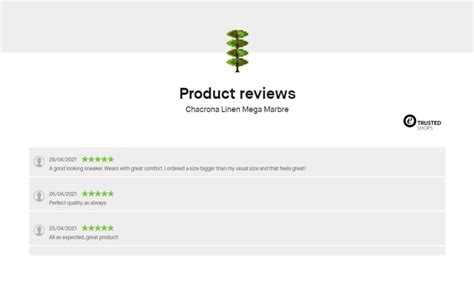
Traditional review systems are often geared towards practicality and performance. A coffee maker either brews well or it doesn’t; a software tool either works efficiently or it lags. But when it comes to a meticulously designed watch, a handcrafted piece of jewelry, or an artisanal home decor item, its value extends far beyond its basic utility. Customers might say “it looks nice,” but this vague appraisal barely scratches the surface of the craftsmanship, the material quality, or the thoughtful design that elevates it to a work of art.
The subjective nature of beauty makes it difficult to standardize feedback. What one person perceives as elegant, another might simply find attractive. Yet, it is precisely this subjective appreciation that brands aspire to evoke and capture. Without specific prompts, reviewers often default to generic praise, leaving potential buyers without the rich, descriptive insights that truly convey a product’s unique charm and sophisticated appeal.
Strategies for Encouraging Deeper Feedback
Targeted Prompts and Questions
One of the most effective ways to elicit more profound reviews is to guide the customer with specific, open-ended questions. Instead of just “Rate your satisfaction,” ask: “What specific design elements delighted you most?” or “How does the product’s finish or texture enhance its overall feel?” Inquiring about packaging, the unboxing experience, or how the product integrates into their personal aesthetic can reveal invaluable insights.
Examples of effective prompts include: “Describe the craftsmanship you observed,” “How does this piece make you feel when you use or display it?”, “What specific details showcase its elegance?” and “How does the material quality stand out?” These questions encourage customers to look beyond the obvious and articulate the subtle qualities that define artistry.

Visual Review Integration
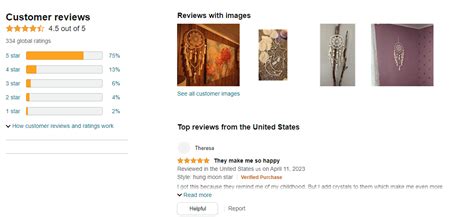
For products where aesthetics are paramount, visuals are indispensable. Actively encourage customers to submit photos and videos alongside their written reviews. A photograph showing a piece of jewelry glinting in natural light, a beautifully arranged decor item in a home setting, or a video showcasing the smooth operation of an elegant mechanism can convey artistry far more effectively than words alone.
Brands can facilitate this by making image and video uploads seamless and by featuring exceptional visual reviews prominently on product pages. Showcasing how others capture and appreciate the product’s beauty inspires prospective buyers and provides tangible evidence of its elegance.

Curated Review Platforms and Communities
Consider moving beyond basic review widgets to platforms that support richer content formats. Dedicated community forums or bespoke review sections on your website can allow for longer-form discussions, multiple image uploads, and even video testimonials. These platforms can foster a sense of community among discerning customers who appreciate and discuss fine details, creating a space where artistry is celebrated.
By investing in a platform that prioritizes comprehensive feedback, brands signal that they value nuanced opinions. This also allows for the easy categorization and display of reviews based on specific aesthetic qualities, helping potential customers find the insights most relevant to their artistic appreciation.

Incentivizing Thoughtful Contributions
To encourage customers to invest time in crafting detailed, insightful reviews, consider offering incentives. This could range from loyalty points and discounts on future purchases to entry into exclusive competitions for the best artistic review. Featuring outstanding reviews on your social media channels or in marketing materials also serves as a powerful incentive, giving recognition to those who articulate the product’s elegance most eloquently.
The key is to reward quality over quantity. Instead of a blanket incentive for any review, focus on those that provide genuine, descriptive feedback on the product’s aesthetic and artistic merits, thereby setting a high standard for review content.

Educating Your Audience
Sometimes, customers simply lack the vocabulary or framework to articulate their appreciation for artistry. Brands can proactively educate their audience through blog posts, product descriptions, and even during the purchase process, highlighting the design philosophy, the materials used, the craftsmanship involved, and the historical or cultural inspirations behind a product.
Providing this context can equip customers with the language and understanding needed to compose reviews that truly reflect the product’s depth and elegance. It transforms a passive consumer into an informed connoisseur, capable of appreciating and articulating the finer points of design and artistry.

The Impact of Reflective Reviews
Reviews that genuinely reflect a product’s artistry and elegance do more than just sell items; they build brand prestige and cultivate a discerning customer base. Such reviews act as authentic testimonials, attracting customers who value quality, design, and sophisticated aesthetics. They provide invaluable qualitative data that can inform future product development, ensuring new creations resonate deeply with the brand’s core values.
Ultimately, by encouraging and capturing this richer form of feedback, brands create a more vibrant, descriptive narrative around their products. This not only elevates the perceived value of their offerings but also fosters a stronger emotional connection between the product, the brand, and the customer, transforming a mere purchase into an appreciation of art.