


How do you consistently produce elegant, high-artistry makeup looks while keeping tutorials actionable?
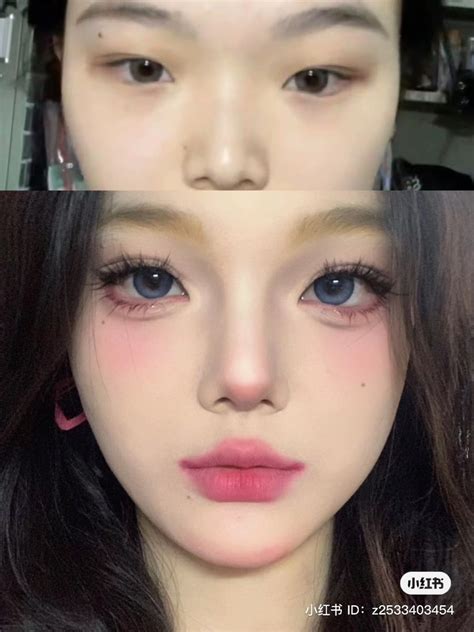
In the vibrant world of beauty, aspiring and professional makeup artists alike often face a fascinating challenge: how to consistently produce breathtaking, high-artistry makeup looks that are not only visually stunning but also translatable into easy-to-follow, actionable tutorials. It’s a delicate balance between unleashing creative genius and providing practical guidance. This article delves into the strategies for bridging that gap, ensuring your tutorials empower others to recreate elegant artistry.
Mastering the Fundamentals: The Bedrock of Artistry
Before any masterpiece can be created, a strong foundation is essential. For high-artistry makeup, this means absolute mastery of fundamental techniques. Perfecting skin preparation, understanding color theory, achieving seamless blending, and ensuring symmetry are non-negotiable. Consistently producing elegant looks stems from an intimate knowledge of how products interact with skin and how light plays with contours. Dedicate time to drilling these basics until they become second nature.
Furthermore, understanding facial anatomy and bone structure is crucial. This knowledge allows an artist to manipulate light and shadow effectively, enhancing features rather than merely covering them. Practice different eye shapes, lip definitions, and contouring techniques on various face types to build versatility and precision.
Deconstructing Artistry: From Inspiration to Instruction
High-artistry makeup often draws inspiration from diverse sources—fashion, fine art, nature, or even abstract concepts. The key to making these complex visions actionable is effective deconstruction. Break down an intricate look into its core components: color palette, texture application, graphic elements, and overall mood. Each component can then be taught as a separate, manageable step within a tutorial.
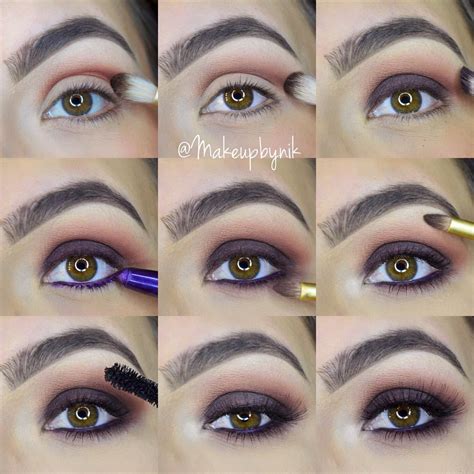
When presenting these concepts, use clear, descriptive language. Instead of saying “apply shadow,” explain “apply a transition shade into the crease using a fluffy blending brush, sweeping back and forth to diffuse the color.” This level of detail transforms an abstract idea into a concrete action.
Crafting Actionable Tutorials: The Educator’s Blueprint
The transition from performing artistry to teaching it requires a shift in perspective. An actionable tutorial prioritizes clarity, conciseness, and repeatability. Start by outlining the goals of the look and the products and tools required. Then, meticulously detail each step, explaining not just what to do, but why you’re doing it. For instance, explaining why a particular brush is chosen for a specific task or why a certain product order is beneficial.
Incorporate alternative techniques or product recommendations for different skill levels or skin types where appropriate. Visual aids are paramount; ensure your demonstrations are well-lit, clearly focused, and show the exact motions and pressure used. Segmenting tutorials into logical chapters or time stamps (for video) further enhances their actionability.
Precision Tools and Optimal Environments
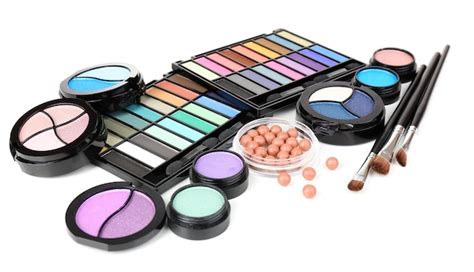
Even the most skilled artist benefits from the right environment and tools. Investing in high-quality brushes, clean sponges, and proper lighting (both for application and filming/photography) can significantly elevate the elegance and precision of your work. Good lighting ensures you can see true colors and subtle blending, while quality tools allow for smoother application and more controlled results.
Furthermore, maintaining an organized workspace reduces distractions and allows for a more fluid creative process. A clean palette and well-maintained tools also contribute to the overall hygiene and professionalism of your artistry.
The Art of Refinement and Customization
True artistry isn’t about replication; it’s about adaptation and personalization. Elegant looks often appear effortless because they are tailored to the individual. In your tutorials, emphasize how viewers can customize elements like eyeliner thickness, contour intensity, or lip color to suit their unique features and preferences. Encourage experimentation while providing guiding principles.
Refinement also involves knowing when to stop. Overworking a look can detract from its elegance. Teach the importance of stepping back, assessing the overall balance, and making subtle adjustments rather than adding more product.

Consistency Through Practice, Feedback, and Growth
Consistently producing high-artistry looks and actionable tutorials is an ongoing journey. Regular practice, even on days without a specific project, hones muscle memory and creative intuition. Seeking constructive feedback from peers or mentors is invaluable for identifying blind spots and refining techniques. Actively engage with your audience to understand their learning needs and challenges, which can inform your tutorial content.
Stay updated with new products, techniques, and trends, but always filter them through your foundational knowledge and artistic vision. This continuous learning cycle ensures your artistry evolves while remaining grounded in elegance and precision, making your tutorials not just beautiful, but truly empowering.
Conclusion
Balancing high-artistry with actionable instruction is a hallmark of a truly skilled beauty educator. It requires a deep understanding of makeup fundamentals, a talent for deconstructing complex aesthetics, and a commitment to clear, empathetic communication. By embracing these principles, you can consistently inspire and equip your audience to create their own elegant, artistic makeup looks, transforming complex concepts into achievable beauty realities.