

How do you customize workshop techniques for your unique features?

In a world brimming with beauty trends and generic makeup tutorials, it’s easy to feel lost trying to replicate looks that don’t quite suit you. Standard makeup workshop techniques often teach universal principles, but true beauty mastery lies in the art of customization. Your face is a unique canvas, and understanding how to adapt these techniques to your specific features is the key to unlocking your most flattering and authentic self. This article will guide you through the process of personalizing your makeup approach, transforming general advice into tailored strategies that celebrate your individuality.
The Foundation of Customization: Knowing Your Features
Before you can tailor any technique, you must first understand the unique landscape of your face. This goes beyond simply identifying your skin tone; it involves a deeper dive into your facial structure, symmetry, and distinct characteristics. Take the time to genuinely observe yourself in the mirror, free from judgment.
Analyzing Face Shape and Structure
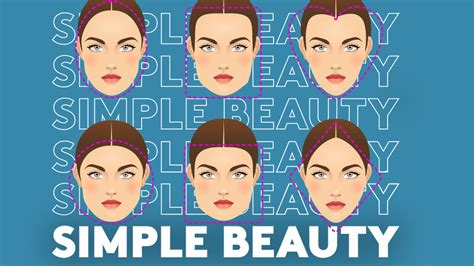
Your face shape dictates where light naturally hits and where shadows might be beneficial. Common shapes include oval, round, square, heart, and long. Learning which category you fall into (or if you’re a combination) is crucial for contouring, highlighting, and even blush placement. Pay attention to your jawline, forehead width, and the widest part of your face.
Decoding Eye and Brow Dynamics
Eyes come in an incredible variety of shapes: almond, round, hooded, monolid, downturned, upturned, deep-set, or prominent. Each shape benefits from specific liner applications, shadow placements, and lash techniques. Similarly, your natural brow shape and growth pattern significantly influence the overall frame of your eyes and face. Customizing brow techniques can dramatically alter your expression.
Assessing Lip Shape and Fullness
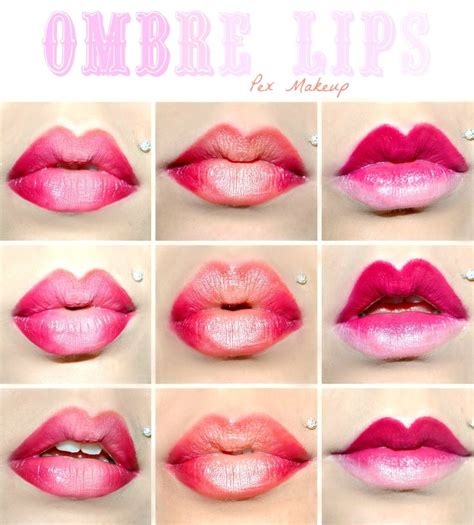
Whether you have naturally full, thin, or asymmetrical lips, there are techniques to enhance, balance, or subtly reshape them. Understanding your natural lip line and proportion will help you choose the right application methods for lip liner and lipstick.
Understanding Skin Tone, Undertone, and Texture
Beyond features, your skin itself is a unique identifier. Knowing your skin’s surface tone (light, medium, deep), undertone (warm, cool, neutral, olive), and texture (oily, dry, combination, mature, acne-prone) is paramount for selecting the right foundation, concealer, and color palette. This knowledge ensures your makeup looks seamless and enhances your natural complexion, rather than clashing with it.
Adapting Workshop Techniques for a Bespoke Look
Once you’ve cataloged your unique features, it’s time to translate that knowledge into actionable makeup strategies. Here’s how to customize common workshop techniques:
Foundation and Concealer: The Personalized Base
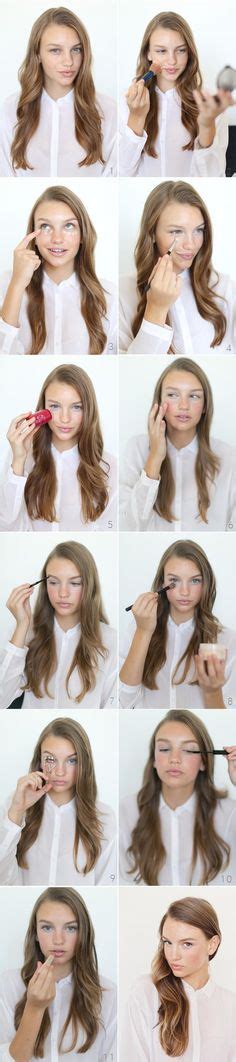
Instead of applying foundation uniformly, focus on areas that need the most coverage, then blend outwards. For unique skin textures or problem areas, use targeted spot concealing. Choose shades based on your undertone, not just surface color, and consider different formulas for various parts of your face if you have combination skin (e.g., matte on the T-zone, hydrating on cheeks).
Contouring and Highlighting: Sculpting for Your Shape
Generic contour maps rarely work for everyone. For a round face, contour along the temples and under the cheekbones to create definition. For a long face, contour near the hairline and chin to shorten the appearance. Highlight based on where light naturally hits your specific facial planes, emphasizing your unique high points rather than following a one-size-fits-all diagram.
Eye Makeup: Enhancing Your Gaze
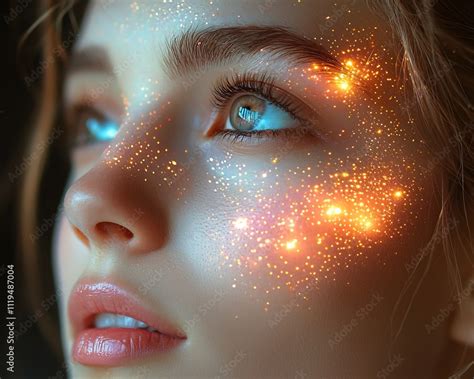
If you have hooded eyes, focus on extending shadows above the crease and using lighter shimmers on the mobile lid to bring it forward. For downturned eyes, a lifted winged liner can create an upward illusion. Monolids benefit from strategically placed shimmer and gradient blending. Always work with your natural eye shape, rather than against it, to make them truly pop.
Lip Techniques: Balancing and Defining
For thin lips, a nude or slightly lighter lip liner can be used just outside the natural lip line, followed by a lighter-toned lipstick and a touch of gloss in the center. If you have full lips, you might focus on precise definition and experimenting with bolder colors. For asymmetrical lips, use liner to create symmetry before applying color.
Color Theory: Harmonizing with Your Complexion
Workshop color theory often covers basics, but customizing it means choosing shades that complement your specific skin undertone and eye color. Cool undertones often shine in blues, purples, and cool reds, while warm undertones glow in peaches, golds, and warm browns. Experiment with colors that make your eyes sparkle and your complexion look vibrant.
Putting Customization into Practice
The journey to personalized makeup is an ongoing one. Here are practical steps to integrate customization into your beauty routine:
- Self-Assessment & Documentation: Regularly examine your features. Take photos in different lighting to observe nuances.
- Experimentation & Play: Don’t be afraid to deviate from the rules. Try different placements, colors, and techniques. What works for one person might not work for you, and vice versa.
- Seek Personalized Guidance: While workshops provide a great foundation, consider a one-on-one consultation with a makeup artist who specializes in personalized techniques. They can offer invaluable insights into your unique features.
- Analyze & Adjust: After applying makeup, step back and analyze. Does it enhance your features? Does it feel comfortable and authentic? Make small adjustments based on your observations.
- Embrace Your Uniqueness: The goal isn’t to erase or change your features, but to celebrate and enhance them. Your unique qualities are what make you beautiful.
Conclusion
Customizing makeup workshop techniques is about moving beyond generic applications to embrace and highlight your individual beauty. By truly understanding your unique facial features, skin tone, and personal style, you can transform standard advice into a bespoke beauty regimen that empowers you. Remember, makeup is an art form, and your face is your masterpiece. Experiment, learn, and most importantly, enjoy the process of discovering what makes you look and feel your absolute best.