


How do you simplify advanced artistry techniques for elegant, actionable tutorials?
In the vibrant world of beauty artistry, the allure of advanced techniques – from intricate cut creases to dramatic avant-garde looks – is undeniable. However, for many aspiring artists and beauty enthusiasts, these seemingly complex methods can feel intimidating and out of reach. The challenge for beauty educators and content creators lies in transforming these sophisticated skills into elegant, actionable tutorials that empower rather than overwhelm.
Understanding Your Audience and Their Starting Point
The first step in simplifying advanced artistry is to truly understand who you’re speaking to. Is your audience beginner, intermediate, or already quite skilled? Tailoring your language, pace, and depth of explanation is crucial. For beginners, even seemingly basic concepts might need thorough clarification, while intermediates might only need a nudge in the right direction. Always assume a foundational knowledge level slightly below what you expect, ensuring no one is left behind.
Deconstructing Complexity: Breaking It Down
Advanced techniques are often a mosaic of several simpler steps combined. The key to simplification is to meticulously deconstruct these larger processes into their constituent parts. Identify the core principles at play – whether it’s understanding color theory for a vibrant blend or mastering brush angles for a precise line. Once broken down, each individual skill can be taught and practiced independently before being reassembled into the complete look.
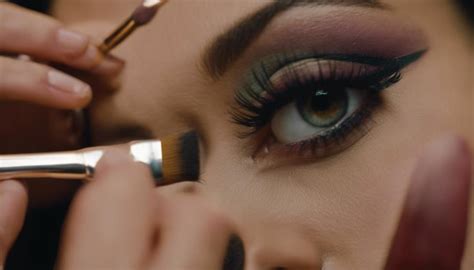
For example, a smoky eye isn’t just “blending dark shadow.” It involves understanding transition shades, placement, brush pressure, and layering. Each of these can be a mini-lesson on its own.
Visual Clarity and Concise Communication
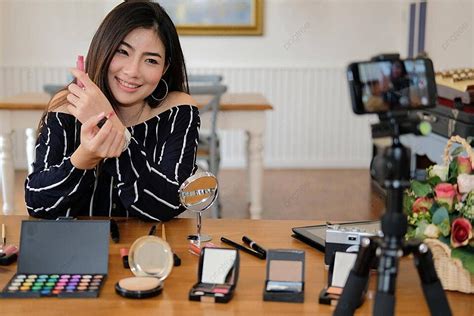
Beauty tutorials are inherently visual. High-quality, well-lit visuals are non-negotiable, but true simplification goes beyond aesthetics. It involves crystal-clear verbal and written communication. Use simple, direct language, avoiding jargon where possible or explaining it thoroughly if necessary. Employ analogies to relate complex concepts to everyday experiences. “Think of blending like buffing a car to a high shine” is more accessible than a purely technical explanation.
Focus on the “why” as much as the “how.” Explaining why a certain technique is performed in a particular way (e.g., why you tap off excess product) provides deeper understanding and retention, making the tutorial more impactful and actionable.
Building Proficiency Through Progressive Practice
An actionable tutorial doesn’t just show; it guides the learner to do. Design your tutorials with progression in mind. Start with the most basic version of a technique, then introduce nuances and advanced variations. Offer exercises or challenges that allow viewers to practice the individual skills you’ve taught. For example, “Practice drawing a clean winged liner five times on each eye without product before applying actual liner.”
Provide common troubleshooting tips. What are the typical mistakes or hurdles viewers might encounter? Addressing these preemptively adds immense value and prevents frustration, making the learning process smoother and more encouraging.
The Essence of Actionability: From Theory to Application
What makes a tutorial truly “actionable”? It’s the ease with which a viewer can take the information and apply it immediately and successfully. This involves:
- Clear Product Recommendations: If specific products are crucial, suggest alternatives or explain properties to look for.
- Time-Saving Hacks: Incorporate tips to make the process quicker or more efficient for everyday application.
- “Before & After” Context: Show the tangible impact of the technique, perhaps with different skin tones or eye shapes to demonstrate versatility.
- Common Scenarios: Frame the technique within practical scenarios, e.g., “how to do a soft glam cut crease for a night out.”
Encourage experimentation. Remind your audience that artistry is personal and that techniques are a foundation upon which they can build their unique style.
Empowering Your Audience Through Simplified Artistry
Ultimately, simplifying advanced artistry techniques is about empowerment. It’s about demystifying the ‘magic’ behind stunning looks and equipping individuals with the knowledge and confidence to create them themselves. By breaking down complexity, fostering clear communication, encouraging progressive practice, and focusing on real-world applicability, you transform potential frustration into genuine achievement. Your elegant, actionable tutorials become more than just instructions; they become stepping stones to artistic self-expression for your audience.