



How does a pro artist’s portfolio elevate artistry through elegant presentation for maximum impact?

For a professional artist, a portfolio is far more than just a collection of work; it is a meticulously crafted statement, a visual resume, and a powerful marketing tool. The manner in which this body of work is presented can dramatically amplify its perceived value and impact, distinguishing a serious professional from an amateur. Elegant presentation is not merely about aesthetics; it is a strategic decision that speaks volumes about an artist’s professionalism, attention to detail, and respect for their craft and their audience.
Beyond the Artwork: The Power of Presentation
The first impression an artist makes often comes through their portfolio. While the quality of the artwork itself is paramount, its presentation dictates how that quality is perceived. A disorganized, poorly lit, or carelessly displayed collection can diminish even the most brilliant pieces, suggesting a lack of professionalism on the artist’s part. Conversely, an impeccably presented portfolio elevates the art, allowing its inherent beauty and skill to shine through unimpeded.
Elegant presentation acts as a frame, enhancing the artwork without distracting from it. It signals to gallerists, clients, and collaborators that the artist is serious, organized, and capable of delivering high-quality results consistently. This level of intentionality builds trust and credibility, crucial elements for any successful artistic career.

The Pillars of an Elegant Portfolio
Meticulous Curation
True elegance begins with ruthless curation. A professional portfolio is not a dumping ground for every piece ever created. Instead, it is a thoughtfully selected collection of an artist’s strongest, most relevant, and most cohesive works. Each piece should serve a purpose, contributing to a clear narrative about the artist’s style, skill set, and artistic vision. Quality over quantity is the unwavering mantra.
Artists should choose pieces that align with their career goals and the specific opportunities they are pursuing. A portfolio for a gallery show might differ from one presented to an advertising agency. Understanding the target audience and tailoring the selection accordingly is a hallmark of sophisticated presentation.
Impeccable Quality and Detail
Every element within the portfolio must be of the highest quality. This means professional-grade photography of physical artworks, high-resolution digital files, and consistent lighting and color correction. For physical portfolios, this extends to premium printing, durable binding, and a sophisticated tactile experience. For digital portfolios, a clean, responsive website design with intuitive navigation is essential.
Attention to detail extends to the smallest elements: consistent typography, clear captions, concise artist statements, and perfectly aligned layouts. These subtle cues collectively convey a profound respect for the work and the viewer, reinforcing the artist’s professionalism.
Crafting a Compelling Narrative and Visual Flow
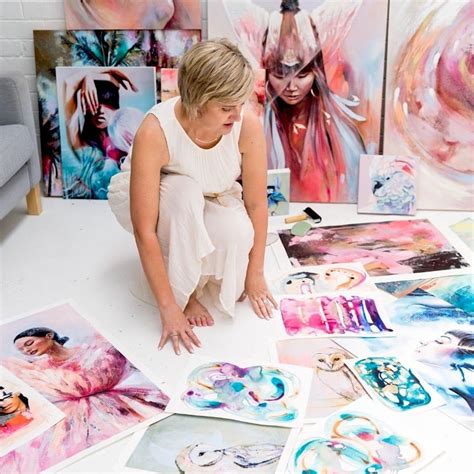
An elegant portfolio tells a story. The arrangement of pieces should guide the viewer through a coherent journey, showcasing the evolution of the artist’s skill, themes, or mediums. This narrative can highlight a particular strength, demonstrate versatility, or reveal a consistent artistic voice. A well-structured flow prevents the portfolio from feeling like a random assortment of images, instead presenting it as a curated exhibition.
Visual consistency in style, color palette, or thematic elements throughout the portfolio creates a cohesive and memorable experience. Design principles like balance, rhythm, and emphasis should be consciously applied to the layout. The goal is to create a seamless visual experience where each piece flows naturally into the next, building momentum and engagement.
Digital vs. Physical Portfolios: Mastering Each Medium
The Digital Showcase
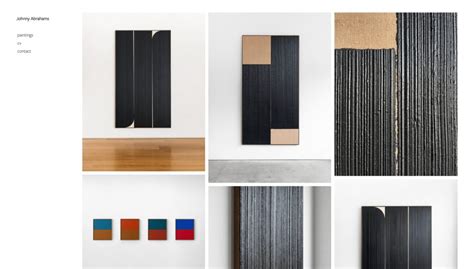
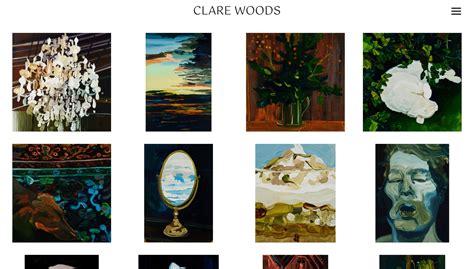
In today’s interconnected world, a digital portfolio is indispensable. Elegant digital presentation means a professional, custom-designed website or a well-structured online platform that is user-friendly, fast-loading, and mobile-responsive. High-quality images are crucial, as is clear contact information and easy navigation. Digital elegance also involves concise, impactful text that complements the visuals without overwhelming them.
The Tangible Touch
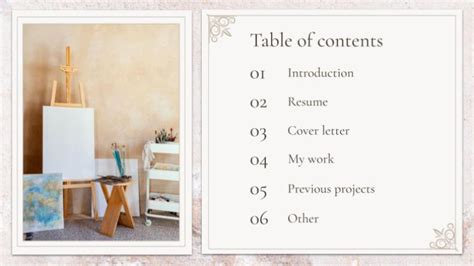
While digital portfolios offer reach, a physical portfolio retains its unique power, especially for in-person meetings. Elegant physical presentation involves high-quality prints, a sophisticated binder or presentation box, and a considered layout that allows for a personal, tactile experience. The weight of the paper, the vibrancy of the inks, and the overall craftsmanship of a physical portfolio can leave a profound and lasting impression that digital formats sometimes struggle to replicate.

The Unseen Impact: Building Trust and Opportunity
The ultimate goal of an elegantly presented portfolio is to achieve maximum impact, which translates into tangible opportunities for the artist. Such a portfolio doesn’t just display art; it communicates competence, dedication, and a deep understanding of the professional art world. It signals that the artist takes their career seriously, which in turn encourages others to take the artist seriously.
This elevated presentation can be the decisive factor in securing gallery representation, winning commissions, attracting collectors, or forging valuable collaborations. It transforms the act of viewing art into an experience, positioning the artist as a valued professional rather than just a talented individual. The elegance of the presentation reflects the perceived value of the artistry itself, opening doors that might otherwise remain closed.

Conclusion
An artist’s portfolio is a powerful extension of their creative identity. When presented with elegance and precision, it transcends a mere collection of works to become a compelling testament to their artistry and professionalism. By meticulously curating content, ensuring impeccable quality, crafting a strong narrative, and mastering the nuances of both digital and physical presentation, artists can elevate their work, command attention, and unlock a wealth of opportunities, ultimately achieving maximum impact in a competitive creative landscape. Elegant presentation is not an afterthought; it is an integral component of artistic success.