



How should Pro Artist Portfolios curate works for enhanced artistry & defined elegance?
Crafting a Cohesive Artistic Narrative
For professional artists, a portfolio serves as the ultimate calling card, a visual manifesto that speaks volumes about their craft, vision, and professionalism. It’s not merely a compilation of works but a carefully constructed narrative, a curated journey intended to leave a lasting impression of enhanced artistry and undeniable elegance. The distinction between a haphazard collection and a sophisticated portfolio lies in strategic curation, thoughtful presentation, and a deep understanding of one’s artistic brand.
Defining Your Unique Artistic Identity
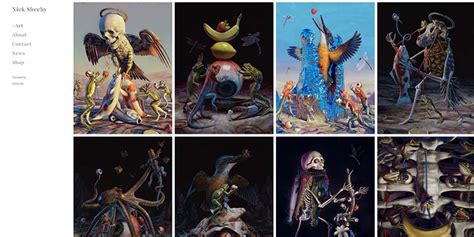
Before selecting a single piece, an artist must possess a clear understanding of their unique artistic identity. What themes consistently resonate in your work? What specific techniques or mediums define your signature style? What message or emotion do you wish to evoke? A portfolio should tell a cohesive story about who you are as an artist, demonstrating a consistent voice and aesthetic. This self-awareness forms the foundation for all subsequent curation decisions, ensuring that every piece contributes to a unified and compelling artistic statement.
The Principle of “Less is More”: Strategic Selection
One of the most common pitfalls in portfolio creation is the temptation to include too many works. Professional curation adheres strictly to the “less is more” philosophy. Instead of quantity, prioritize quality and impact. Select only your strongest, most representative pieces that exemplify your best work and align with your artistic identity. Each chosen artwork should serve a purpose, demonstrating mastery, innovation, or a significant development in your practice. Remove any pieces that don’t meet these high standards, even if they hold sentimental value. The goal is to present a focused, powerful collection that highlights your capabilities without overwhelming the viewer.
The Art of Thematic Grouping and Flow
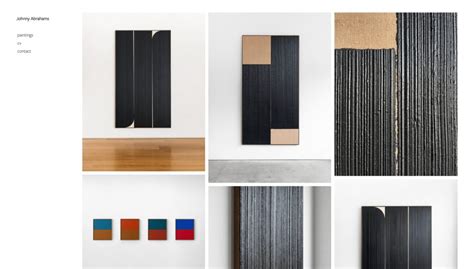
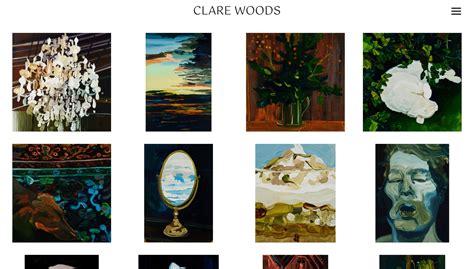
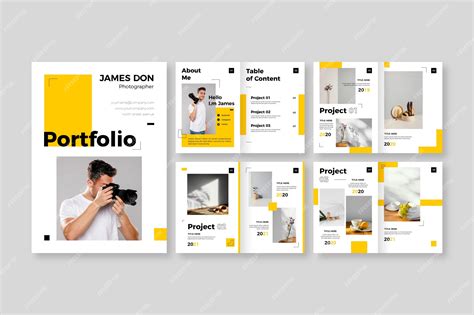
Once you’ve narrowed down your selection, consider how these works will be presented together to create a harmonious flow. Thematic grouping, chronological order, or a progression of styles can guide the viewer through your portfolio. Think about the visual rhythm and pacing. Does one piece naturally lead into the next? Are there jarring transitions, or do the works build upon each other, revealing layers of your artistic exploration? A well-orchestrated sequence enhances the overall elegance and professionalism, demonstrating an intentional approach to your artistic narrative.

Showcasing Versatility While Maintaining Focus
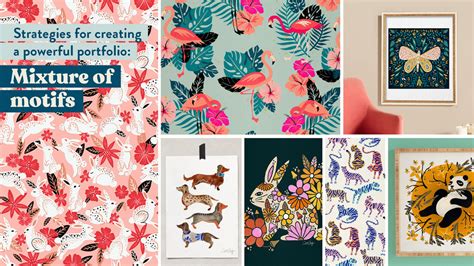
While coherence is paramount, a professional portfolio can also judiciously showcase versatility. If your practice spans different mediums or styles, select a few exemplary pieces from each area, ensuring they still speak to your core artistic voice. The key is to demonstrate range without appearing unfocused or experimental. For instance, if you work in both painting and sculpture, choose pieces that reflect a similar conceptual underpinning or aesthetic sensibility. This approach proves your adaptability and skill across disciplines while reinforcing your overarching artistic brand.
Impeccable Presentation: Photography and Documentation
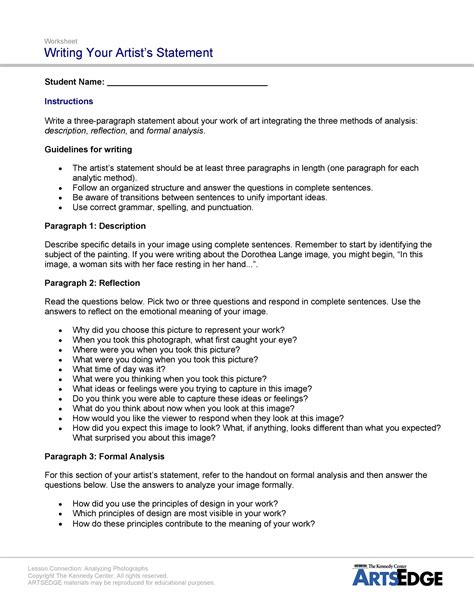
The visual quality of your portfolio images is as crucial as the artwork itself. Professional photography of your pieces is non-negotiable. Ensure consistent lighting, neutral backgrounds, accurate color representation, and high resolution. Blurry, poorly lit, or inconsistently photographed images detract significantly from the perceived quality and elegance of your work. Beyond imagery, meticulous documentation is vital. Each piece should be accompanied by concise, accurate information: title, medium, dimensions, and year of creation. An artist statement and brief descriptions for key works can provide valuable context, deepening the viewer’s appreciation and understanding.

Context and Narrative: The Power of Supporting Text
A portfolio is greatly enhanced by well-crafted supporting text. A compelling artist statement (typically 150-250 words) should articulate your artistic philosophy, influences, and the core ideas driving your practice. For individual pieces, a brief, insightful description (50-100 words) can provide context about your inspiration, process, or conceptual intent without over-explaining. Including a concise CV with relevant exhibitions, awards, education, and press mentions further establishes your professional standing and credibility, adding another layer of elegance to your presentation.
Regular Review and Refinement: A Living Document
A professional artist portfolio is not a static entity; it’s a living document that requires periodic review and refinement. As your artistic practice evolves, so too should your portfolio. Regularly revisit your selection, removing older works that no longer represent your current artistic trajectory and integrating new, stronger pieces. Seek feedback from trusted mentors, peers, or gallerists to gain fresh perspectives. This continuous process of critical evaluation ensures your portfolio remains a current, vibrant, and impactful representation of your enhanced artistry and defined elegance.
Ultimately, curating a professional artist portfolio is an art in itself. It demands self-reflection, strategic thinking, meticulous attention to detail, and an unwavering commitment to quality. By consciously crafting a coherent narrative, making discerning selections, ensuring impeccable presentation, and continually refining its contents, artists can create a portfolio that not only showcases their extraordinary talent but also embodies the very essence of enhanced artistry and undeniable elegance.