


How to adapt tutorial techniques for my face, ensuring consistent elegant artistry?

Unlock Your Unique Beauty: Adapting Makeup Tutorials for Your Face
Generic makeup tutorials offer a fantastic starting point, inspiring countless looks and teaching fundamental techniques. However, what looks stunning on a beauty influencer with a different face shape, eye type, or skin tone might not translate perfectly to your unique canvas. The true art of makeup lies not in replication, but in intelligent adaptation. This guide will walk you through the process of tailoring tutorial techniques to your specific features, ensuring every application results in consistent, elegant artistry that truly enhances your individual beauty.
The Foundation: Understanding Your Unique Canvas
Before you can adapt, you must first understand. Take a moment to analyze your own features. This isn’t about finding flaws, but about recognizing your distinct characteristics. Stand in front of a mirror with good lighting and objectively assess:
- Face Shape: Is it oval, round, square, heart, long, or diamond? This influences contour, blush, and highlight placement.
- Eye Shape: Do you have almond, round, hooded, monolid, upturned, or downturned eyes? This dictates eyeliner style, eyeshadow application, and lash placement.
- Lip Shape: Are your lips full, thin, asymmetrical, or have a prominent Cupid’s bow?
- Skin Tone & Undertone: Knowing whether you’re warm, cool, or neutral is crucial for selecting foundation, concealer, and color palettes.
- Skin Texture & Concerns: Oily, dry, combination? Fine lines, acne, hyperpigmentation? This affects product choice and application technique.
Deconstructing Tutorials: Beyond the Mirror Image
When watching a tutorial, don’t just mimic. Instead, try to understand the purpose behind each step. Ask yourself:
- What is this technique trying to achieve? Is it to create depth, lift, brighten, widen, or define?
- Why is the product applied in that specific area? Is it to enhance a natural shadow, catch light, or create an illusion?
- What type of product is being used (texture, finish, intensity)? And how might that need to change for your skin type?
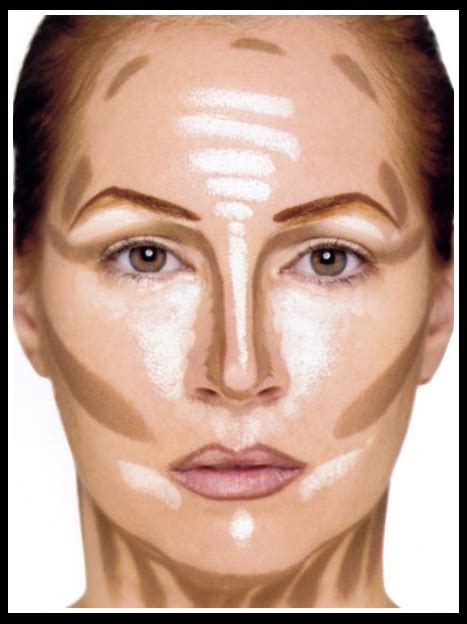
For example, if a tutorial applies contour under the cheekbones to create a shadow, identify where your natural shadow would fall, or where you want to create the illusion of one, rather than rigidly following the placement on someone else’s face.
Practical Adaptation Strategies for Elegant Artistry
Adapting for Face Shape
If a tutorial contours the hollows of the cheeks, and you have a round face, you might extend that contour slightly further towards the mouth to create more definition. For a long face, you might add contour to the forehead and chin to visually shorten it. Blush placement also shifts dramatically – higher on the cheekbones for lift, or more centered for widening.
Adapting for Eye Shape
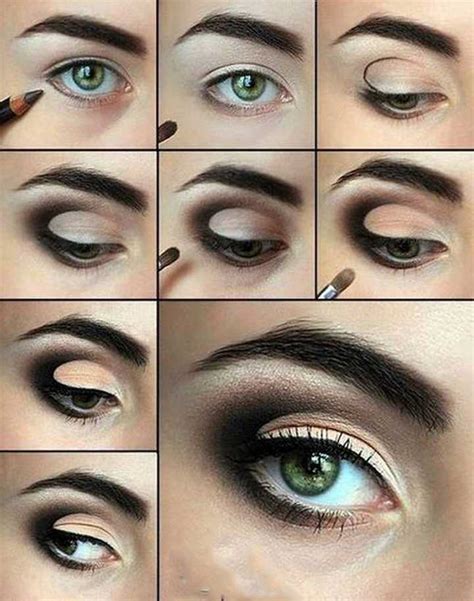
Hooded eyes often benefit from eyeshadow placed slightly above the natural crease, extending into the hood, to create the illusion of a larger lid space. For downturned eyes, a winged liner should be lifted at the outer corner to create an upward pull. Monolids might focus on creating gradient depth and subtle liner along the lash line rather than thick wings. Always remember the goal: enhance, lift, define, or open up your specific eye shape.
Adapting for Lip Shape
If a tutorial over-lines for volume, and you have naturally full lips, you might only line the very edge or even just the Cupid’s bow for definition. For thinner lips, strategic over-lining and a touch of gloss in the center can create the desired plumping effect. Asymmetry can be corrected by carefully building up one side to match the other.
Adapting for Skin Tone & Texture
Product shades are paramount. Always swatch foundation and concealer on your jawline in natural light. For eyeshadows and blushes, understand how colors appear on your undertone – a warm peach blush might look vibrant on cool skin, but more natural on warm skin. If you have textured skin, avoid shimmery products in areas you want to smooth out, and opt for finely milled powders. For dry skin, lean into cream products; for oily skin, focus on mattifying primers and setting powders.
Cultivating Consistent Elegance Through Practice
Adaptation isn’t a one-time fix; it’s an ongoing process of experimentation and refinement. Don’t be afraid to try different placements, intensities, and product types. Keep a beauty journal or take photos of what works best for you. Note down specific product combinations, brush types, and application methods that yield the most flattering and elegant results.
Consistency comes from practice and understanding the ‘why’ behind your choices. As you become more attuned to your own features, adapting any new trend or technique will become intuitive. You’ll move beyond blindly following instructions to becoming your own best makeup artist, consistently creating looks that are not just beautiful, but uniquely and elegantly yours.