


How to arrange your Pro Artist Portfolio for maximum elegance and sophisticated visual impact?

Beyond the Brushstroke: Crafting Your Masterpiece Portfolio
In the competitive world of art, your portfolio isn’t just a collection of your work; it’s a meticulously curated narrative, a visual symphony designed to captivate, impress, and ultimately, speak volumes about your artistic vision. A portfolio that exudes elegance and sophisticated visual impact can be the decisive factor in securing opportunities, attracting collectors, and defining your professional identity. It’s about presenting your artistry not just as talent, but as a refined professional offering.
The Art of Selection: Quality Over Quantity
The first and most crucial step is ruthless curation. A sophisticated portfolio prioritizes quality over sheer volume. Select only your strongest, most cohesive pieces that best represent your current style, skill set, and artistic direction. Aim for 10-20 exceptional works rather than 50 mediocre ones. Each piece should serve a purpose, contributing to a unified narrative that showcases your best self.
Weaving Your Narrative Thread
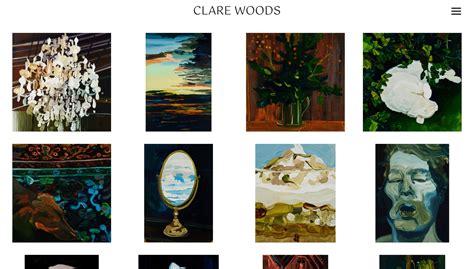
Beyond individual pieces, consider the story your portfolio tells as a whole. Arrange your works thoughtfully to create a flow. This might be chronological, thematic, or based on a progression of ideas. Think about how one piece leads to the next, building anticipation and revealing the depth of your artistic journey. A cohesive narrative demonstrates intentionality and maturity.

Harmonizing Elements: Design for Impact
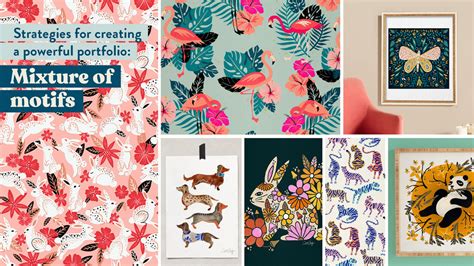
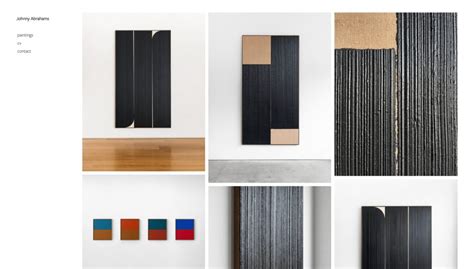
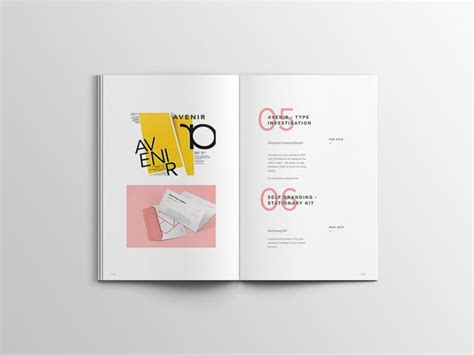
Visual impact isn’t solely about the art itself; it’s profoundly influenced by its presentation. Whether digital or physical, your portfolio’s layout, typography, and use of space are critical. Embrace minimalism and whitespace; they allow your artwork to breathe and command attention, signaling confidence and sophistication. Avoid cluttered pages or distracting backgrounds.
Consistency is Key
Maintain a consistent aesthetic throughout your portfolio. This includes image quality, lighting (if photographs of physical art), framing (for physical portfolios), and even the font choices for text elements like titles and descriptions. Consistency conveys professionalism and a discerning eye for detail.
Capturing Your Masterpieces: Photography and Reproduction
For both digital and physical portfolios, the quality of your artwork’s documentation is paramount. Invest in professional photography or learn to photograph your work impeccably. Ensure accurate color representation, sharp focus, and optimal lighting. Poorly documented art diminishes even the most brilliant creations.
Detailed Descriptions and Context
Each piece should be accompanied by concise yet informative details: title, medium, dimensions, and year completed. Optionally, a brief artist statement for individual works can provide context and deepen understanding, but keep it succinct. The written elements should complement, not overshadow, the visual art.

Framing Your Identity: Beyond the Artworks
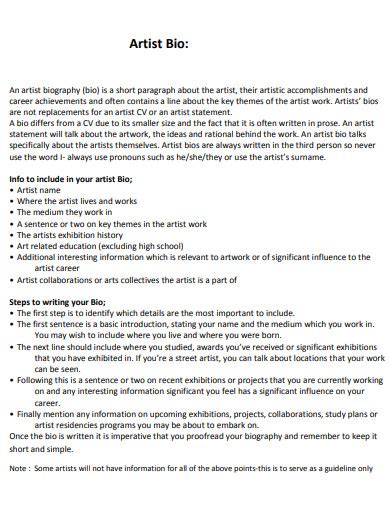
An elegant portfolio extends beyond just the images. Include a compelling artist statement that articulates your vision, influences, and thematic concerns. Craft a concise, professional artist bio that highlights your relevant background, achievements, and aspirations. These textual elements should resonate with the visual experience, adding depth and authenticity.
Effortless Engagement: Contact Information
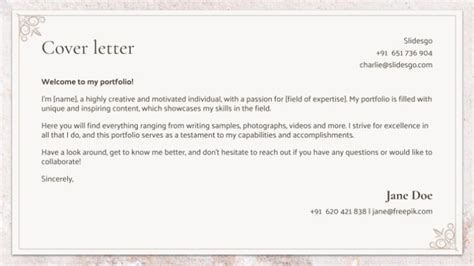
Ensure your contact information is readily accessible and clearly presented. Include your name, email, website (if applicable), and perhaps social media handles relevant to your art. Make it easy for interested parties to reach out to you.
The Lasting Impression: Polishing Your Presentation
Ultimately, a sophisticated artist portfolio is a testament to your professionalism as much as your talent. It’s a carefully orchestrated presentation designed to leave a memorable and impactful impression. By focusing on meticulous curation, elegant design, high-quality documentation, and cohesive storytelling, you transform your collection of works into a powerful instrument of artistic communication, opening doors and elevating your standing in the art world.