


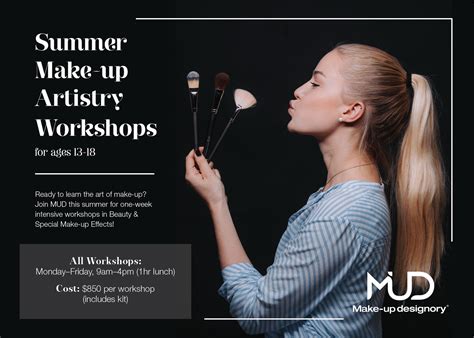
How to break down complex artistry techniques elegantly for blog tutorials?

Making the Intricate Accessible: Why Simplicity Sells in Beauty Tutorials
As a beauty blogger, you’re often tasked with transforming elaborate artistry techniques into digestible, actionable content for your audience. Whether it’s a complicated cut crease, an advanced contouring method, or an intricate nail art design, the challenge lies in breaking down these complex processes without oversimplifying or losing the essence of the art. The goal is to empower your readers to recreate stunning looks, not intimidate them with overwhelming detail. Elegance in tutorial design isn’t just about aesthetics; it’s about clarity, progression, and fostering confidence in your audience.
Know Your Audience: Tailoring Your Approach
Before you even begin drafting your tutorial, take a moment to consider who you’re speaking to. Are they beginners eager for foundational knowledge, or seasoned enthusiasts looking to refine their skills? Understanding your audience’s current skill level and common pain points will dictate the depth of your explanations, the vocabulary you use, and the pace of your tutorial. A beginner might need extensive background information on tools and products, while an intermediate audience might only require a quick refresh. Tailoring your content ensures relevance and prevents both boredom and confusion.

Deconstruct and Conquer: The Step-by-Step Method
The core of breaking down complexity lies in methodical deconstruction. Identify the absolute smallest, most fundamental steps within a larger technique. For instance, a ‘smokey eye’ isn’t one step; it’s layering eyeshadow, blending, liner application, and mascara. Each of these can be further broken down. List these micro-steps sequentially, ensuring a logical flow from one to the next. Think of it like building blocks: readers must master one block before moving to the next. Clearly label each step, perhaps with numbered headings or bullet points, to guide them visually and practically through the process.
Visuals Are Your Best Friends (Even When Explaining Them)
In beauty tutorials, a picture is truly worth a thousand words. High-quality, clear images or diagrams are indispensable for illustrating complex techniques. Each step you describe verbally should ideally be accompanied by a corresponding visual. Focus on close-up shots that highlight the exact placement of products, the angle of a brush, or the specific hand movement required. Annotate images with arrows or circles to draw attention to crucial details. If the technique involves motion, consider a short GIF or a clear sequence of still images to convey the dynamism.

Language That Illuminates, Not Confuses
Your language plays a critical role in how elegantly a complex technique is perceived. Avoid jargon wherever possible, or if you must use it, provide a concise explanation. Opt for clear, concise sentences. Use active voice to give direct instructions. Employ analogies that relate the technique to something familiar to help readers grasp abstract concepts. For example, describing blending as ‘buffing away harsh lines like erasing pencil marks’ can make a complex action more intuitive. The goal is to make your readers feel guided, not talked down to.
Practice, Patience, and Troubleshooting
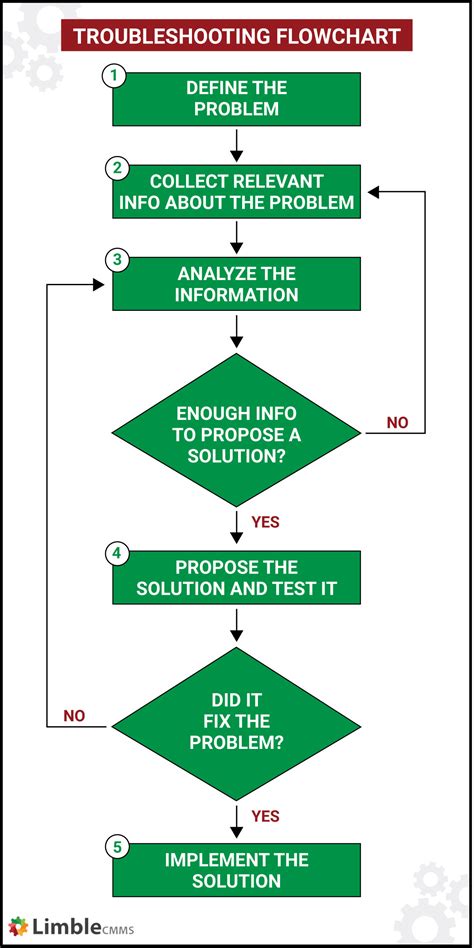
Complex artistry techniques often require practice. Encourage your readers to be patient with themselves and provide tips on how to practice effectively. Beyond just the steps, consider dedicating a section to common pitfalls or troubleshooting. What typically goes wrong when attempting this technique? How can it be fixed? Providing solutions to anticipated problems builds confidence and demonstrates a thorough understanding of the challenges your audience might face. This forethought transforms your tutorial from a mere instruction set into a supportive learning experience.
The Power of a Strong Introduction and Conclusion
Every elegant tutorial starts with an engaging introduction that sets expectations and highlights the benefits of learning the technique. Clearly state what the reader will achieve by the end. The conclusion should summarize the key takeaways, offer encouragement, and perhaps suggest next steps or complementary techniques. This provides a satisfying closure and leaves the reader feeling accomplished and motivated. A well-structured intro and outro frame your detailed instructions beautifully, enhancing the overall learning journey.
Breaking down complex artistry techniques elegantly for your blog tutorials is an art in itself. It requires empathy for your audience, meticulous planning, clear communication, and thoughtful presentation. By focusing on deconstruction, visual aids, accessible language, and supportive guidance, you can transform daunting beauty challenges into achievable, enjoyable learning experiences, cementing your blog as a go-to resource for beauty education.