



How to choose Pro Artist Portfolio pieces for refined elegance & enhanced impact?

Crafting an Unforgettable Artist Portfolio
Your professional artist portfolio is more than just a collection of your work; it’s a meticulously curated narrative that speaks volumes about your artistic vision, skill, and professionalism. In a competitive creative landscape, the right selection of pieces can elevate your presentation from merely good to truly unforgettable, demonstrating refined elegance and ensuring maximum impact on discerning viewers.
Choosing what to include and, just as importantly, what to leave out, is a strategic decision that requires introspection, an understanding of your target audience, and an objective eye. This guide will walk you through the essential considerations to refine your portfolio to reflect the sophistication and power of your artistry.
1. Quality Over Quantity: The Golden Rule of Curation
The most common mistake artists make is including too many pieces. Resist the urge to showcase every single creation. Instead, focus on your absolute strongest, most representative works. A portfolio of 10-15 exceptional pieces will always leave a better impression than one with 30-50 average ones. Each piece should be able to stand on its own, demonstrating technical prowess, conceptual strength, and aesthetic appeal.
When evaluating pieces, ask yourself: Does this piece truly represent my best work? Does it align with my current artistic direction? Does it resonate with the type of opportunities I am seeking? Be ruthless in your selection process; every piece must earn its place.

2. Cohesion and Narrative: Tell a Visual Story
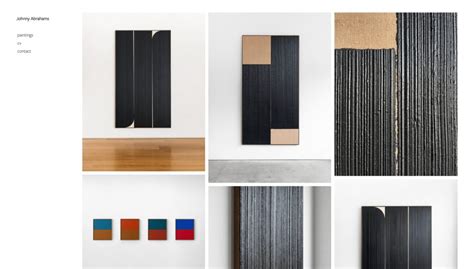
While showcasing your best individual pieces is crucial, an impactful portfolio also tells a story. Look for thematic connections, stylistic consistency, or a clear progression in your work. A cohesive portfolio demonstrates that you have a distinct voice and vision, not just a random assortment of art.
Consider the flow from one piece to the next. Do they complement each other? Do they build a narrative about your artistic journey or your areas of specialization? Even if you work in multiple styles or mediums, strive for a sense of intentionality in how they are presented together. The overall impression should be one of thoughtful arrangement, not an arbitrary jumble.
3. Showcase Versatility with Purpose
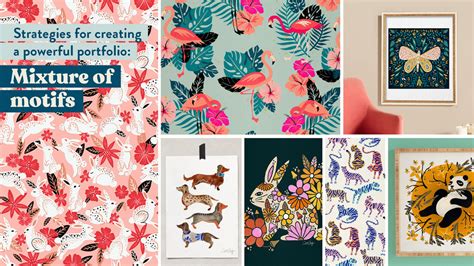
While cohesion is vital, it doesn’t mean you can’t demonstrate versatility. If you work in different mediums or explore various themes, select pieces that highlight your range without diluting your core identity. For instance, if you’re a painter who also creates sculptures, include a limited number of your strongest sculptural works that align conceptually or aesthetically with your paintings.
The key is purposeful versatility. Each diverse piece should still contribute to the overarching narrative of your artistic capabilities and interests, rather than making your portfolio feel fragmented or unfocused. Show you can do many things well, but always with an elegant thread connecting them.
4. Optimize for Your Target Audience
Before making your final selections, consider who will be viewing your portfolio. Are you approaching galleries, potential clients for commissions, art schools, or corporate buyers? Each audience may be looking for something slightly different. Tailoring your portfolio to the specific opportunity can significantly enhance its impact.
For example, a gallery might seek innovative, conceptually strong work, while a corporate client might prioritize pieces that fit a specific aesthetic or theme for their office space. While your core strong pieces remain, you might adjust the emphasis or order to align with the viewer’s interests.
5. Presentation Matters: The Unspoken Elegance
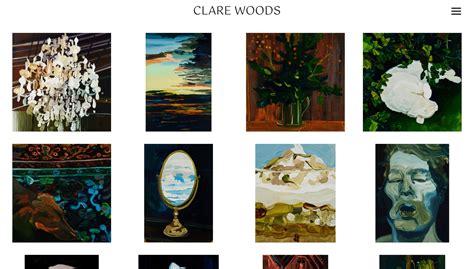
The physical or digital presentation of your portfolio pieces is just as important as the art itself. For physical portfolios, ensure high-quality prints or original works are impeccably clean, matted (if applicable), and displayed in a professional, durable case. For digital portfolios, high-resolution, professionally lit photographs of your work are non-negotiable.
Pay attention to details like consistent framing, clear labels, and an elegant, easy-to-navigate website or PDF. A sloppy presentation undermines even the most brilliant artwork. The way you present your work speaks volumes about your professionalism and respect for your craft.

6. Seek Objective Feedback and Iterate
Once you’ve made your initial selections, step back and solicit feedback from trusted mentors, fellow artists, or even non-artists whose opinions you respect. An outside perspective can reveal blind spots or highlight pieces you might have overlooked. They might spot a disconnect in your narrative or suggest a stronger opening or closing piece.
Be open to constructive criticism and be prepared to iterate. Your portfolio is a living document that should evolve with your artistic practice. Regularly review and update it, ensuring it always reflects your strongest and most current work.
Conclusion: Your Portfolio, Your Legacy
Choosing the right pieces for your professional artist portfolio is an art in itself. It’s about more than just showcasing talent; it’s about crafting an elegant, impactful statement that captures your essence as an artist. By prioritizing quality over quantity, building a cohesive narrative, strategically demonstrating versatility, optimizing for your audience, ensuring impeccable presentation, and embracing feedback, you can create a portfolio that not only opens doors but leaves a lasting, refined impression of your artistic excellence.
Invest the time and thought into this process, and your portfolio will become a powerful testament to your unique artistic voice and vision.