


How to craft compelling, elegant visual narratives for complex beauty artistry tutorials?
In the vibrant world of beauty artistry, tutorials serve as the bridge between intricate techniques and aspiring artists or enthusiasts. However, simply demonstrating a complex look isn’t enough; to truly captivate and educate, you must craft a compelling, elegant visual narrative. This isn’t just about showing what to do, but guiding your audience through a journey of transformation, making the intricate accessible and the beautiful unforgettable.
Deconstructing Complexity into Digestible Visuals
The first step in creating any successful beauty tutorial, especially for complex artistry, is to thoroughly understand the technique yourself. Break down the entire process into its fundamental components. What are the key stages? Which steps are most challenging? By identifying these critical points, you can anticipate where your audience might struggle and tailor your visual explanations accordingly. Each component should then be translated into a clear, distinct visual segment.
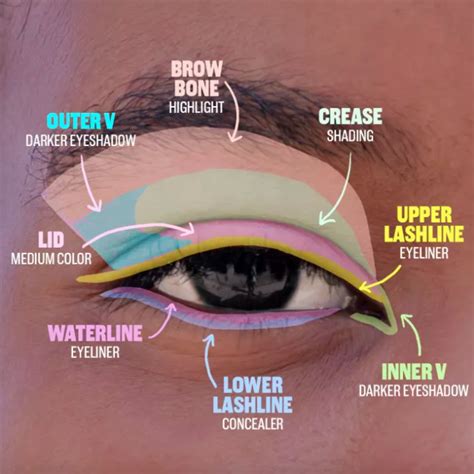
Consider the learning curve. For a beginner, even a simple cut crease might seem daunting. For an advanced artist, the nuances of blending multiple eyeshadows or applying intricate prosthetics are the focus. Your narrative must cater to your target audience’s skill level, offering depth without overwhelming them. Simplify complex motions into slow-motion shots, use close-ups to highlight brush angles, and employ on-screen annotations where necessary.
The Power of High-Quality Visuals and Aesthetics
Mastering Lighting and Composition
Elegance in a visual narrative begins with impeccable production quality. Lighting is paramount in beauty. Soft, even lighting illuminates the textures, colors, and intricate details of the makeup without harsh shadows or glare. Utilize professional studio lights, ring lights, or even natural indirect sunlight to achieve a flattering glow. Composition dictates what the viewer sees and how they perceive it. Employ the rule of thirds, leading lines, and thoughtful framing to draw attention to the key actions and finished artistry. A clean, uncluttered background allows the beauty work to truly shine.
Strategic Camera Angles and Close-ups
Complex artistry often involves subtle movements and precise placements. Varying camera angles can provide different perspectives, clarifying hard-to-see steps. Extreme close-ups are invaluable for showcasing intricate details like liner flicks, glitter application, or individual brush strokes. Ensure these close-ups are steady and in sharp focus, allowing your audience to absorb every nuance. Panning and zooming should be deliberate and smooth, contributing to the narrative flow rather than distracting from it.
Crafting a Cohesive Story Arc
Even a tutorial benefits from a story. Think of it as a journey from the bare canvas to the finished masterpiece. Start with an engaging introduction that sets the stage and hints at the transformation to come. This could be a dramatic before-and-after shot, a quick montage of the final look, or an intriguing question. The body of the tutorial meticulously guides the viewer through each step, building towards the climax – the completed artistry.
Pacing and Flow
Pacing is critical. Complex steps might require slower, more deliberate segments, while repetitive or less crucial actions can be sped up or condensed. Smooth transitions between steps ensure a seamless flow, preventing the viewer from feeling disoriented. Avoid abrupt cuts unless for stylistic effect. The goal is to create a rhythm that keeps the audience engaged without feeling rushed or bored. Music choice also plays a significant role here, setting the mood and enhancing the overall pace.
Adding Polish: Sound, Graphics, and Personal Touch
Impeccable Sound Design and Music
Often overlooked, sound can make or break a visual narrative. Clear, crisp audio for voice-overs or commentary is essential. Eliminate background noise. Complementary music can elevate the elegance and mood of your tutorial, but ensure it enhances, rather than distracts from, the visual content. The music should reflect the aesthetic of your artistry – soft and ethereal for a bridal look, or bold and dynamic for a theatrical one.
On-Screen Graphics and Branding
Subtle, elegant on-screen text or graphics can highlight product names, brush types, or specific techniques without cluttering the screen. Consistent branding elements, like a tasteful intro/outro or watermarks, reinforce your identity. These details contribute to a polished, professional presentation that speaks volumes about your attention to detail and dedication to your craft.

Conclusion: The Art of Visual Persuasion
Crafting compelling, elegant visual narratives for complex beauty artistry tutorials is a sophisticated blend of technical skill, artistic vision, and empathetic communication. By meticulously deconstructing complexity, investing in high-quality visuals, weaving a cohesive story, and adding a polished finish, you transform a mere demonstration into an inspiring and highly effective learning experience. Your audience won’t just learn a technique; they’ll be captivated by the artistry and the journey itself, establishing you as a true master of visual storytelling in the beauty realm.