

How to craft elegant, detailed tutorials for complex makeup looks?

Mastering the Art of Complex Makeup Tutorials
Creating a makeup tutorial for a simple look is one thing, but tackling a complex, multi-step application demands a different level of precision, clarity, and elegance. Whether it’s an intricate cut crease, a theatrical character transformation, or a multi-dimensional smoky eye, your audience needs more than just a list of products – they need a guiding hand. This article will equip you with the strategies to craft tutorials that are not only comprehensive but also a joy to follow.
Understanding Your Audience and the Look
Before you even pick up a brush, consider who you’re speaking to. Are they beginners eager to learn advanced techniques, or seasoned enthusiasts looking for new inspiration? Tailoring your language and level of explanation is crucial. Next, completely deconstruct the complex look you’re teaching. Break it down into its fundamental elements: base, eyes, brows, contour, lips, and any special effects. Identify the specific techniques that make it ‘complex’ and prepare to give those extra attention.
A successful tutorial anticipates questions and provides solutions before they arise. Think about common pitfalls associated with the look and how you can guide your audience around them. This forethought transforms a basic how-to into a truly insightful educational piece.
The Art of Planning and Pre-Production
For complex looks, improvisation is the enemy of clarity. Start with thorough planning. Swatch all your products to understand their true color and texture. Map out each step, perhaps even sketching the placement of different shadows or liners on a face chart. This ‘dress rehearsal’ ensures a smooth execution during your actual tutorial creation.
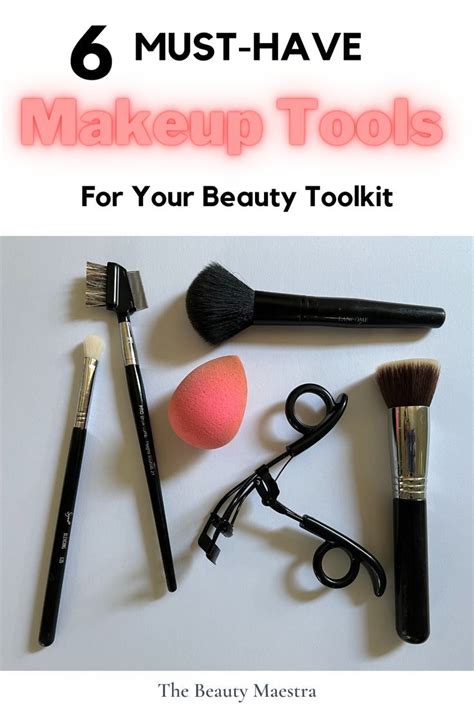
Gather every single product, brush, and tool you’ll need. Nothing disrupts the flow of a tutorial more than searching for a missing item mid-explanation. Organize them logically, perhaps in the order of use. This attention to detail reflects professionalism and makes your tutorial feel polished and authoritative.
Crafting Clear, Engaging Step-by-Step Instructions
Break It Down to Basics
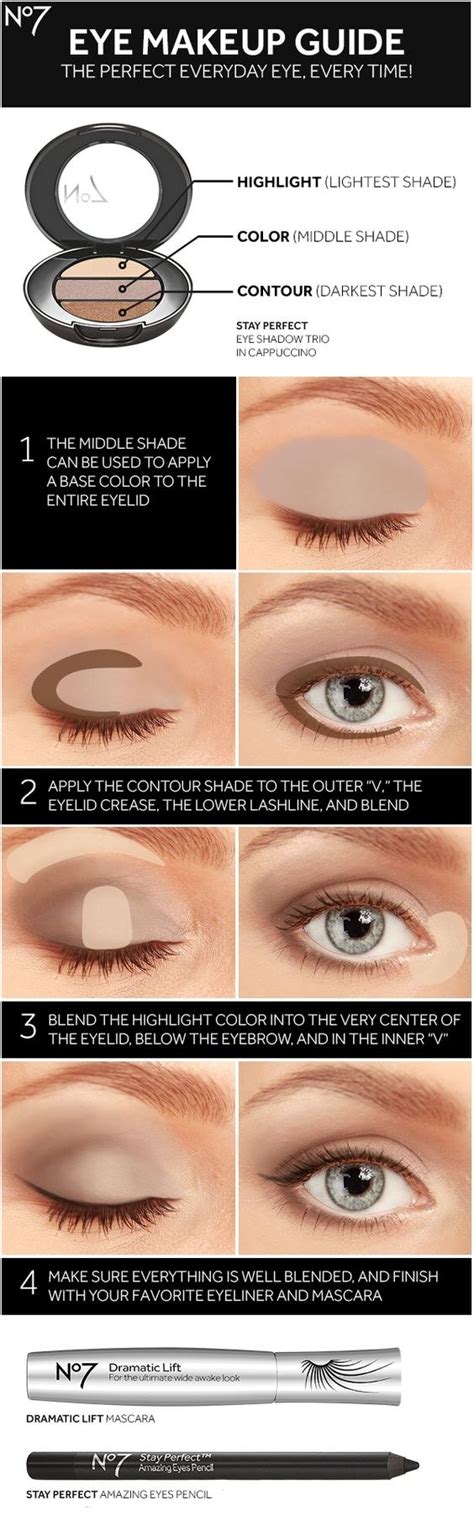
The secret to demystifying complex looks lies in micro-steps. Instead of saying “do your eyeshadow,” break it into: “1. Apply an eyeshadow primer to your lid up to the brow bone. 2. Using a fluffy blending brush, sweep a transition shade into your crease. 3. Pack a shimmer shade onto the center of your lid with a flat brush.” Each step should be actionable and visually understandable, even without an image.
Use Precise, Descriptive Language
Words are your allies. Avoid vague terms. Instead of “put some blush,” say “lightly stipple a peachy-pink blush onto the apples of your cheeks, blending upwards towards your temples.” Use directional cues (inner corner, outer V, waterline, lash line) and explain why certain techniques are used. For example, explain that blending outwards creates a softer edge, while patting builds intensity.
Visuals: The Backbone of a Great Tutorial
Even if your primary medium is text, effective visual descriptions are paramount. For each step, describe what the makeup should look like at that stage. If you’re incorporating images or video (even if not directly in this text, consider this for your actual content), ensure they are well-lit, in focus, and clearly demonstrate the technique or product placement. Show before-and-after for each significant step to highlight progress and impact.
When detailing a specific technique, describe the tool being used, the angle of application, and the motion. For instance, “Using a small, dense pencil brush, apply the deep brown shadow along your lower lash line, connecting it to the outer corner to create a smoked-out effect.” This level of detail empowers your audience to replicate the look with confidence.
Elevating the Elegance Factor
Elegance in a tutorial goes beyond just the makeup look itself; it’s in the entire presentation. Include a detailed product list with exact shades and brands, and perhaps even affordable alternatives. Suggest specific brush types for different applications. Offer pro tips, such as “to prevent fallout, apply a thick layer of loose powder under your eyes before applying glitter.”
Consider adding a section on customizing the look for different eye shapes or skin tones. This shows a deeper understanding and adds immense value. A well-structured introduction setting the mood and a compelling conclusion offering encouragement and final tips also contribute to the overall elegant experience.
![[Beauty] Simple Elegant Makeup Tutorial using Althea Korea Cosmetics ...](/images/aHR0cHM6Ly90czEubW0uYmluZy5uZXQvdGg/aWQ9T0lQLnV0MlkyN3YzRmJrTl8tWUM1MmJZY0FIYUZkJnBpZD0xNS4x.webp)
Review, Refine, and Test
Before publishing, step away from your tutorial for a bit, then come back with fresh eyes. Better yet, have a friend or a member of your target audience try to follow your instructions. This user testing is invaluable for identifying areas where clarity might be lacking or steps might be ambiguous. Check for consistency in language, formatting, and tone.
Ensure that all product names are spelled correctly and that your step numbering or bullet points are accurate. A meticulously reviewed tutorial not only looks professional but also builds trust with your audience, positioning you as a reliable source for beauty education.
Conclusion
Crafting elegant, detailed tutorials for complex makeup looks is an art form that blends technical skill with exceptional communication. By meticulously planning, breaking down intricate steps, using precise language, and incorporating thoughtful details, you can transform daunting makeup challenges into achievable beauty triumphs for your audience. Your dedication to clarity and thoroughness will not only teach them how to create stunning looks but also inspire their confidence in mastering the art of makeup.