

How to craft product guides that deeply explore artisanal quality and elegance?
In a world increasingly dominated by mass production, artisanal products stand as a testament to human skill, dedication, and a commitment to unparalleled quality. But how do you translate the tactile feel of hand-polished wood, the subtle gleam of hand-blown glass, or the intricate weave of a hand-loomed textile into a compelling product guide? It’s more than just listing features; it’s about conveying soul, story, and intrinsic elegance.
Beyond the Bullet Points: Embracing the Artisanal Narrative
The first step in crafting an exceptional product guide for artisanal goods is to move beyond conventional feature lists. Artisanal quality isn’t just about what an item is, but how it came to be. Each piece carries the imprint of its maker, a heritage that deserves to be explored.
Focus on the ‘why’ behind the ‘what.’ Why did the artisan choose a particular material? What traditions influence their craft? What is the journey of creation from raw material to finished masterpiece? This narrative approach transforms a simple product description into an engaging story, allowing customers to connect on a deeper, emotional level.
The Heart of the Craft: Materials and Techniques Explored
To truly convey artisanal quality, delve into the specifics of the materials and techniques used. Don’t just say “leather”; explain “full-grain Italian vegetable-tanned leather, renowned for its durability and rich patina.” Describe the tools, the processes, and the skills involved. Is it hand-stitched with a saddle stitch? Is the metal hand-forged using ancient smithing techniques? Such details not only justify the premium pricing but also educate the consumer on the true value and effort invested.
Consider including a small glossary of artisanal terms if your product utilizes specialized language. This empowers the buyer with knowledge and enhances their appreciation for the intricate details of the craft.

Capturing Elegance: Visual Storytelling and Evocative Language
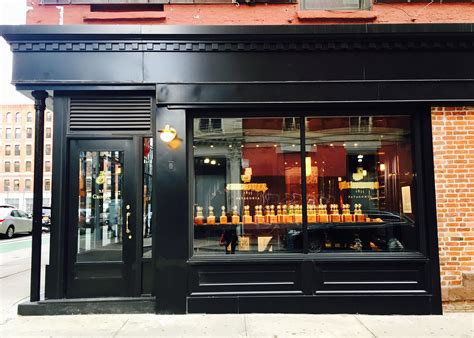
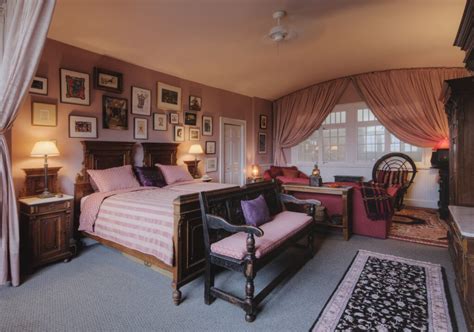
Elegance is often visual, and your product guide must reflect this. High-resolution photography is non-negotiable, but go further: capture the textures, the subtle imperfections that speak of human touch, and the product in its intended context. Lifestyle shots can beautifully illustrate the elegance it brings to a home or a personal style.
Beyond visuals, the language itself must be elegant and evocative. Use sensory descriptions that allow the reader to almost feel, see, and experience the product. Instead of “nice finish,” try “a silken, hand-buffed finish that invites touch.” Emphasize the aesthetic harmony, the design philosophy, and how the piece contributes to an elevated experience.

The Journey Continues: From Unboxing to Legacy
Artisanal elegance extends beyond the product itself to the entire customer journey. Your guide can touch upon the thoughtful packaging, designed to protect and present the item as a precious discovery. Explain how the product ages—how leather develops a unique patina, how wood deepens in color, or how ceramics mature over time. This speaks to the longevity and enduring value of artisanal items, framing them not just as purchases, but as investments or heirlooms.
Provide guidance on care and maintenance, demonstrating that the brand values the product’s lifespan and wishes to support its owner in preserving its beauty. This holistic approach reinforces the notion of artisanal quality and a commitment to enduring excellence.

Conclusion: Weaving Quality and Allure into Every Word
Crafting product guides for artisanal goods is an art form in itself. It requires a deep understanding of the product’s soul, the artisan’s journey, and the inherent elegance woven into its very fiber. By embracing narrative, detailing craftsmanship, employing rich visuals and language, and considering the full product lifecycle, you can create guides that don’t just sell products, but celebrate stories, inspire appreciation, and truly explore the profound depth of artisanal quality and elegance.