



How to curate a portfolio for maximum elegant impact and enhanced artistry?
The Art of Strategic Selection: Beyond a Simple Collection
For any professional artist, a portfolio is far more than a mere collection of works; it is a meticulously crafted narrative, a curated glimpse into your artistic soul and professional prowess. The way you present your art can dramatically elevate its perceived value and impact, moving it from just a display of skill to a compelling artistic statement. Achieving maximum elegant impact and enhanced artistry demands intentional curation, where every piece serves a purpose and contributes to a cohesive, captivating story.
This article will delve into the critical strategies for transforming your portfolio into a powerful tool that not only showcases your finest creations but also communicates your unique artistic vision with sophistication and profound resonance.
The Principle of Intentional Curation: Quality Over Quantity
One of the most common pitfalls artists face is including too much work. While it might seem counterintuitive, ‘less is more’ is a golden rule in portfolio curation. A bloated portfolio dilutes the impact of your strongest pieces and can overwhelm potential clients or gallerists. Your goal should be to present only your absolute best, most representative work.
Select pieces that not only demonstrate your technical mastery but also align with your current artistic direction and the specific opportunities you’re pursuing. Each artwork chosen should be a shining example of your capabilities and contribute to the overall impression you wish to convey.
Crafting a Cohesive Narrative and Artistic Voice
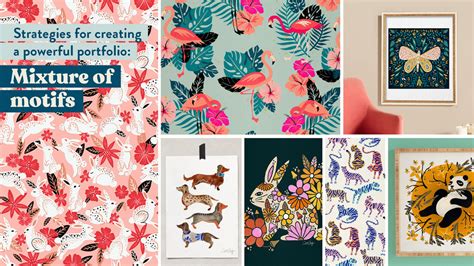
An elegant portfolio tells a story. It’s not just a random assortment of art, but a carefully sequenced progression that reveals your artistic voice, themes, and conceptual interests. Think about the flow: how do the pieces relate to each other? Is there a unifying thread—be it aesthetic, thematic, or conceptual—that ties them together?
Developing a cohesive narrative allows viewers to understand your artistic journey and intention more deeply. It speaks to a thoughtful and mature artist who understands their own practice. Even if your style evolves, showcasing a consistent period or body of work can communicate a strong, clear message about where you are artistically right now.
Elevating Presentation: Visuals, Layout, and User Experience
The visual quality of your portfolio’s presentation is just as crucial as the art itself. This means investing in high-resolution, professionally lit photography of your physical works, or ensuring digital art is presented with impeccable clarity and color accuracy. Poor photography can significantly diminish the perceived quality of even the finest artwork.
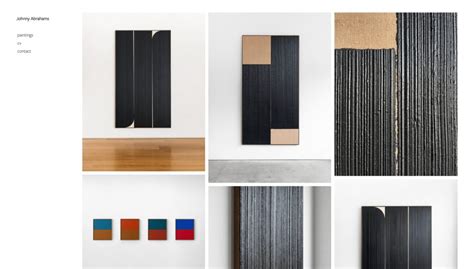
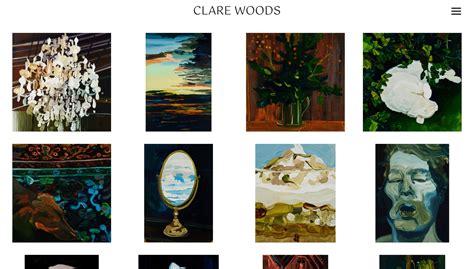
Beyond individual images, consider the overall layout and user experience. Whether it’s a digital website or a physical book, the design should be clean, intuitive, and professional. Avoid cluttered pages, distracting backgrounds, or complex navigation. An elegant presentation speaks volumes about your attention to detail and professional standards.

Beyond the Visuals: Context and Artist Statement
While the visual impact is primary, providing context for your work can profoundly enhance its artistry. For each piece, consider including a concise description that offers insight into your process, inspiration, or the conceptual framework behind it. This narrative adds depth and allows viewers to connect with your work on a more intellectual and emotional level.
A well-crafted artist statement is another essential component. It should articulate your overarching artistic philosophy, key themes, and methodologies in a way that is engaging and succinct. This statement acts as your artistic manifesto, anchoring your portfolio and providing a framework for understanding your entire body of work.

Tailoring for Impact: Knowing Your Audience and Goal
A truly effective portfolio is often a tailored one. Consider who your audience is and what specific opportunity you’re aiming for. A portfolio submitted to a contemporary art gallery might emphasize conceptual depth and experimental techniques, while one for a commercial client might highlight versatility, specific styles, or thematic relevance.
Researching your target audience—be it a gallery, a potential buyer, or a grant committee—allows you to select and sequence pieces that resonate most powerfully with their interests and criteria. This strategic approach demonstrates professionalism and a clear understanding of the art world’s varied demands.
Continuous Refinement: Feedback and Evolution
Your portfolio is not a static entity; it should evolve as your artistic practice grows. Regularly review and update your selection of works. Seek feedback from trusted peers, mentors, or art professionals. Constructive criticism can offer invaluable perspectives, helping you identify areas for improvement in both your art and its presentation.
Embrace the process of refinement. Each iteration of your portfolio is an opportunity to strengthen its elegance, clarify your artistic voice, and maximize its impact. This ongoing commitment to excellence is a hallmark of a truly professional artist.

Conclusion
Curating a portfolio for maximum elegant impact and enhanced artistry is a thoughtful, strategic process that goes beyond simply compiling your best work. It involves intentional selection, cohesive storytelling, impeccable presentation, insightful context, and targeted customization. By meticulously refining each of these elements, you transform your portfolio into a powerful statement that not only captivates viewers but also authentically reflects your artistic identity and propels your professional journey forward.