


How to curate a portfolio for maximum visual impact, reflecting enhanced artistry & elegance?
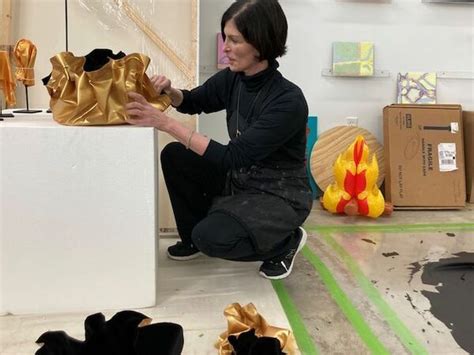
For any professional artist, a portfolio is more than just a collection of work; it’s a meticulously crafted narrative of your artistic journey, skill, and vision. In a competitive landscape, your portfolio must do more than just display art—it must evoke emotion, command respect, and leave a lasting impression of refined artistry and undeniable elegance. This guide will walk you through the essential steps to curate a portfolio that achieves maximum visual impact.
Understanding the Core Principles of Impactful Curation
The foundation of a compelling portfolio lies in strategic curation. This means moving beyond simply gathering your work and instead, applying a discerning eye to select pieces that collectively tell a powerful story. Prioritize quality over quantity; a smaller collection of truly exceptional pieces is far more effective than a voluminous one riddled with inconsistencies.
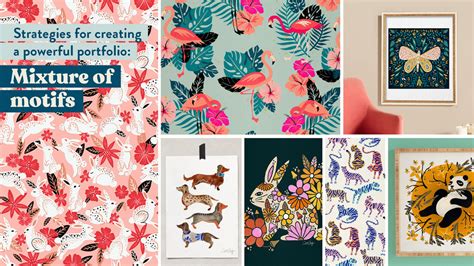
Furthermore, your portfolio should exude cohesion. Even if your artistic range is broad, there should be an underlying thread—be it thematic, stylistic, or conceptual—that links your chosen works. This creates a sense of intentionality and a clear artistic voice, presenting you as a thoughtful and focused artist rather than one who is scattered.
Strategic Selection: What to Include and Exclude
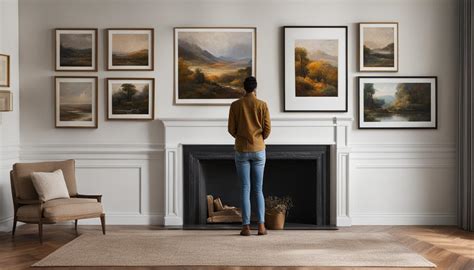
The most crucial step is selecting the right pieces. Always showcase your absolute best work—those pieces that you are most proud of, that demonstrate your highest skill level, and that align with your artistic identity. If you’re targeting a specific gallery or client, tailor your selection to resonate with their aesthetic or needs, without compromising your authentic voice.
Consider the story each piece tells about your technique, conceptual depth, and mastery of your chosen medium. While demonstrating versatility is valuable, ensure that any stylistic variations within your portfolio still feel intentional and contribute to your overall artistic statement, rather than appearing disjointed.

Elevating Presentation: The Canvas of Your Art
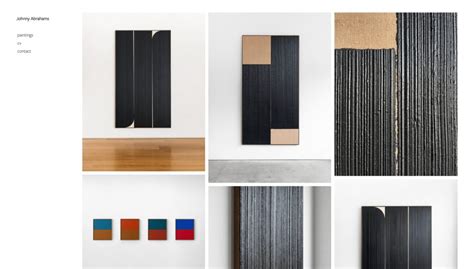
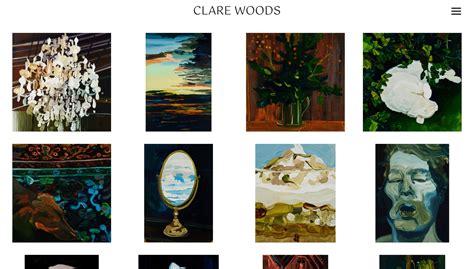
The visual presentation of your portfolio is just as important as the art itself. Invest in professional, high-resolution photography or digital scans of your physical artwork. Poor lighting, blurry images, or distracting backgrounds can severely detract from the perceived quality of your art. For digital portfolios, choose a clean, intuitive platform or website design that puts your art front and center, free from clutter.
If presenting a physical portfolio, ensure the pieces are impeccably framed or mounted, and the portfolio case itself reflects professionalism and elegance. Consistency in presentation—from photography style to digital layout—reinforces a polished and sophisticated brand image.
Crafting Your Narrative: Beyond the Visuals
A truly impactful portfolio integrates compelling textual elements. A well-written artist statement, concise and articulate, should offer insight into your creative process, influences, and the conceptual underpinnings of your work. Your artist biography should be professional, highlighting relevant achievements and exhibitions without being overly verbose.
Each artwork should be accompanied by clear, concise descriptions, including title, medium, dimensions, and year of creation. Consider adding a brief, insightful sentence or two about the inspiration or unique aspects of key pieces, allowing viewers to connect more deeply with your work.
Refinement and Feedback: The Iterative Process
Your portfolio is a living document, constantly evolving with your artistic growth. Regularly review and update your portfolio, replacing older pieces with newer, stronger work. Seek critical feedback from trusted peers, mentors, or art professionals. An outside perspective can reveal blind spots and offer valuable insights into how your portfolio is perceived.
Be open to constructive criticism and use it as an opportunity to refine your selection and presentation. The goal is a portfolio that not only accurately represents your current artistic pinnacle but also continuously improves to meet the highest standards of impact and elegance.

Conclusion
Curating a portfolio for maximum visual impact, enhanced artistry, and elegance is an art form in itself. By meticulously selecting your best work, ensuring impeccable presentation, crafting a compelling narrative, and continuously refining your approach, you can create a powerful tool that effectively communicates your unique vision and elevates your professional standing in the art world. Your portfolio is your most eloquent advocate; make it speak volumes.