

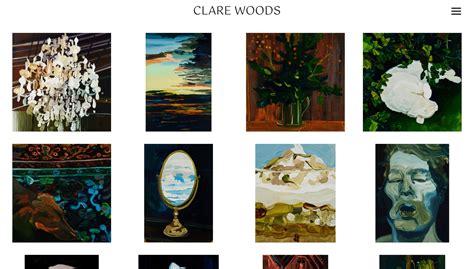


How to curate a Pro Artist Portfolio for maximum elegance and client impact?

In the competitive world of art, your portfolio is far more than just a collection of your work; it’s your most powerful marketing tool, your professional statement, and often, the first impression a potential client or gallery will have of you. To truly stand out, a professional artist’s portfolio must transcend mere display and embody a curated experience designed for maximum elegance and impactful engagement.
Defining Your Artistic Narrative and Niche
Before selecting a single piece, consider the overarching story your portfolio needs to tell. What is your unique artistic voice? What kind of work do you want to attract? A cohesive narrative guides your choices, ensuring that every piece contributes to a clear understanding of your style, skills, and vision. This clarity is crucial for resonating with specific clients who are looking for exactly what you offer.
Pinpointing your niche helps you tailor your portfolio to a targeted audience. Are you a portrait artist, a landscape painter, an abstract sculptor, or a digital illustrator? While versatility can be appealing, a highly focused portfolio often communicates professionalism and expertise more effectively. Let your portfolio scream your specialization, making it easy for the right client to find you.

The Art of Curated Selection: Quality Over Quantity
One of the most common pitfalls artists face is including too many pieces. A truly impactful portfolio prioritizes quality over quantity. Select only your absolute best, most recent, and most representative work. Each piece should serve a purpose, demonstrating a specific skill, technique, or aspect of your artistic identity.
Aim for a concise collection, typically between 10-20 pieces for digital portfolios, that showcases consistency in your aesthetic and proficiency. If a piece doesn’t elevate the overall impression or tell a vital part of your story, it’s better to omit it. The goal is to leave the viewer wanting more, rather than overwhelmed.
Mastering Presentation: Digital and Physical Elegance
High-Resolution Imagery and Professional Photography
The visual quality of your portfolio images cannot be overstated. For physical artworks, invest in professional photography or learn how to light and photograph your work impeccably. Poor lighting, blurry images, or distracting backgrounds can undermine even the most magnificent piece. Digital artists must ensure their files are high-resolution, correctly color-profiled, and presented in appropriate file formats.

Intuitive Digital Platforms and Physical Presentation
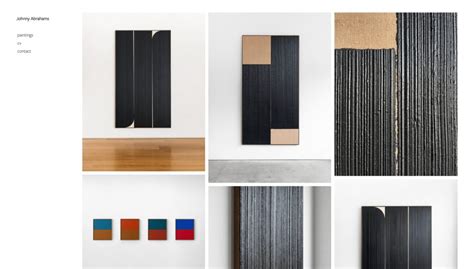
For digital portfolios, choose a platform that offers elegant design, easy navigation, and mobile responsiveness. Your website should be a clean, user-friendly gallery that allows your art to shine without distractions. Avoid overly complex layouts or slow loading times. For physical portfolios, opt for a professional, durable case or binder. Ensure prints are high-quality, mounted neatly, and protected from damage.
The Power of Context and Storytelling
Your artwork doesn’t exist in a vacuum; provide context that enriches the viewer’s experience. An engaging artist statement (a brief summary of your artistic philosophy, influences, and intentions) can provide valuable insight. For each piece, consider adding a concise description that outlines the medium, dimensions, year created, and perhaps a brief note on its inspiration or technique. This narrative adds depth and helps clients connect more deeply with your work.
Including testimonials from satisfied clients or project-specific case studies can also add significant credibility and demonstrate your ability to deliver professional results. This social proof is a powerful tool in converting interest into engagement.

Optimizing for Client Engagement and Impact
Seamless Navigation and Call to Action
A portfolio, whether digital or physical, should be easy to navigate. Clients have limited time; make it effortless for them to view your best work and understand your services. On digital platforms, ensure clear calls to action, such as “Contact Me,” “Request a Commission,” or “View My Shop.” Make it simple for interested parties to take the next step.
Regular Updates and Feedback
Your portfolio is a living document. Regularly review and update it with your latest and strongest work. Remove older pieces that no longer represent your current skill level or artistic direction. Seek feedback from trusted peers, mentors, or even potential clients to identify areas for improvement. A fresh, relevant portfolio signals an active and evolving artist.

Conclusion: Crafting a Lasting Impression
Curating a professional artist portfolio for maximum elegance and client impact is an ongoing process of refinement and strategic presentation. By defining your narrative, meticulously selecting your best work, ensuring impeccable presentation, and providing compelling context, you transform a simple collection of art into a powerful tool that speaks volumes about your talent, professionalism, and unique artistic vision. Invest the time and effort into perfecting this essential asset, and watch as it opens doors to new opportunities and strengthens your reputation in the art world.