



How to curate a Pro Artist Portfolio for maximum elegance and enhanced client appeal?
The Strategic Importance of an Elegant Artist Portfolio
For any professional artist, a portfolio serves as your most powerful calling card. It’s the silent ambassador that speaks volumes about your skill, style, and professionalism. But to truly stand out in a competitive landscape, your portfolio needs to transcend mere display; it must be a masterclass in curation, exuding elegance and irresistibly appealing to your target clientele. This guide will walk you through the essential steps to craft a portfolio that not only showcases your finest work but also tells a compelling story and leaves a lasting impression.

Defining Your Narrative and Target Audience
Before you even begin selecting pieces, ask yourself: Who is your ideal client? What kind of work are you passionate about doing, and for whom? Understanding your niche – be it fine art collectors, editorial clients, galleries, or commercial brands – is paramount. Your portfolio should not be a generic repository of all your work, but rather a focused narrative tailored to resonate with the specific individuals or institutions you aim to attract. Every piece chosen should contribute to this overarching story and demonstrate your capability to meet their needs or aesthetic preferences.
Quality Over Quantity: The Art of Ruthless Selection
This is perhaps the most critical step in curation. Resist the urge to include every piece you’ve ever created. Instead, focus exclusively on your absolute best work – pieces that exemplify your highest skill level, unique artistic voice, and desired direction. A portfolio with 10 stellar pieces is far more effective than one with 30 mediocre or inconsistent ones. Be objective, or seek feedback from trusted mentors, to identify works that truly shine and align with your target audience’s expectations. Each piece should showcase your mastery and elevate the entire collection.
Ensuring Cohesion and a Seamless Flow
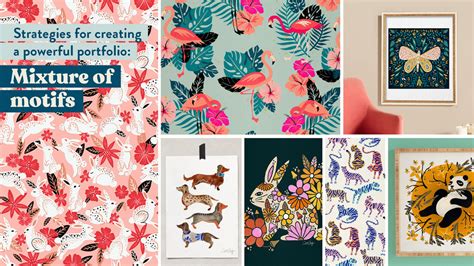
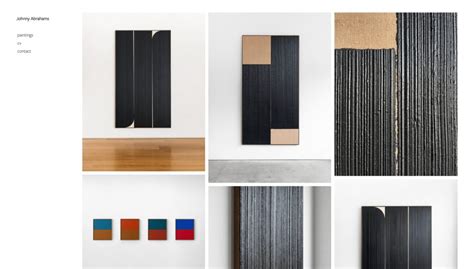
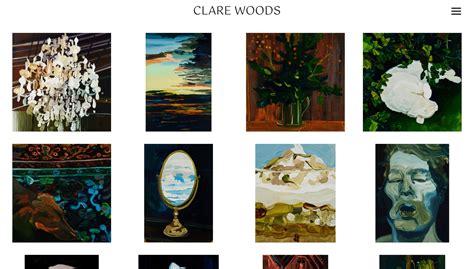
An elegant portfolio presents a unified vision. While diversity can be valuable, it should not compromise overall cohesion. Consider grouping works by style, theme, medium, or series to create a logical and aesthetically pleasing flow. Think of your portfolio as a visual journey; each piece should lead naturally to the next, building a coherent impression of your artistic identity. This thoughtful arrangement demonstrates not only your artistic skill but also your ability to present your work with intention and sophistication.
The Power of Impeccable Presentation
High-Resolution Imagery and Professional Photography
Whether your portfolio is digital or physical, the quality of your image presentation is non-negotiable. Invest in professional photography for your artwork, or learn to photograph it expertly yourself. Images must be high-resolution, color-accurate, well-lit, and free from distracting backgrounds. For digital portfolios, ensure fast loading times and clear navigation. For physical portfolios, use high-quality prints and a clean, durable presentation binder.
Contextual Information and Storytelling
Beyond the visuals, provide concise yet informative details for each piece: title, medium, dimensions, and year of creation. Consider adding a brief, engaging artist statement or project description that offers insight into your creative process or the inspiration behind the work. This adds depth and allows clients to connect with your art on a deeper level.

Strategic Platform Choices for Maximum Impact
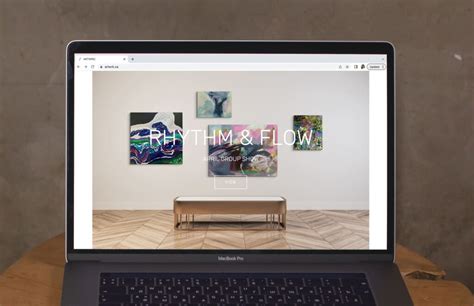
Choosing the right platform is crucial. A professional website is almost always essential, allowing you full control over branding and presentation. Platforms like Behance, ArtStation, or professional gallery sites can also offer excellent visibility. Ensure your chosen platform is user-friendly, responsive across devices, and reflects the elegance of your artwork. Consider separate, tailored portfolios for different types of clients if your work spans diverse styles or applications.
Including Professional Credentials and Contact
Your portfolio should also briefly introduce you as an artist. Include a professional artist bio, a concise artist statement, and clearly visible contact information (email, phone, social media links). If applicable, mention notable exhibitions, awards, or publications. This builds credibility and makes it easy for interested clients to reach out. Think of it as wrapping up your elegant presentation with professional polish.

Regular Review and Refinement
Your artistic journey is ever-evolving, and so should your portfolio. Make it a practice to review and update your portfolio regularly. Remove older works that no longer represent your current best, add new achievements, and refine your narrative as your artistic direction evolves. A dynamic, up-to-date portfolio demonstrates growth and commitment to your craft.
Conclusion
Curating a pro artist portfolio for maximum elegance and client appeal is an ongoing process of thoughtful selection, impeccable presentation, and strategic storytelling. By focusing on quality, cohesion, and professionalism, you transform your collection of artwork into a powerful marketing tool that not only showcases your talent but also articulates your unique value proposition to potential clients, opening doors to exciting new opportunities in your artistic career.