

How to curate a Pro Artist Portfolio for maximum elegance and professional impact?
The Imperative of a Polished Artist Portfolio
In the competitive world of art, your portfolio is more than just a collection of works; it’s your most potent professional statement. It’s the silent ambassador that speaks volumes about your skill, vision, and professionalism before you even utter a word. A meticulously curated portfolio doesn’t just showcase your art; it tells your story, highlights your unique aesthetic, and ultimately determines your impact on gallerists, clients, and collaborators. Elevating your portfolio from a mere compilation to a masterful presentation is key to standing out and achieving your artistic goals.
Strategic Selection: Quality Over Quantity
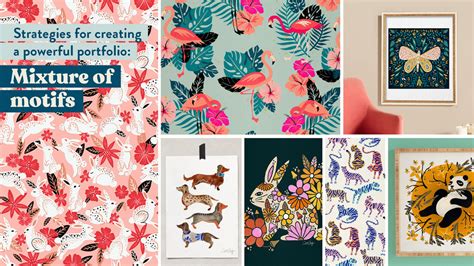
The first rule of an elegant and impactful portfolio is ruthless selection. Resist the urge to include every piece you’ve ever created. Instead, focus on a concise collection of your absolute strongest and most relevant works. Aim for consistency in style or demonstrate a clear, deliberate range if you work across different mediums or themes. Each piece should serve a purpose, reinforcing your artistic identity and skill set. Consider the narrative you want to convey; what story do these selected works tell about you as an artist?
Typically, a professional portfolio should contain 10-20 pieces. For emerging artists, 5-10 strong pieces might be sufficient. Ensure that the quality of your images (for digital portfolios) is impeccable – high-resolution, well-lit, and accurately color-corrected. Poor photography can significantly detract from even the most brilliant artwork.
Harmonious Presentation and Branding
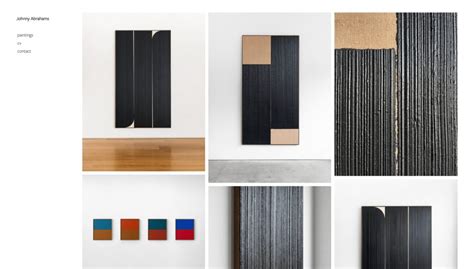
Elegance in a portfolio extends beyond the artwork itself to its overall presentation. Whether it’s a physical book or a digital website, consistency in design and layout is paramount. Choose a clean, uncluttered aesthetic that allows your art to breathe and be the undisputed focal point. Use neutral backgrounds and a cohesive typeface throughout. Your branding – from your logo to your artist statement – should be subtly integrated, reinforcing your professional identity without overpowering the visuals.

Your artist statement and biography should be concise, compelling, and free of jargon. They should offer insight into your creative process, influences, and artistic philosophy, adding context and depth to your visual presentation. Proofread everything meticulously; typos undermine professionalism.
The Digital vs. Physical Dimension
In today’s art world, a robust online presence is non-negotiable. Your digital portfolio, typically a dedicated website, should be easy to navigate, mobile-responsive, and showcase your work beautifully. Platforms like Squarespace, Wix, or specific art portfolio sites offer excellent templates. Organize your work into clear categories if applicable, and include a contact page with all necessary information. Always keep your online portfolio updated with your latest and greatest work.

While digital is primary, a well-designed physical portfolio can still be invaluable for in-person meetings, studio visits, or exhibitions. Opt for a high-quality, durable portfolio case and ensure your prints are professional-grade and consistently sized. This tangible experience can leave a distinct, memorable impression.

Continuous Refinement and Feedback
A professional artist portfolio is not a static entity; it’s a living document that evolves with your artistic journey. Regularly review and update your portfolio to reflect your latest achievements, refine your stylistic direction, and remove older pieces that no longer represent your current skill level or artistic vision. Seek feedback from trusted peers, mentors, or industry professionals. An outside perspective can reveal blind spots and offer valuable insights for improvement.
Conclusion: Your Artistic Signature
Curating a pro artist portfolio for maximum elegance and professional impact is an ongoing process of strategic selection, thoughtful presentation, and continuous refinement. By prioritizing quality over quantity, investing in impeccable presentation, maintaining a strong online presence, and embracing feedback, you transform your portfolio from a mere collection into a compelling narrative of your artistic prowess. It becomes your most elegant and powerful calling card, opening doors and defining your professional trajectory in the art world.