

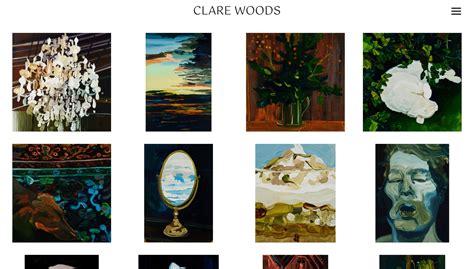


How to curate an elegant Pro Artist Portfolio that defines artistry for high-value clients?
The Essence of an Elite Artist Portfolio
For professional artists aiming to attract high-value clients, a portfolio is far more than a collection of works; it’s a meticulously crafted narrative, a statement of artistic intent, and a testament to unparalleled skill. These discerning clients seek not just beautiful objects, but investments, unique perspectives, and a professional partnership. Your portfolio must resonate with sophistication, demonstrate consistent excellence, and clearly articulate your distinctive artistic voice.
Understanding the High-Value Client’s Perspective
High-value clients are driven by discernment, quality, and often, the desire for something truly unique and bespoke. They aren’t merely purchasing art; they are acquiring an experience, a status symbol, or a profound emotional connection. When reviewing a portfolio, they look for:
- Uncompromising Quality: Every piece must be an exemplar of your finest work, demonstrating technical mastery and artistic maturity.
- Distinctive Originality: They seek artists with a clear, singular vision, not those who follow trends. Your signature style should be unmistakable.
- Consistent Excellence: While showcasing versatility is good, a consistent level of quality and an evolving yet recognizable aesthetic are paramount.
- Professionalism and Reliability: Beyond the art itself, clients evaluate the professionalism of the artist through the presentation, communication, and overall brand impression.
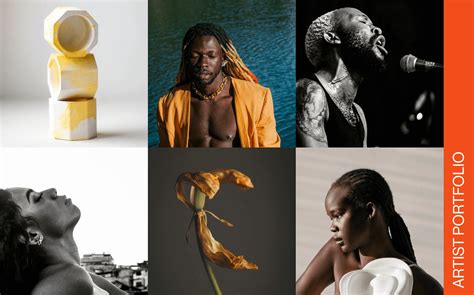
Strategic Curation: Less is More, Better is Best
The temptation to include every significant piece can be strong, but for high-value clients, strategic editing is crucial. Your portfolio should be a highlight reel, not a complete archive. Focus on:
- Selecting Your Strongest Works: Choose 10-20 truly outstanding pieces that best represent your current artistic direction and peak capabilities. Each piece should be able to stand alone as a masterpiece.
- Creating a Cohesive Narrative: Arrange your works in a way that tells a story, showcases an an evolution, or highlights a specific theme. There should be a flow and a logical progression that guides the viewer through your artistic journey.
- Demonstrating Versatility Without Dilution: If you work in multiple mediums or styles, consider separate, highly curated portfolios for each, or ensure that any variety still feels cohesive within your overarching artistic identity. Quality always triumphs over quantity.
The Art of Presentation: Digital and Physical
The medium through which your art is presented is as important as the art itself. This is where professionalism truly shines:
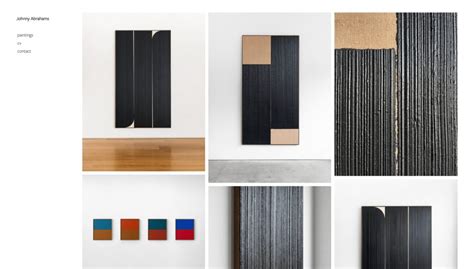
- High-Resolution Imagery: For digital portfolios, invest in professional photography of your artwork. Every detail, texture, and color nuance must be faithfully captured. Poor lighting or blurry images are immediate deterrents.
- Professional Online Platform: A dedicated, elegant artist website is non-negotiable. It should be easy to navigate, mobile-responsive, and visually appealing, reflecting the aesthetic of your art. Avoid free, generic platforms.
- Elegant Physical Presentation: If presenting in person, use high-quality binders, archival prints, and sophisticated framing. The tactile experience should echo the exclusivity of your work.
- Clear and Concise Descriptions: Each piece should be accompanied by essential information: title, year, medium, dimensions, and a brief, compelling conceptual statement. Avoid overly academic jargon or overly sentimental prose.

Defining Your Artistic Voice and Brand
High-value clients are often investing in the artist as much as the art. Your portfolio should provide insight into who you are and what drives your creative practice.
- Compelling Artist Statement: A well-written artist statement (100-200 words) articulates your philosophy, inspirations, and processes. It should be authentic and unique to you.
- Professional Biography: Detail your artistic journey, significant achievements, education, exhibitions, and notable commissions. Keep it professional and focused on your artistic career.
- Testimonials and Endorsements: Include carefully selected testimonials from previous high-profile clients, collectors, or art critics. Social proof adds immense credibility.
- Transparent Process (Optional but Recommended): For commissioned work, offering a glimpse into your creative process can build trust and manage expectations. This could be a separate section on your website or discussed during initial consultations.
The Follow-Through: Professionalism and Impact
An exquisite portfolio opens doors, but lasting relationships are built on consistent professionalism:
- Customized Proposals: Tailor your portfolio presentation and any accompanying proposals to the specific client and project. Show you’ve done your research.
- Impeccable Communication: Be prompt, clear, and professional in all correspondence. High-value clients expect a high level of service.
- Building Relationships: View every interaction as an opportunity to build a long-term relationship. Networking within the art world and maintaining connections with collectors are vital.

Your Portfolio as a Legacy
Curating an elegant pro artist portfolio is an ongoing process of refinement and self-reflection. It’s an investment in your career, a dynamic representation of your evolving artistry, and ultimately, the most powerful tool for communicating your unique vision to those who truly appreciate and value it. By focusing on excellence, strategic presentation, and professional integrity, your portfolio will not just attract high-value clients, but truly define your place in the art world.