

How to curate my Pro Artist Portfolio for elegant visual flow & impact?
The Art of Curating a Powerful Portfolio
In the competitive world of professional art, your portfolio isn’t just a collection of works—it’s your most potent marketing tool. It tells your story, showcases your unique vision, and demonstrates your capabilities. Curating it for elegant visual flow and maximum impact is crucial for capturing attention and securing opportunities. A well-designed portfolio should not only display your best pieces but also guide the viewer through a cohesive and compelling journey.
Define Your Narrative and Target Audience
Before you even begin selecting pieces, clarify your artistic identity. What is your specialty? Who are you trying to reach? A portfolio aimed at galleries will differ from one designed for commercial clients or fine art collectors. Understanding your target audience will inform your selection process and the overall presentation. Your portfolio should articulate a clear narrative about who you are as an artist and what unique value you bring.
Consider the story you want to tell. Are you a portrait painter, a landscape photographer, an abstract sculptor, or a graphic designer? Focus on showcasing work that aligns with your professional aspirations and the specific opportunities you’re pursuing. Consistency in theme, style, or medium can significantly enhance visual flow.
Quality Over Quantity: Select Your Strongest Works
Resist the urge to include every piece you’ve ever created. A strong portfolio is a concise one. Choose only your absolute best, most representative works—typically 10-20 pieces for an online portfolio, fewer for physical submissions. Each piece should demonstrate technical skill, conceptual depth, and originality. If a piece doesn’t elevate the overall impression of your portfolio, leave it out. Remember, you are only as strong as your weakest piece.
Mastering Visual Flow and Pacing
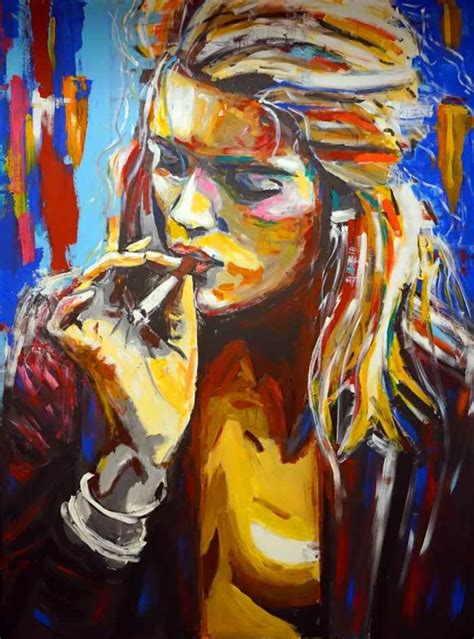
The order in which your pieces appear is critical. Think of your portfolio as a visual symphony. Start with a strong “opener” piece that immediately grabs attention. Follow it with works that build interest, vary slightly in style or subject (while maintaining overall consistency), and demonstrate your range within your niche. Avoid abrupt transitions. Group similar works together or create thematic sequences. End with another powerful piece to leave a lasting impression.
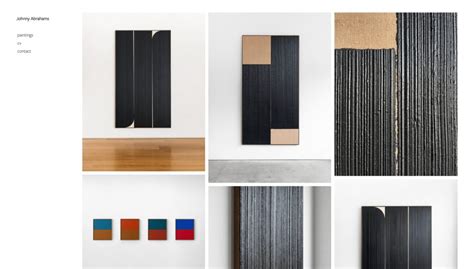
Consider the visual rhythm. Do not place two very busy or overwhelming pieces side-by-side. Allow for moments of visual “rest.” Pay attention to color palettes, compositional balance, and scale as you arrange your selected works. The goal is to create an experience that feels natural, engaging, and professional.
High-Quality Presentation and Details
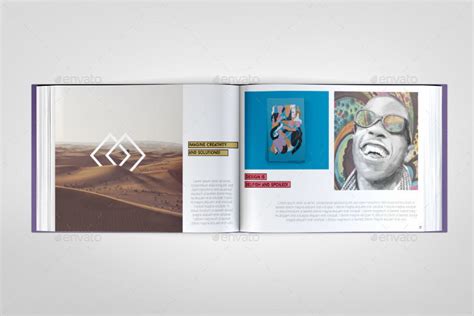
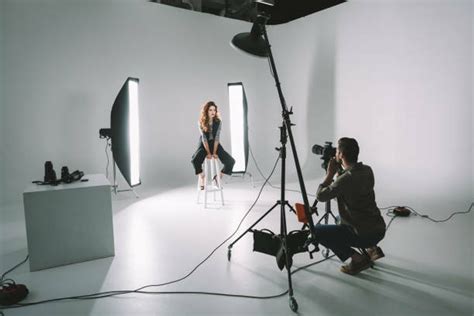
Regardless of whether your portfolio is physical or digital, impeccable presentation is non-negotiable. For physical portfolios, invest in professional framing or mounting, and ensure clean, consistent matting. For digital portfolios, high-resolution, professionally lit photography of your work is paramount. Blurry, poorly lit, or inconsistent images can severely detract from even the most brilliant art.
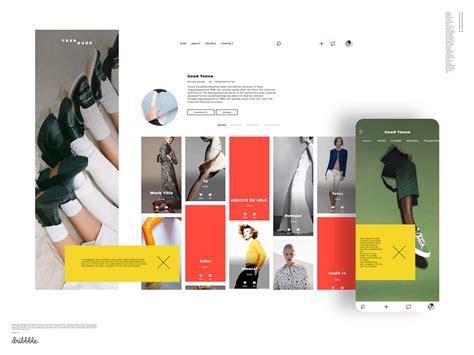
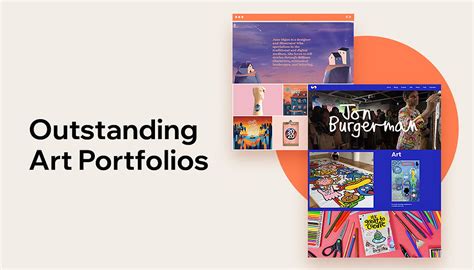
Ensure your digital platform (website, Behance, ArtStation, etc.) is clean, easy to navigate, and mobile-responsive. Provide clear, concise descriptions for each piece, including title, medium, dimensions, and year created. Add a brief artist statement or context if it enhances understanding. Proofread everything for typos and grammatical errors.
Seek Feedback and Refine
Once you’ve assembled your portfolio, get fresh eyes on it. Ask trusted mentors, fellow artists, or even potential clients for honest feedback. Are there any pieces that stand out (positively or negatively)? Is the flow logical? Is your artistic voice clear? Be open to constructive criticism and be willing to make adjustments. Your portfolio is a living document that should evolve with your artistic practice. Regularly review and update it to reflect your latest and best work.
Conclusion
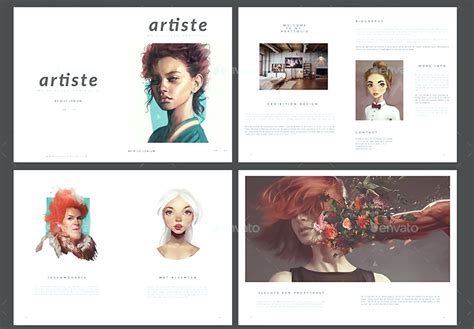
Curating a professional artist portfolio for elegant visual flow and maximum impact is a strategic process that goes beyond simply displaying your art. It involves defining your narrative, rigorously selecting your best pieces, orchestrating their presentation, ensuring high-quality visuals, and continuously refining your message. By investing time and thought into these aspects, your portfolio will not only present your work beautifully but also powerfully communicate your unique talent and professional potential, opening doors to new opportunities and recognition.