



How to curate Pro Portfolio artwork for ‘Artistry Enhanced’ elegance & client appeal?

Your professional art portfolio isn’t just a collection of your work; it’s a meticulously crafted narrative, a silent ambassador speaking volumes about your skill, vision, and professionalism. In the highly competitive art world, a portfolio that exudes ‘Artistry Enhanced’ elegance and undeniable client appeal is your most potent tool for securing opportunities, attracting commissions, and building a reputable brand. Curating such a portfolio requires strategic thinking, a discerning eye, and a deep understanding of what captivates potential clients.
Define Your Niche and Audience
Before you even begin selecting pieces, clarity on your target audience is crucial. Are you aiming for fine art galleries, commercial clients, private collectors, or agencies? Each audience has distinct expectations and preferences. A commercial client might prioritize versatility and project applicability, while a gallery owner might seek a cohesive body of work with profound conceptual depth. Understanding who you’re trying to reach allows you to tailor your selections for maximum impact.

Who Are You Trying to Reach?
Research the type of work prevalent in your desired spaces or with your ideal clients. This isn’t about copying trends, but about understanding the language they speak and how your unique voice can resonate within that context. Your portfolio should clearly demonstrate that you understand their needs and can deliver exceptional results.
Tailor Your Selection
If you work across multiple styles or mediums, consider creating distinct portfolios for different purposes. A landscape painter targeting a nature gallery will present different work than an illustrator seeking graphic novel commissions. While your unique style should shine through, the presentation should always be client-centric.
Quality Over Quantity: The Art of Discerning Selection
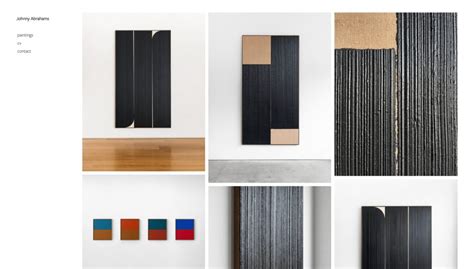
This is perhaps the most critical rule: always prioritize quality. Presenting twenty mediocre pieces dilutes the impact of five exceptional ones. Your portfolio should showcase only your absolute best, most finished, and most representative work. Every piece included must contribute to the overall impression of excellence and reinforce your artistic identity.

Edit ruthlessly. If a piece doesn’t align with your current artistic direction, doesn’t meet your highest technical standards, or doesn’t speak to your target audience, remove it. A concise, powerful collection is far more impressive than an exhaustive, uneven one. Think of your portfolio as a curated exhibition of your finest achievements.
Showcase Versatility with Purpose
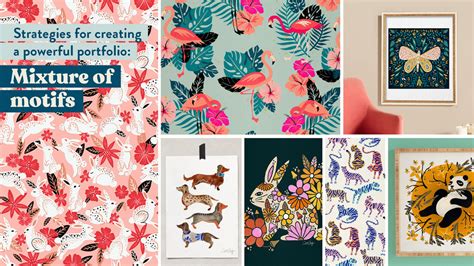
While cohesion is vital, demonstrating a degree of versatility within your chosen style can be a significant asset. Clients appreciate an artist who can adapt their vision to different themes, scales, or even mediums, provided it remains consistent with their core aesthetic. Include pieces that highlight different facets of your skill set, from intricate detail work to bold compositional choices, or varying emotional tones.
Ensure that any versatility shown serves a purpose. Don’t include radically different styles unless you aim to present yourself as a multi-stylistic artist, which requires a separate strategic approach. The goal is to show depth and range within your signature artistic voice, proving you can tackle diverse projects while maintaining your unique identity.
Professional Presentation is Paramount
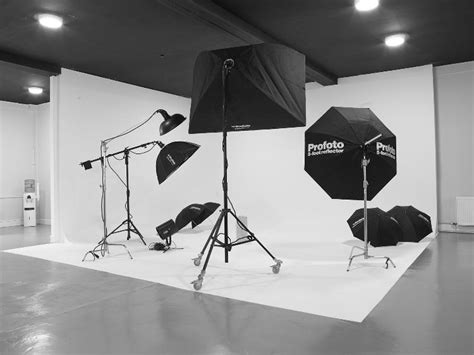
Even the most brilliant artwork can be undermined by poor presentation. High-resolution, professional photography of your physical artwork is non-negotiable. Ensure lighting is even, colors are accurate, and images are crisp and well-cropped. For digital art, export files at optimal resolutions for web display.
High-Resolution Photography
Invest in good equipment or professional services. Blurry, poorly lit, or color-shifted images will immediately diminish the perceived value of your art, regardless of its actual quality.
Contextual Mockups and Lifestyle Shots
Beyond isolated images, consider how your art looks “in situ.” Use realistic mockups (e.g., art on a gallery wall, a book cover design, an illustration in a magazine spread, a sculpture in a landscape) to help clients visualize your work in their own contexts. This adds a layer of professionalism and makes your art more relatable and desirable.

Clear Descriptions and Storytelling
Each piece should be accompanied by relevant information: title, medium, dimensions, year of creation, and a brief, engaging description. Explain your inspiration, process, or the conceptual underpinning of the work. This adds depth, allows clients to connect with your narrative, and demonstrates your professionalism. Avoid overly academic or pretentious language; aim for clarity and passion.
The Power of a Strong Narrative
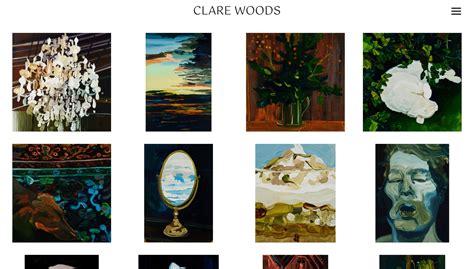
Your portfolio isn’t just a collection; it’s a story about you as an artist. What themes recur in your work? What message do you want to convey? Arrange your pieces in a logical, visually pleasing sequence that tells this story. A strong narrative makes your portfolio memorable and helps potential clients understand your artistic journey and vision.

Consider the flow between pieces. Does one piece lead naturally to the next? Is there a rhythm to the presentation? This thoughtful arrangement elevates your portfolio from a simple archive to an immersive experience, inviting clients to delve deeper into your world.
Review, Refine, and Stay Current
Your portfolio is a living document that should evolve with your artistic practice. Regularly review your work, removing older pieces that no longer represent your best and adding new, compelling creations. Seek feedback from trusted peers, mentors, or even potential clients. An objective outside perspective can reveal blind spots and areas for improvement.
Stay informed about current trends in your target market, but always stay true to your unique artistic voice. A dynamic, well-maintained portfolio signals that you are an active, growing, and professional artist.
Conclusion
Curating a portfolio that marries ‘Artistry Enhanced’ elegance with undeniable client appeal is an ongoing process of self-reflection, strategic editing, and meticulous presentation. By defining your audience, prioritizing quality, showcasing versatility with purpose, and presenting your work professionally with a strong narrative, you transform your portfolio into an indispensable tool that opens doors, secures opportunities, and solidifies your reputation as a serious, compelling artist. Invest the time and effort; your artistic future depends on it.