



How to curate Pro Portfolio for elegant artistry and maximum client impact?
For any professional artist, a portfolio isn’t just a collection of work; it’s a meticulously crafted narrative, a powerful tool designed to captivate potential clients and eloquently communicate your unique artistic voice. Curating a portfolio that embodies elegant artistry while simultaneously maximizing client impact requires strategic thinking, discerning selection, and an unwavering commitment to professional presentation.
Defining Your Artistic Vision & Niche
Before selecting a single piece, take a step back to define the core of your artistic vision and the specific niche you aim to attract. Are you a minimalist sculptor, a vibrant abstract painter, or a meticulous portrait artist? Your portfolio should be a focused representation of your best work within that defined identity. This clarity not only streamlines your selection process but also helps potential clients quickly understand if your style aligns with their needs.
Consider the type of clients you want to work with and the specific projects you’re pursuing. A portfolio for gallery representation might differ subtly from one targeting corporate commissions or private collectors. Tailoring your presentation to resonate with your ideal audience is crucial for making a strong, memorable first impression.
Quality Over Quantity: The Selection Process
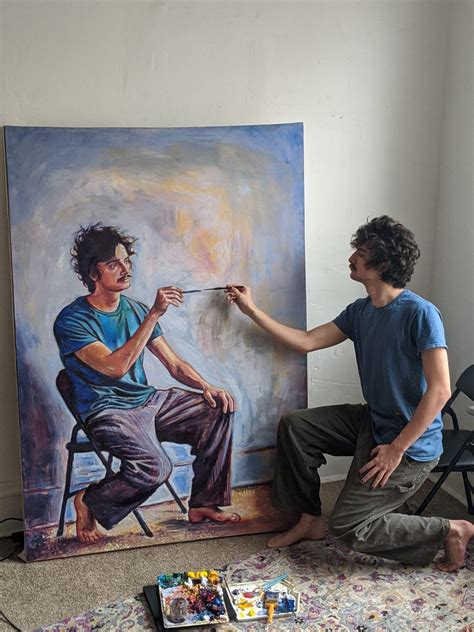
The temptation to include every good piece you’ve ever created can be strong, but a truly impactful portfolio prioritizes quality and relevance over sheer volume. Select only your strongest, most refined pieces – those that best exemplify your skill, style, and conceptual depth. Each artwork chosen should speak volumes about your abilities and contribute cohesively to the overall narrative.
Eliminate any pieces that don’t meet your highest standards, are inconsistent with your current artistic direction, or don’t contribute meaningfully to the impression you wish to convey. A smaller, impeccably curated selection will always leave a more profound impression than a vast, inconsistent one. Remember, your portfolio is only as strong as its weakest piece.
Storytelling Through Sequence and Presentation
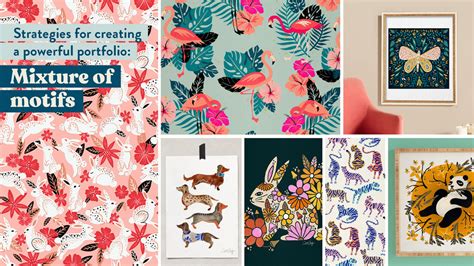
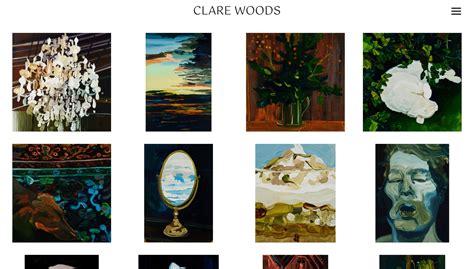
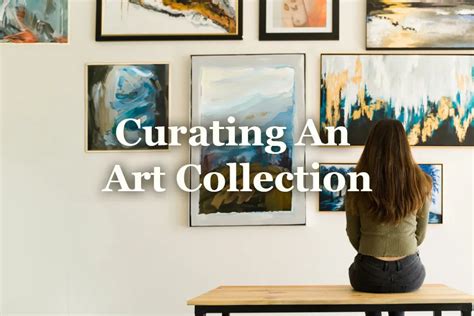
Think of your portfolio as a visual story. The order in which your pieces are presented can dramatically affect how your work is perceived. Aim for a flow that builds interest, showcases your range (within your niche), and highlights your strongest pieces strategically – perhaps starting and ending with showstoppers. Group similar works or series together to demonstrate depth and consistency.
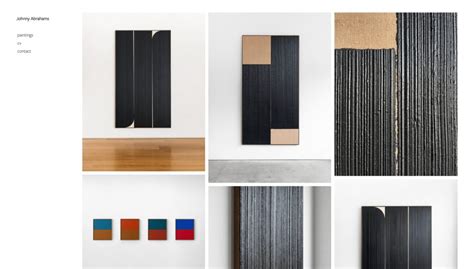
Beyond the sequence, consider the visual harmony of the presentation itself. Use high-resolution, professionally photographed or scanned images of your artwork. Consistent lighting, color accuracy, and clean backgrounds are paramount. For digital portfolios, ensure a clean, intuitive layout and a responsive design that looks great on any device. For physical portfolios, opt for high-quality prints and professional binding.
Professional Branding and Client Focus
Your portfolio is an extension of your professional brand. Ensure that your personal branding (logo, color palette, typography) is subtly integrated and consistent throughout. Include a concise artist statement and an up-to-date bio that provides context for your work and highlights relevant achievements without overshadowing the art itself.
Crucially, put yourself in the client’s shoes. What questions might they have? What information would make their decision easier? Clearly label each artwork with title, medium, dimensions, and year. If applicable, mention specific project contexts or commissions. Make it easy for clients to contact you by prominently displaying your contact information.

Maintaining and Evolving Your Portfolio
A professional portfolio is not a static entity; it’s a living, breathing document that evolves with your artistic practice. Regularly review your portfolio, at least once a year, to ensure it still accurately represents your current style, skills, and career goals. Remove older works that no longer align with your artistic direction and replace them with newer, stronger pieces.
Seek feedback from trusted peers, mentors, or even art consultants. An outside perspective can offer valuable insights into how your portfolio is perceived and areas where it might be strengthened for maximum impact. Continuous refinement ensures your portfolio remains a powerful and elegant tool for attracting the right opportunities.
Conclusion
Curating a professional artist portfolio for elegant artistry and maximum client impact is an art form in itself. It requires intentional selection, thoughtful sequencing, impeccable presentation, and a client-centric approach. By focusing on quality, coherence, and professional branding, your portfolio will not only showcase your unique talent but also powerfully communicate your value, opening doors to new opportunities and establishing your reputation as a serious, compelling artist.