



How to curate work to truly enhance artistry & define elegance in an artist portfolio?

The Art of Intentional Curation: Beyond a Collection of Works
An artist’s portfolio is far more than a mere compilation of artworks; it is a meticulously crafted narrative, a statement of artistic intent, and a crucial professional tool. To truly enhance your artistry and define elegance, the curation process must be thoughtful, strategic, and deeply personal. It’s about presenting your work in a way that resonates with your unique voice, showcases your highest skill, and leaves a lasting, sophisticated impression.
Understanding Your Core Artistic Identity
Before selecting a single piece, take time to reflect on your artistic identity. What themes consistently emerge in your work? What message do you want to convey? What emotions do you evoke? A clear understanding of your core vision will serve as a compass for every curatorial decision, ensuring every piece selected contributes to a coherent and compelling story.
Consider your target audience and the specific goals for your portfolio. Are you seeking gallery representation, commissions, or a specific type of client? Tailoring your selection to these objectives ensures relevance and impact.
Strategic Selection: Quality Over Quantity
Elegance in a portfolio often stems from restraint. Rather than including every piece you’ve ever created, focus on showcasing only your strongest, most representative work. The goal is to demonstrate consistency in your unique style, technical mastery, and artistic growth.
- Your Best Work: Prioritize pieces that genuinely excite you and represent your peak artistic achievements.
- Cohesion: While variety can be good, ensure there’s a thread that connects the selected pieces, whether through theme, technique, or emotional impact.
- Relevance: If your portfolio has a specific purpose (e.g., applying for a specific residency), select works most pertinent to that opportunity.
- Freshness: Include recent works that reflect your current artistic direction and evolution.

Defining Elegance Through Impeccable Presentation
The presentation of your artwork is just as critical as the artwork itself. Elegance is not just in what you show, but how you show it.
High-Resolution Imagery and Digital Presentation
For digital portfolios, high-resolution, professionally lit photographs of your work are non-negotiable. Ensure colors are accurate, details are crisp, and there are no distracting backgrounds. Crop images cleanly and consistently. For 3D work, consider multiple angles or short video clips.
Clean Layout and Professional Design
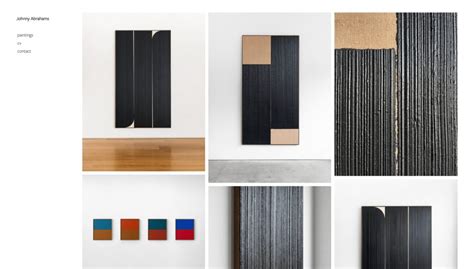
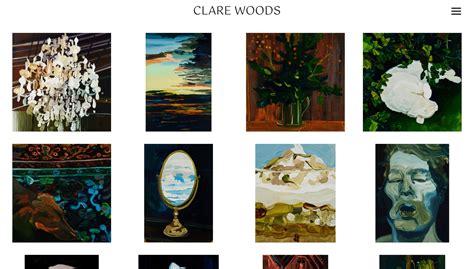
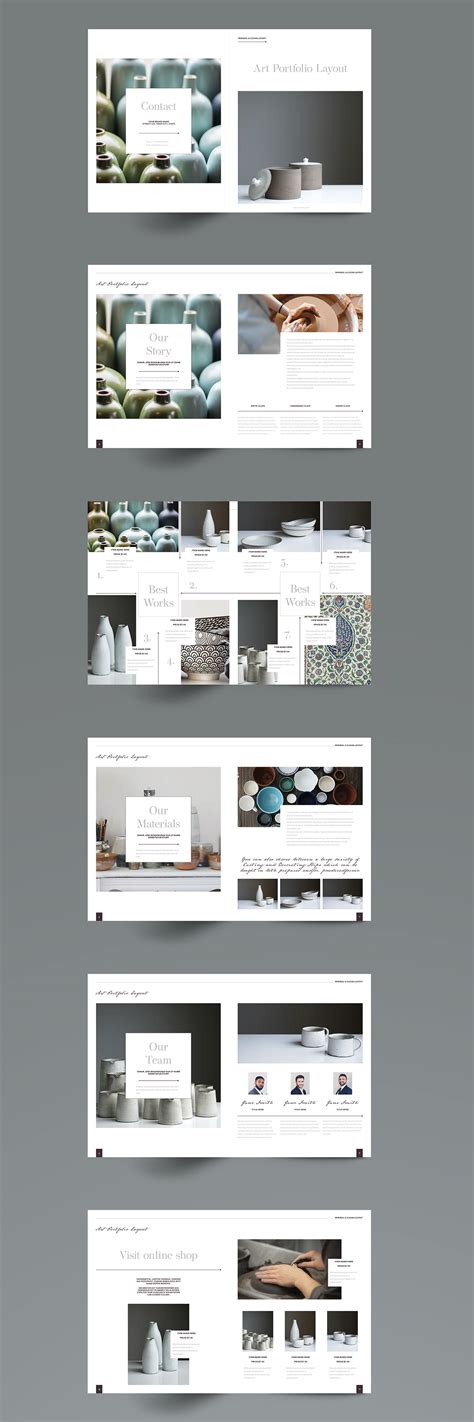
Whether online or in print, a clean, uncluttered layout speaks volumes. Utilize ample white space to give each piece room to breathe. Choose a minimalist design that complements your art without overpowering it. Consistent branding, professional fonts, and easy navigation contribute significantly to a polished, elegant experience.
Crafting Compelling Narratives: Artist Statements & Descriptions
Your portfolio should not only be a visual feast but also an intellectual one. Succinct and engaging written components enhance the viewer’s understanding and appreciation of your work.
- Artist Statement: A concise (100-200 words) statement articulating your artistic philosophy, influences, and the core ideas behind your practice. It should be authentic and reflective of your work.
- Artwork Descriptions: For each piece, provide essential details such as title, medium, dimensions, and year of creation. Optionally, include a brief, insightful description (1-2 sentences) about the inspiration, process, or conceptual framework. Avoid jargon; aim for clarity and intrigue.
The Continuous Process of Refinement and Feedback
A professional artist’s portfolio is a living document, evolving as your art practice does. Regularly review and update your portfolio. Remove older works that no longer represent your current skill level or artistic direction, and integrate new, strong pieces.
Seek constructive feedback from trusted mentors, peers, or art professionals. An outside perspective can reveal blind spots and offer valuable insights into how your work is perceived. Embrace critiques as opportunities for growth and further refinement of your presentation.
Conclusion: Your Portfolio as an Artistic Masterpiece
Curating a portfolio to truly enhance artistry and define elegance is an artistic endeavor in itself. It requires self-awareness, strategic decision-making, meticulous attention to detail, and a commitment to continuous improvement. By approaching this task with the same passion and precision you bring to your art, you will create a powerful, elegant representation that not only opens doors but also authentically reflects the depth and sophistication of your artistic voice.