



How to curate your Pro Artist Portfolio for maximum elegance & client impact?
The Cornerstone of Your Artistic Career
For professional artists, a portfolio is far more than just a collection of work; it’s a powerful marketing tool, a testament to your skills, and often the first impression a potential client or gallery will have. An elegantly curated portfolio not only showcases your artistic prowess but also communicates your professionalism and unique vision, directly influencing your ability to secure desired projects and opportunities. Maximizing its elegance and client impact involves a strategic approach to selection, presentation, and storytelling.
It’s about making deliberate choices that highlight your strengths, speak to your target audience, and ultimately, leave a lasting, positive impression. Every piece, every detail, must serve a purpose in constructing a compelling narrative around your artistic brand.
Curating for Quality: Less is Truly More
The cardinal rule of portfolio curation is quality over quantity. Resist the urge to include every piece you’ve ever created. Instead, focus on your absolute strongest, most representative works that align with the type of commissions or roles you aspire to land. A lean, impactful portfolio of 10-20 exceptional pieces will always outperform a sprawling collection of mediocre ones.
- Be Selective: Choose pieces that demonstrate your best technical skills, unique style, and conceptual depth.
- Show Relevance: Ensure the work aligns with the interests of your target clients. If you want illustration work, feature illustrations.
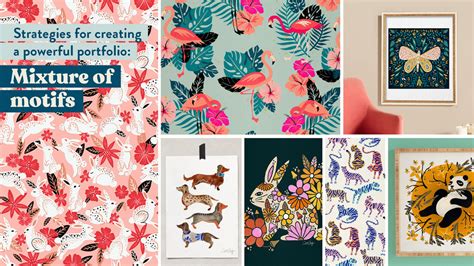
- Variety Within Focus: Showcase your range within your chosen niche without diluting your signature style. For instance, if you’re a portrait artist, show diverse subjects or mediums, but keep the focus on portraiture.
The Power of Storytelling: Beyond Just Images
An elegant portfolio doesn’t just display art; it tells a story. Each piece should be accompanied by concise, engaging descriptions that provide context. What was the inspiration? What problem did it solve for a client? What techniques were used? This narrative element transforms your portfolio from a mere gallery into a compelling journey through your creative process and achievements.

Consider including case studies for commissioned projects. Detail the client’s initial brief, your creative process, challenges overcome, and the successful outcome. This demonstrates not only your artistic skill but also your professionalism, problem-solving abilities, and collaborative spirit – qualities highly valued by clients.
Seamless Presentation & User Experience
The medium through which your portfolio is presented is as crucial as the art itself. A professional, user-friendly platform is non-negotiable. Whether it’s a dedicated website, a high-quality PDF, or a beautifully printed book, ensure it reflects the elegance of your work.
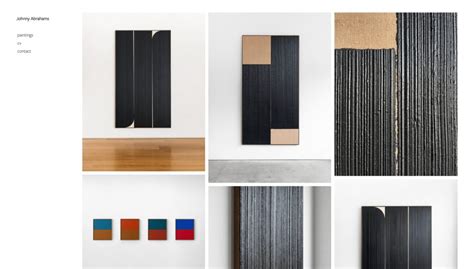
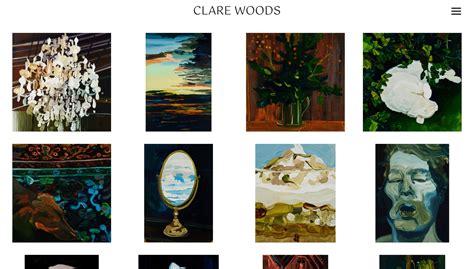
- Website First: A clean, well-designed website with easy navigation is often the best choice for digital portfolios. Optimize for mobile viewing.
- High-Resolution Imagery: Present your work in the best possible light with crisp, high-resolution images. Pay attention to lighting and framing if photographing physical art.
- Consistent Branding: Your portfolio should have a cohesive aesthetic that mirrors your artistic brand. Use consistent fonts, colors, and layouts.
- Contact Information: Make it incredibly easy for potential clients to contact you. Include clear contact details on every page or section.

Continuous Refinement: A Living Document
Your portfolio is not a static entity; it’s a living, breathing representation of your evolving artistic journey. Regularly review and update your portfolio. Remove older, weaker pieces and replace them with new, stronger work that better reflects your current skills and artistic direction. Solicit feedback from trusted peers, mentors, or even potential clients to gain fresh perspectives on its impact and clarity.
Staying current with trends in your industry and refining your presentation based on audience reception will ensure your portfolio remains fresh, relevant, and consistently impactful.
Conclusion
Curating a professional artist portfolio for maximum elegance and client impact is an ongoing, deliberate process. By prioritizing quality over quantity, embracing storytelling, ensuring seamless presentation, and committing to continuous refinement, you transform your collection of art into a powerful tool that effectively communicates your value, captivates your audience, and opens doors to new opportunities. Invest the time and thought into your portfolio; it’s an investment in your artistic future.