



How to elegantly curate Pro Artist Portfolio for maximum visual impact & refined client appeal?

The Art of Strategic Curation: More Than Just a Collection
For professional artists, a portfolio is far more than a mere collection of works; it’s a meticulously crafted narrative, a silent advocate for your talent and vision. In the competitive art world, an elegantly curated portfolio is your most powerful tool for making a strong first impression, securing high-value clients, and opening doors to coveted opportunities. It’s about presenting your best work in a way that resonates deeply with your target audience, demonstrating not just what you do, but who you are as an artist.
Define Your Artistic Narrative and Audience
Before selecting a single piece, clarify your artistic identity and the message you wish to convey. What is your unique style, your core specialization, or the overarching theme that ties your work together? Your portfolio should be a cohesive statement, not a disparate jumble. Equally important is understanding your ideal client: are you targeting galleries, commercial clients, private collectors, or art directors? Each audience has different expectations and priorities, and a tailored approach will yield far better results.
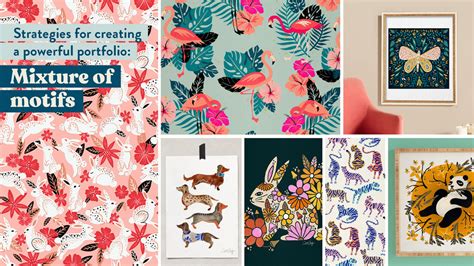
For instance, a gallery might seek stylistic consistency and conceptual depth, while a commercial client might prioritize versatility, project relevance, and a proven track record. By clearly defining your narrative and audience, you lay the groundwork for a portfolio that speaks directly to the right people.

Embrace Selective Curation: Quality Over Quantity
The cardinal rule of an impactful portfolio is selectivity. Resist the urge to include every piece you’ve ever created. Instead, focus relentlessly on presenting only your strongest, most representative works – those that best showcase your skills, style, and potential. A portfolio of 10-20 truly exceptional pieces is far more effective than 50 mediocre ones. Each piece should earn its place, contributing to the overall strength and narrative flow.
Consider the sequencing of your work. Arrange pieces to create visual interest and a compelling journey for the viewer. You might start with a strong hook, transition through key themes or technical showcases, and conclude with another powerful statement. Think about how one piece leads to the next and what impression the overall flow leaves.
Prioritize Impeccable Presentation and Detail
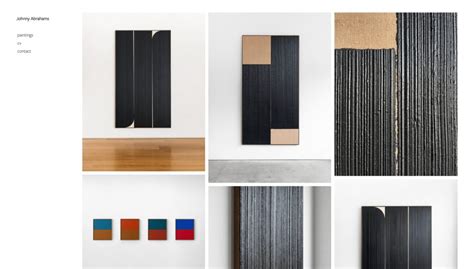
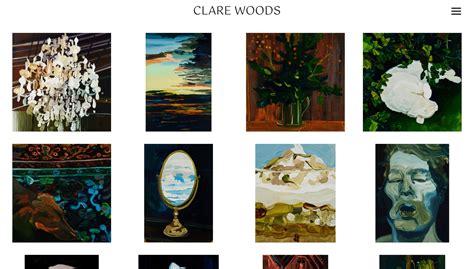
No matter how brilliant your art, poor presentation can severely diminish its perceived value. For digital portfolios, this means high-resolution, perfectly color-corrected images taken under consistent, professional lighting. Ensure that photos of your 3D work are taken from flattering angles and against neutral backgrounds. For physical portfolios, invest in premium materials, such as high-quality paper, professional printing, and a clean, minimalist binding.
Accompany each artwork with concise, professional details: title, medium, dimensions, and year of creation. If a brief artist statement or context enhances understanding without being verbose, include it. Flawless presentation demonstrates professionalism and respect for your craft and your client’s time.
Strategic Context and Refined Client Appeal
Beyond the artwork itself, strategic supplementary materials can significantly enhance your portfolio’s appeal. A concise artist statement that articulates your vision and process, relevant client testimonials, or select press mentions can build credibility and trust. These elements provide context and reinforce your professional standing, making your portfolio more than just a visual display – it becomes a comprehensive professional package.
Crucially, make it effortless for potential clients to engage with you. Include clear contact information, a link to your professional website, and clear calls to action (e.g., “Available for commissions,” “Exhibition inquiries welcome”). A frictionless experience from viewing to contact is vital for converting interest into opportunity.

Optimizing Digital and Physical Portfolio Formats
In today’s hybrid world, a robust online presence is non-negotiable. Your professional website serves as your primary digital portfolio, offering global reach and dynamic presentation capabilities. Ensure it is mobile-responsive, intuitively navigable, and reflects your brand identity. Optimize images for fast loading times without sacrificing quality.
However, the impact of a physical portfolio or a high-quality tablet presentation for in-person meetings should not be underestimated. The tactile experience of handling a beautifully printed book or interacting with a sleek digital presentation can forge a stronger, more memorable connection with a client. Tailor the format to the specific interaction and client.

Continuous Review and Refinement
Your artistic journey is one of constant evolution, and your portfolio should reflect that growth. Make it a practice to regularly review and update your portfolio. Remove older pieces that no longer represent your current skill level or artistic direction, and integrate new works that showcase your latest achievements and stylistic advancements. Seeking feedback from trusted peers, mentors, or even gallerists can provide invaluable insights, helping you identify areas for improvement or discover overlooked strengths.

Conclusion
Curating a professional artist portfolio is an ongoing strategic endeavor. By focusing on defining your narrative, practicing ruthless selectivity, prioritizing impeccable presentation, and strategically contextualizing your work, you transform your portfolio into a powerful magnet for discerning clients and exciting opportunities. An elegantly presented portfolio doesn’t just display your art; it boldly articulates your value, establishing you as a serious professional ready for the next level of your artistic career.