




How to elicit detailed reviews that capture our products’ artistry and elegant craftsmanship?

Unlocking the Nuances: Why Detailed Reviews Matter for Artisanal Goods
For brands dedicated to artistry and elegant craftsmanship, a simple star rating often falls short of capturing the true essence of their products. Our creations aren’t just functional; they are stories, experiences, and testaments to meticulous skill. Eliciting reviews that articulate these qualitative aspects is paramount for attracting discerning customers and building a brand reputation that truly reflects our values.

Setting the Stage: Educating Before the Purchase
The journey to a detailed review begins long before a customer even clicks “add to cart.” By enriching the pre-purchase experience, we can subtly guide customers on what to look for and appreciate.
Craft Compelling Product Descriptions
- Highlight the “How” and the “Why”: Beyond features, describe the materials’ origin, the techniques employed, the artisan’s philosophy, and the time invested. Use evocative language that speaks to texture, form, and sensory experience.
- Storytelling Elements: Share the narrative behind the product. Is there a heritage technique involved? A unique inspiration? This creates an emotional connection that customers are more likely to echo in their reviews.
- Visual Storytelling: High-resolution images and videos showcasing intricate details, the making process, and the product in various elegant settings can set a high bar for appreciation.
Educate Through Content Marketing
Blogs, social media posts, and newsletters can delve deeper into your brand’s commitment to craftsmanship. Explain what makes a certain material superior, demonstrate a complex joinery technique, or introduce the skilled hands behind the creation. This empowers customers with the vocabulary and understanding to articulate their admiration.

The Art of the Ask: Prompting Thoughtful Feedback Post-Purchase
Once a customer has received and experienced your product, the way you solicit feedback significantly impacts its depth and quality.
Timing and Personalization are Key
- Optimal Timing: Send review requests after the customer has had sufficient time to engage with the product – not immediately upon delivery, but after they’ve lived with it for a while. This allows for genuine experience to form.
- Personalized Outreach: A generic email often yields generic results. Address the customer by name and reference their specific purchase. Make them feel valued, not just another data point.
Crafting Specific, Open-Ended Questions
Instead of “Are you happy with your purchase?”, ask questions that encourage descriptive responses:
- “What aspect of the [Product Name]’s craftsmanship stands out most to you?”
- “How does the quality of the materials enhance your experience with this piece?”
- “Did any particular detail or design element surprise or delight you?”
- “In what ways does this product reflect the artistry you expected (or exceeded)?”
- “Could you share how this piece integrates into your lifestyle or home aesthetic?”
These prompts guide reviewers towards specific features related to artistry and craftsmanship, providing a framework for their detailed feedback.

Making it Effortless and Rewarding
Even with perfect prompts, friction in the review process can deter detailed responses.
Streamlined Review Platforms
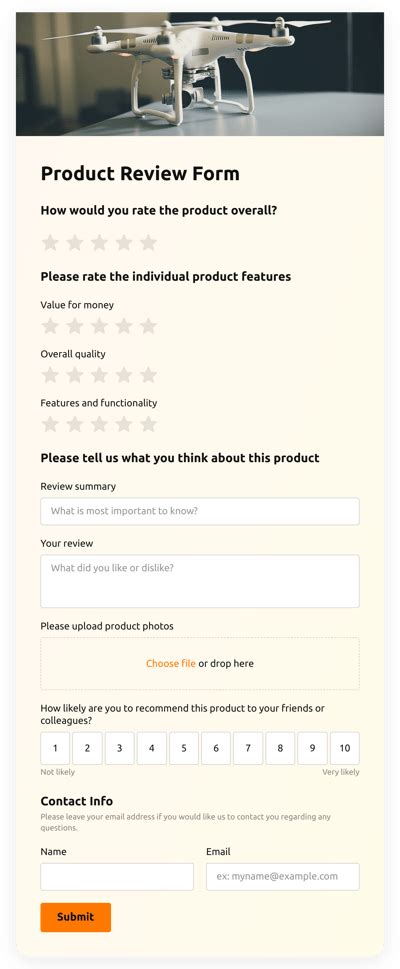
Ensure your chosen review platform is intuitive and mobile-friendly. A complicated form or a clunky interface will lead to abandonment or superficial responses.
Thoughtful Incentives (Use Sparingly)
While direct payment for reviews is unethical, subtle appreciation can encourage participation. A small discount on a future purchase, entry into a prize draw for a unique branded item, or even a personalized thank-you note for detailed reviews can be effective. Emphasize that the incentive is for their time and valuable perspective, not for a positive review.
Showcase and Amplify
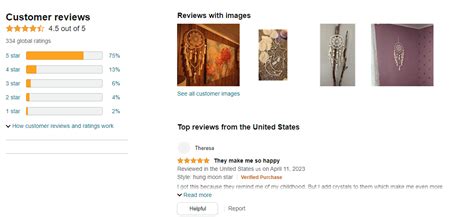
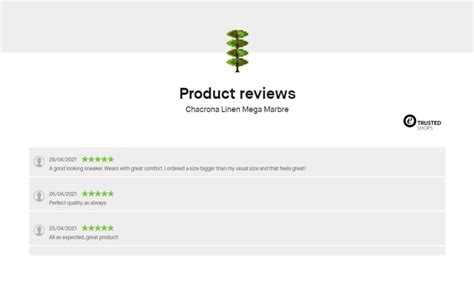
Publicly acknowledging and showcasing detailed, eloquent reviews not only validates the reviewer but also sets a benchmark for future feedback. Highlight exceptional reviews on your product pages, social media, and in marketing materials. This demonstrates that their effort is seen and appreciated.

Leveraging Feedback for Growth and Authenticity
Detailed reviews are not just marketing tools; they are invaluable insights.
Engage and Respond
Respond to reviews, especially the detailed ones. Thank customers for their thoughtful input, and if applicable, address any feedback constructively. This shows you’re listening and value their perspective, fostering a loyal community.
Inform Product Development and Marketing
Analyze recurring themes in detailed reviews. Are customers consistently praising a specific finish, material, or design element? Use this information to refine your product offerings, improve future designs, and hone your marketing messages to resonate more deeply with your target audience.

Conclusion: Cultivating a Culture of Appreciation
Eliciting detailed reviews for artisanal products is an ongoing process of education, thoughtful engagement, and genuine appreciation. By focusing on storytelling, asking the right questions, and creating an effortless feedback experience, we can empower our customers to become eloquent ambassadors, beautifully articulating the artistry and elegant craftsmanship that defines our brand. These rich testimonials not only validate our work but also serve as powerful social proof, drawing in others who value true quality and dedication.