



How to elicit reviews that detail exquisite craftsmanship and elegant design?

In a marketplace saturated with options, products that stand out often do so not just by their functionality, but by their inherent beauty, the quality of their make, and the thoughtful details that speak volumes. For businesses creating items where exquisite craftsmanship and elegant design are core selling points, generic “five-star” ratings fall short. What you need are reviews that articulate the very essence of what makes your product special, delving into the tactile feel, the visual harmony, and the meticulous attention to detail. This guide will equip you with strategies to inspire customers to provide exactly that kind of rich, descriptive feedback.
Why Detailed Reviews on Craftsmanship Matter
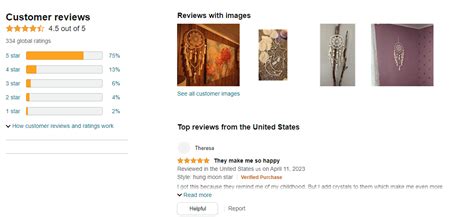
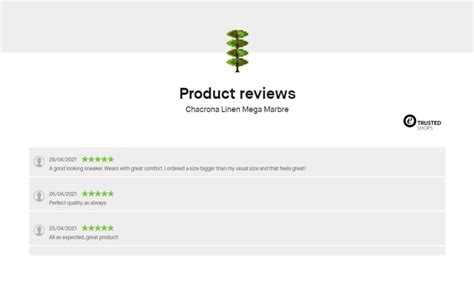
Generic reviews are good for social proof, but specific testimonials regarding design and craftsmanship elevate your brand’s narrative. Such reviews provide potential buyers with a deeper understanding of the product’s value beyond its basic utility. They highlight the artistry, the material quality, and the aesthetic appeal, speaking directly to discerning customers who prioritize these attributes. These detailed accounts build trust, differentiate your product from competitors, and often justify a premium price point by showcasing the true value embedded in every piece.

Cultivating a Culture of Appreciation Pre-Purchase
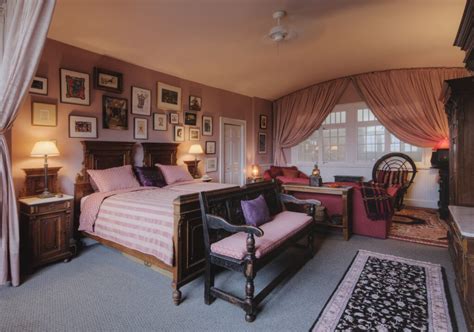
The journey to eliciting detailed reviews begins long before the purchase. Your product descriptions, high-quality imagery, and brand storytelling should already be emphasizing the unique design elements, the materials used, and the handcrafted aspects. Use terms like “precision-engineered,” “sustainably sourced wood,” “hand-polished finish,” or “intricately woven pattern” to educate customers on what to look for. When customers are already attuned to these details, they are more likely to notice and comment on them post-purchase.
Consider creating blog posts or videos that showcase the design process, the artisans involved, or the origin of your materials. This pre-exposure helps customers develop an appreciation for the work that goes into your products, priming them to articulate their observations in reviews.
Strategic Timing and Personalized Requests
When to Ask for a Review
Timing is crucial. For products requiring some interaction or use to appreciate their details, wait a reasonable period after delivery—enough time for the customer to truly experience the item. This might be a few days for a decorative piece or a few weeks for something like furniture or apparel that needs to be lived with. Sending a request too soon might result in superficial feedback.
Crafting Your Review Invitation
Move beyond generic “Rate your purchase” emails. Personalize your requests as much as possible, perhaps referencing the specific product they bought. Frame your request by explicitly asking for feedback on the elements you wish to highlight: “We’d love to hear your thoughts on the unique design and the quality of craftsmanship of your new [Product Name].”

Guiding Customers with Specific Prompts
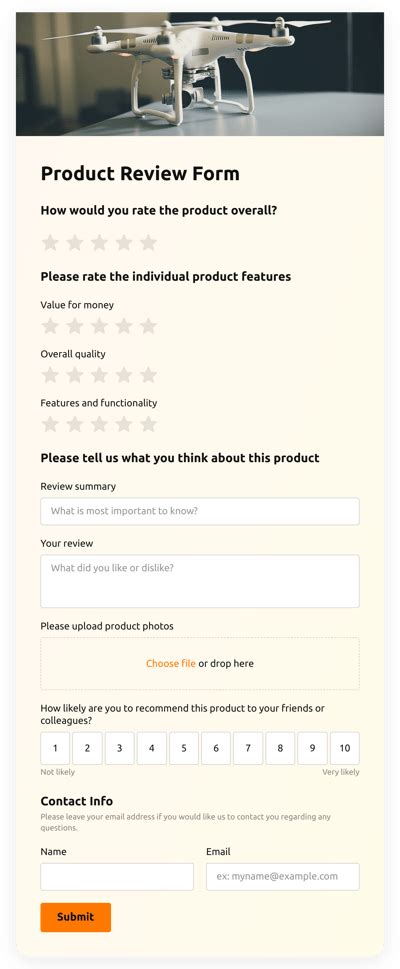
The most effective way to get detailed reviews is to ask targeted questions. Instead of an open-ended “What did you think?”, use prompts that encourage customers to reflect on design and craftsmanship. You can incorporate these directly into your review forms or email requests.
- “What specific design elements stood out to you?”
- “How would you describe the quality and feel of the materials?”
- “Did the craftsmanship meet or exceed your expectations?”
- “How does the product’s aesthetic contribute to its overall appeal?”
- “Are there any subtle details you particularly appreciate?”
Providing a few examples of previous detailed reviews can also serve as inspiration, showing customers the kind of feedback that is truly valuable to you and future buyers.
Making the Review Process Effortless and Rewarding
A complicated review process is a barrier. Ensure your review platform is user-friendly, mobile-responsive, and requires minimal steps. Offer optional fields for uploading photos or videos, as visual proof can amplify the impact of their written words and showcase design details even further.
While incentives should be used cautiously to maintain authenticity, a small, non-contingent token of appreciation (e.g., a discount on a future purchase for *any* review, not just a positive one) can increase participation. However, never offer incentives conditional on the *content* of the review, as this compromises trust and regulatory compliance.

Leveraging and Responding to Feedback
Once you start receiving these rich reviews, make sure to highlight them. Feature them prominently on product pages, in marketing materials, and on social media. This not only provides social proof but also reinforces to other customers what kind of feedback is valued. Responding thoughtfully to reviews, both positive and constructive, shows that you’re engaged and that their opinions matter, encouraging more detailed submissions in the future.
A simple “Thank you for noticing the hand-polished finish; our artisans dedicate hours to achieving that glow!” can go a long way in fostering a community that appreciates and articulate craftsmanship.

Conclusion
Eliciting reviews that eloquently describe exquisite craftsmanship and elegant design is an art and a science. It requires a holistic approach, starting from how you present your product, through the timing and phrasing of your requests, to how you engage with the feedback. By guiding your customers with specific prompts, making the process seamless, and appreciating their detailed input, you can transform generic star ratings into powerful narratives that truly capture the essence and value of your beautifully made products.