



How to encourage detailed reviews showcasing artisanal quality & elegant design?

In a marketplace saturated with mass-produced goods, products that boast artisanal quality and elegant design stand apart. However, merely stating these attributes isn’t enough; potential customers seek authentic validation. Detailed customer reviews, rich with specific observations, serve as powerful testimonials, bridging the gap between a brand’s claims and a buyer’s trust. For businesses focused on craftsmanship and aesthetics, cultivating these nuanced reviews is not just good practice, it’s essential for storytelling and differentiation.
The Power of Specificity in Reviews
Unlike generic “good product” comments, detailed reviews delve into the ‘why’ and ‘how,’ articulating the tangible and intangible aspects that define artisanal excellence and elegant design. They highlight the texture of a hand-stitched leather bag, the balance of a perfectly weighted ceramic mug, or the subtle curve that makes a piece of furniture unique. Such specificity not only validates the product’s quality but also helps prospective buyers visualize and appreciate the item’s unique characteristics, fostering a deeper connection before purchase.

Strategies for Eliciting Detailed Feedback
1. Educate Your Customers on What to Notice
Before asking for a review, gently guide your customers on what constitutes artisanal quality and elegant design in your specific product category. This can be done through product descriptions, blog posts, or even small inserts in your packaging. Highlight key features, materials, and design philosophies. When customers know what makes your product special, they’re better equipped to articulate their appreciation.
2. Craft Targeted Review Prompts
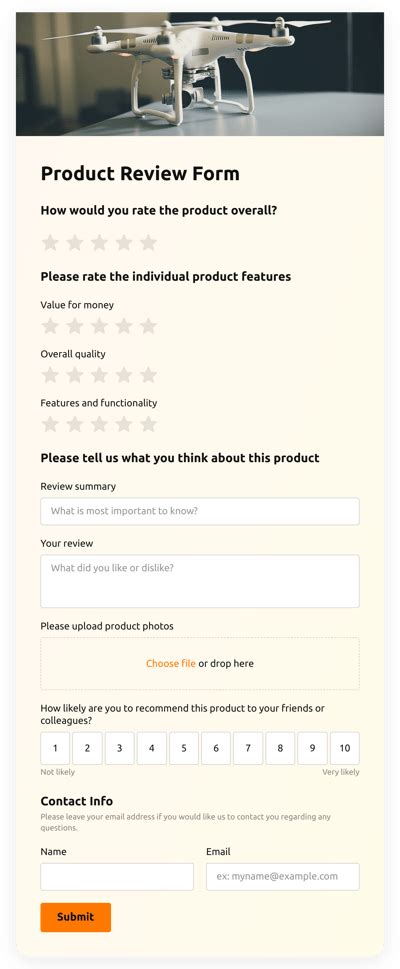
Generic “How was your experience?” questions yield generic answers. Instead, use specific prompts that encourage elaboration on design and craftsmanship. Consider questions like:
- “What specific design element first caught your eye?”
- “How does the quality of the material feel or perform compared to others?”
- “Can you describe how the artisanal details enhance its functionality or aesthetics?”
- “What unique characteristics of its design stand out to you?”
- “How does this product fit into your lifestyle or home decor?”
These questions can be integrated directly into your review request emails or review platform interface.
3. Incentivize Thoughtful Contributions
While not every customer needs an incentive, a well-placed reward can encourage deeper engagement. Offer a small discount on a future purchase, entry into a contest, or a special gift for the most detailed and insightful reviews. Clearly state that the incentive is for quality of review, not just any review. This encourages customers to invest time in their feedback.
4. Make it Easy and Visually Rich
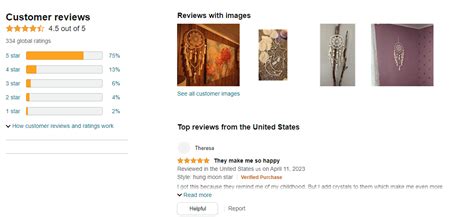
A frictionless review process is paramount. Use user-friendly platforms that allow customers to easily write text, upload high-quality photos, and even record short videos. Visuals are incredibly powerful for showcasing design and quality. Encourage customers to share photos of the product in their own environment, highlighting how it complements their style or space.

5. Showcase and Amplify Excellent Reviews
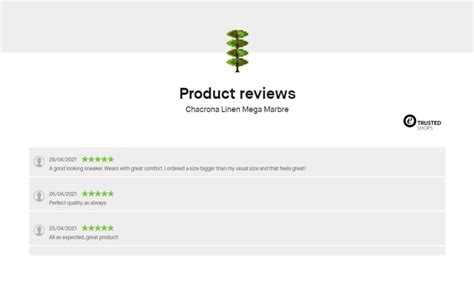
When you receive a truly outstanding, detailed review, don’t let it languish. Feature it prominently on your product pages, dedicated testimonials section, social media channels, and email newsletters. Publicly appreciating these reviews not only highlights your products but also signals to other customers the kind of feedback you value, inspiring them to contribute similarly.
6. Personalized Follow-up and Engagement
Engage directly with customers who leave reviews, especially detailed ones. A personalized “thank you” or a response that addresses their specific points reinforces their value to your brand. This interaction can deepen brand loyalty and encourage repeat purchases and further detailed feedback in the future.

Leveraging Technology for Richer Insights
Modern review platforms like Yotpo, Loox, and Stamped.io offer features designed to capture rich, user-generated content. Look for platforms that support:
- Customizable review forms with specific prompts.
- Photo and video uploads from customers.
- Q&A sections where users can ask and answer questions.
- AI-powered sentiment analysis to identify common themes (e.g., mentions of “craftsmanship,” “unique design,” “durability”).
By integrating these technologies, brands can not only streamline the review collection process but also analyze feedback more effectively to refine products and marketing messages.

Conclusion
Encouraging detailed reviews for products defined by artisanal quality and elegant design is an investment in your brand’s narrative and reputation. By educating your audience, asking the right questions, providing incentives, simplifying the process, and celebrating valuable feedback, you transform passive purchasers into passionate advocates. These rich, authentic testimonials become your most compelling marketing assets, validating your craftsmanship and resonating deeply with discerning customers.