



How to enhance portfolio presentation for elegance & impact, attracting ideal clients?

Beyond the Artwork: The Art of Presentation
For professional artists, a portfolio is more than just a collection of work; it’s a powerful marketing tool, your silent ambassador that speaks volumes before you even utter a word. In a competitive landscape, merely having exceptional art isn’t enough. The way you present that art—with elegance, clarity, and impact—is paramount to attracting your ideal clients and securing coveted opportunities. This guide delves into actionable strategies to transform your portfolio from a simple showcase into a compelling experience that captivates and converts.

Strategic Curation: Quality Over Quantity
The first step to an impactful portfolio is ruthless curation. Resist the urge to include every piece you’ve ever created. Instead, select only your absolute best, most representative works that align with the type of client or project you wish to attract. Aim for consistency in style, theme, or medium, demonstrating a clear artistic voice. A portfolio with 10 stellar pieces is far more effective than one with 30 average ones. Each piece should serve a purpose, highlighting a specific skill, technique, or artistic direction that defines your professional identity.
Consider the “wow” factor. Which pieces consistently receive the most positive feedback? Which ones best exemplify your unique selling proposition? Arrange them thoughtfully, perhaps starting and ending with your strongest works to create a memorable impression.
Crafting a Visual Narrative: Flow and Cohesion
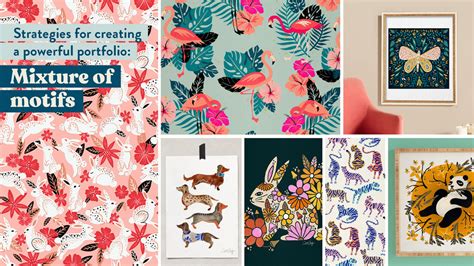
Your portfolio shouldn’t just be a gallery; it should tell a story. Think about the order of your pieces and how they relate to each other. Do they show a progression of skill, a thematic exploration, or a versatile range within your niche? A logical flow guides the viewer through your artistic journey, making the experience more engaging and less overwhelming.
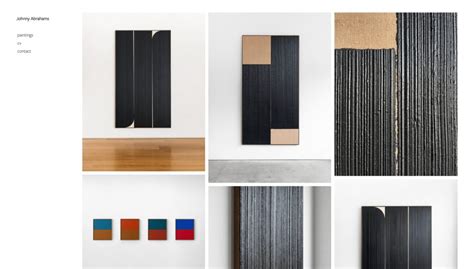
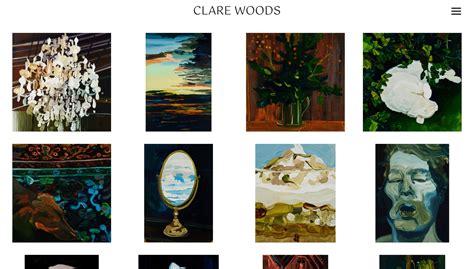
Group similar works, or create mini-series within your portfolio that demonstrate depth in a particular area. Pay attention to negative space and overall layout, whether digital or physical. A clean, uncluttered presentation allows your art to breathe and prevents visual fatigue, ensuring each piece gets the attention it deserves.

High-Fidelity Presentation: Photography and Digital Standards
For most artists, a digital portfolio is primary. High-quality photography of your physical artwork is non-negotiable. Use professional lighting, ensure accurate color representation, and crop images cleanly without distractions. For digital art, export files at optimal resolutions and formats suitable for web viewing—fast-loading yet crisp.
Consistency in image size, naming conventions, and overall digital aesthetic reflects professionalism. If showcasing a physical portfolio, invest in high-quality prints and a well-designed case. The tactile experience should match the visual excellence of your work.

The Power of Context: Descriptions and Artist Statement
While your art should speak for itself, concise and compelling descriptions can enhance its impact. For each piece, include relevant details like title, medium, dimensions, and year created. Briefly explain the concept, inspiration, or technique if it adds significant value or insight. An overarching artist statement, placed strategically, provides context for your entire body of work, articulating your philosophy, motivations, and unique approach.
Your artist statement should be concise, authentic, and resonate with the type of clients you aspire to work with. It’s an opportunity to connect with viewers on a deeper level, revealing the thoughtful mind behind the beautiful hands.

Seamless User Experience and Professional Branding
Whether it’s a website, a PDF, or a physical book, the user experience must be flawless. Your digital portfolio should be easy to navigate, mobile-responsive, and free of broken links or slow loading times. Clearly display your contact information, social media links (if relevant), and a professional bio. Incorporate consistent branding elements—colors, fonts, logo—that reflect your artistic identity across all your professional touchpoints.
A polished, consistent brand image reinforces your professionalism and trustworthiness, making you more memorable and appealing to potential clients. Remember, every interaction a client has with your brand, starting with your portfolio, contributes to their overall perception of you as an artist.

Conclusion: Your Portfolio, Your Legacy
An elegantly presented, impactful portfolio is an indispensable asset for any professional artist. By carefully curating your best work, crafting a compelling visual narrative, ensuring high-quality presentation, and reinforcing it with professional branding and clear communication, you elevate your art and your career. It’s an ongoing process of refinement, but the rewards—attracting ideal clients, securing meaningful projects, and building a reputable artistic presence—are immeasurable. Invest in your presentation, and watch your art make its mark.