




How to ensure authentic reviews reflecting product artistry & elegance?

In a marketplace saturated with products, some creations stand apart, not just for their utility but for their inherent artistry, meticulous craftsmanship, and undeniable elegance. These are the items that transcend mere function, becoming pieces of desire, conversation, and personal expression. Yet, translating this nuanced value into authentic online reviews presents a unique challenge. Standard star ratings and generic feedback often fail to capture the soul of a product designed with such deliberate grace.
For brands and consumers alike, the dilemma is clear: how do we ensure that reviews genuinely reflect the artistry, the elegance, and the exceptional quality that define these special products? The answer lies in fostering a review ecosystem that values depth, context, and a genuine appreciation for design over superficial metrics.
The Unique Language of Artistry and Elegance
Products defined by their artistry and elegance speak a different language. It’s a language of texture, finish, form, and the subtle interplay of elements that evoke emotion and admiration. A review for a mass-produced gadget might focus on battery life or processing speed, but a review for a handcrafted leather bag, a designer piece of jewelry, or a bespoke furniture item needs to delve into the tactile experience, the visual appeal, the story behind its creation, and the feeling it inspires.
The subjectivity inherent in appreciating beauty makes this even more complex. What one person finds elegant, another might overlook. The goal, therefore, is not to force universal agreement, but to encourage reviewers to articulate their personal experience and perception of these qualities in a way that resonates with potential buyers who share similar values.

Strategies for Cultivating Authentic, Reflective Reviews
To move beyond generic feedback and truly capture the essence of artisanal and elegant products, brands must implement targeted strategies that guide reviewers towards a deeper engagement.
1. Curate Your Reviewer Community
Instead of a blanket approach, consider segmenting your audience. Engage with discerning customers, design enthusiasts, or even professional critics who possess an inherent appreciation for craftsmanship and aesthetics. Offering early access or exclusive incentives to a select group known for thoughtful analysis can yield richer insights.
This isn’t about manipulating reviews, but about ensuring the product is reviewed by individuals who understand and value its core attributes, allowing them to articulate those values effectively.

2. Design Thought-Provoking Review Prompts
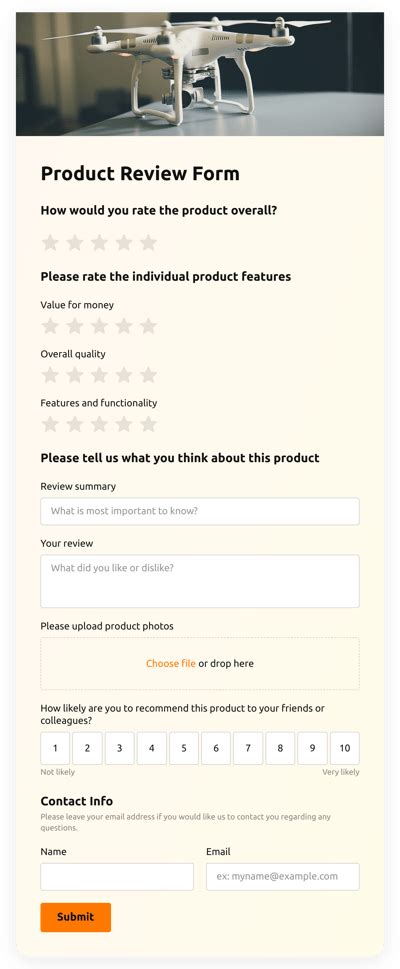
Move beyond “What did you like?” or “What didn’t you like?”. Develop specific, open-ended questions that prompt reviewers to consider the product’s unique qualities:
- “How does the texture or material feel to the touch? Describe the tactile experience.”
- “What specific design details caught your eye? How do they contribute to its overall elegance?”
- “Does the product tell a story? If so, what is it?”
- “How has this product enhanced your space or personal style?”
- “What emotions or feelings does interacting with this product evoke?”
- “Describe the craftsmanship. Are there any particular finishes or construction details you admire?”
These prompts guide reviewers away from generic statements and towards a sensory, emotional, and analytical engagement with the product.
3. Encourage Rich Visual & Experiential Content
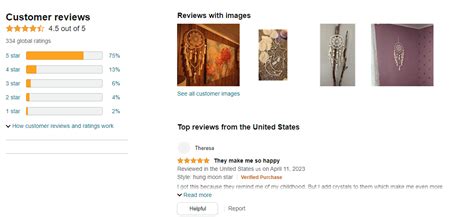
A picture, or even better, a video, is worth a thousand words, especially for visually driven products. Actively encourage reviewers to share high-quality photographs or short videos that showcase the product in its intended environment, highlighting specific details, finishes, and how it integrates into their lifestyle.
Consider features that allow users to upload multiple images, 360-degree views, or even short video clips detailing an unboxing or showing the item in use. This provides potential buyers with invaluable visual context that static text reviews often lack.

4. Foster Transparency and Authenticity
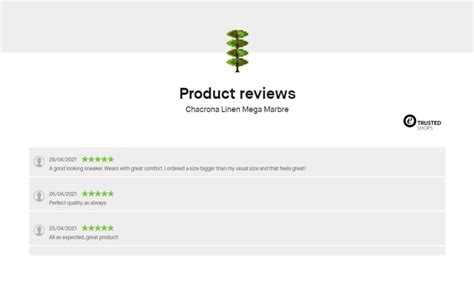
The foundation of any review system is trust. Clearly indicate “verified purchase” badges. Implement robust moderation policies that filter out spam or overtly promotional content, but allow for diverse, honest opinions – even critical ones, as long as they are constructive and specific. Engage with reviewers, thank them, and address concerns publicly if appropriate.
Transparency extends to how reviews are collected. Be upfront about any incentives offered (e.g., product samples in exchange for an honest review) to maintain credibility.
5. Build a Community Around Storytelling
Encourage reviewers to share their personal stories and connections with the product. When a review moves beyond a checklist and becomes a narrative about how an item was chosen, what it means to the owner, or how it functions in their daily life, it resonates far more deeply. Create platforms or sections where these stories can be shared and celebrated.
This approach transforms reviews from mere product evaluations into testimonials of experience, reflecting the true artistry and elegance in how they enrich lives.
Leveraging Detailed Feedback for Brand Growth
Authentic, in-depth reviews are not just for potential customers; they are a goldmine for brands. They provide qualitative data that can inform product development, marketing messaging, and even customer service strategies. Understanding why customers love a particular design element or material can guide future collections and reinforce brand identity.
When reviewers articulate the elegance or craftsmanship, it validates the brand’s vision and investment in these areas, offering powerful testimonials that can be repurposed across marketing channels.
Conclusion
Ensuring authentic reviews that truly reflect product artistry and elegance demands a thoughtful and strategic approach. By moving beyond generic metrics and cultivating a review environment that encourages detailed, sensory, and emotionally resonant feedback, brands can unlock the true value of their creations. This not only empowers consumers to make more informed decisions but also elevates the narrative around products that are, in essence, works of art.