



How to guide customers to review product design and artisanal quality?

The Art of Eliciting Meaningful Product Feedback
In today’s competitive market, understanding customer perception of your product’s design and quality is paramount. While many companies collect reviews, truly insightful feedback—especially concerning subjective aspects like design aesthetics and artisanal craftsmanship—remains a challenge to acquire. This guide explores effective strategies to empower your customers to articulate their experiences in a way that fuels product improvement and showcases your brand’s commitment to excellence.

Why Detailed Design and Quality Feedback Matters
Generic “It’s good” or “I like it” reviews offer little actionable data. For products where design is a core differentiator or artisanal quality is a key selling point, nuanced feedback is invaluable. It helps designers refine aesthetics, informs material choices, validates manufacturing processes, and allows artisans to understand the impact of their detailed work. It also builds a stronger connection with customers who feel heard and appreciated.
- Refine Product Development: Direct insights lead to better iterations.
- Validate Brand Values: Reinforces commitment to design and craftsmanship.
- Improve Customer Satisfaction: Products align better with user expectations.
- Generate Authentic Testimonials: Detailed reviews are more persuasive.
Setting the Stage: Educating Your Reviewers
Before asking for a review, consider educating your customers on what constitutes ‘good’ feedback, especially for design and quality. This doesn’t mean telling them what to say, but rather how to observe and describe their experience. You can do this through:
- Product Descriptions: Highlight key design elements and quality indicators on your product pages.
- “How to Appreciate” Guides: Offer short guides or videos that subtly point out what to look for (e.g., “Notice the seamless joinery,” “Feel the texture of the hand-finished leather”).
- Post-Purchase Communications: Include a small card with the product or an email that prompts thoughtful observation.
Crafting Effective Review Prompts and Questions
The questions you ask are crucial. Move beyond generic star ratings. Here are some categories and example prompts:
Design Aesthetics & User Experience
- “What was your first impression of the product’s appearance?”
- “Describe the overall style and how it fits into your home/lifestyle.”
- “Are there any specific design details that particularly stand out to you (positive or negative)?”
- “How intuitive or pleasing is it to use/interact with the product?”
- “Does the product’s design enhance its functionality or usability?”
Artisanal Quality & Craftsmanship
- “How would you describe the materials used? Do they feel high-quality?”
- “Examine the finish (e.g., seams, stitching, paint, sanding). What do you notice?”
- “Are there any specific handcrafted elements that caught your attention?”
- “Does the product feel sturdy and well-constructed?”
- “How does this product compare in quality to similar items you’ve owned?”

Structuring the Review Process
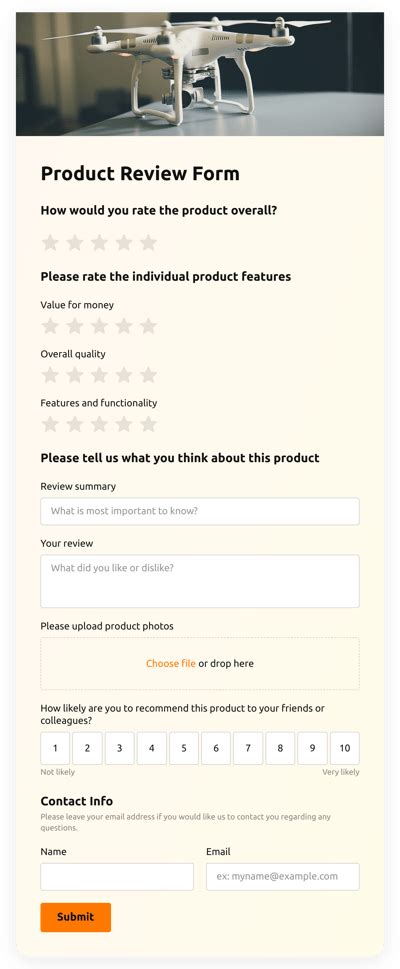
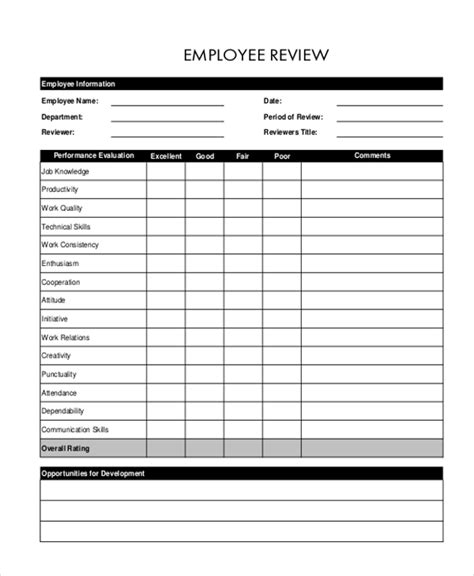
A well-structured review form can guide customers without overwhelming them.
- Categorized Sections: Group questions by ‘Design,’ ‘Quality,’ ‘Functionality,’ etc.
- Open-Ended vs. Guided: Combine specific prompts with open text boxes for free-form thoughts.
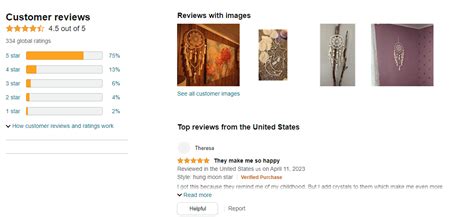
- Visual Aids: If possible, allow customers to upload photos or videos, which often convey more about design and quality than words alone. Encourage them to highlight specific areas.
- Scales for Specific Attributes: Instead of just “Overall Quality” (1-5 stars), ask for “Material Quality,” “Finish Quality,” “Ergonomics,” “Aesthetics” on separate scales.
Incentivizing Thoughtful Responses (Carefully)
While not always necessary, small incentives can encourage more detailed reviews. This could be a discount on a future purchase, entry into a drawing, or loyalty points. Be transparent about any incentives and ensure they don’t bias the feedback. The goal is depth, not just volume.
Closing the Loop: Acknowledge and Act
Show your customers their detailed feedback is valued. Acknowledge receipt of their review, especially if it’s particularly insightful. More importantly, demonstrate that you’re acting on the feedback. If a common design critique emerges, address it in a product update and communicate that change to your community. This reinforces the value of their input and encourages continued engagement.

Conclusion
Guiding customers to review product design and artisanal quality is an investment in your brand’s future. By educating them, providing targeted prompts, structuring the review process, and closing the feedback loop, you transform passive reviewers into active contributors to your product’s evolution. This not only leads to superior products but also fosters a loyal community that appreciates the thought and craftsmanship behind your offerings.