

How to guide reviews to highlight product artistry, elegance, and user experience?

Beyond Features: Emphasizing Product’s Soul
In a saturated market, a product’s success often hinges on more than just its specifications. Consumers are increasingly drawn to items that resonate with their sense of beauty, provide a seamless experience, and evoke an emotional connection. Guiding reviews to highlight product artistry, elegance, and user experience transforms them from mere listings of features into compelling narratives that capture the essence of what makes a product truly special. This approach helps potential buyers understand the deeper value, justifying premium pricing and fostering brand loyalty.
To achieve this, review guidelines must encourage a qualitative, interpretive lens rather than a purely quantitative one. It’s about empowering reviewers to articulate not just what a product does, but how it feels, how it looks, and the thoughtfulness behind its creation.

Cultivating an Eye for Artistry
Product artistry refers to the creative skill and imagination evident in a product’s design and craftsmanship. It’s about the deliberate choices made by designers and artisans. To guide reviews in this direction, encourage reviewers to consider:
- Design Philosophy: What story does the design tell? What inspirations are evident?
- Craftsmanship & Materials: Are the materials premium? How do they feel? Is the construction flawless? Highlight details like stitching, finishes, or the precision of joins.
- Form & Function Harmony: Does the aesthetic enhance the functionality, or vice versa? How do shape, color, and texture contribute to the overall appeal?
- Attention to Detail: Point out subtle design elements that reveal care and intention, such as custom hardware, unique textures, or thoughtful branding integration.
Reviewers should use evocative language, painting a picture with words to convey the artistic merit. Instead of saying ‘it looks nice,’ encourage phrases like ‘the sculpted lines suggest a timeless elegance’ or ‘the hand-finished leather speaks volumes about its artisanal quality.’
Defining and Capturing Elegance
Elegance in product design is characterized by grace, refinement, and a sophisticated simplicity. It’s often about what is omitted as much as what is included. Guiding reviews to spotlight elegance involves prompting reviewers to assess:
- Simplicity & Understatement: Does the product achieve its purpose without unnecessary embellishments? Is there a sense of effortless sophistication?
- Proportion & Balance: Are the product’s various elements harmoniously scaled? Does it feel visually balanced and pleasing?
- Refinement: Are edges smooth, transitions seamless, and components well-integrated? Does it exude a polished, high-end feel?
- Timelessness: Does the design transcend fleeting trends? Will it remain aesthetically pleasing for years to come?
Encourage reviewers to describe the emotional impact of elegance: ‘It doesn’t shout for attention, but rather commands respect through its understated beauty’ or ‘The seamless integration of components creates an uninterrupted flow, a true mark of elegant engineering.’
Illuminating the User Experience (UX)
A superior user experience elevates a product from merely functional to genuinely delightful. This goes beyond basic usability to encompass the entire interaction journey. To guide reviews effectively:
- Emotional Response: How does using the product make the reviewer feel? Is it intuitive, satisfying, frustration-free?
- Sensory Engagement: Focus on touch, sound, and visual feedback. How does the button click feel? What is the weight balance like? Is the interface visually clear and inviting?
- Flow & Interaction: Is the product easy to set up and use? Do interactions feel natural and logical? Highlight how the design facilitates a smooth, enjoyable workflow.
- Problem Solving & Delight: Does the product anticipate user needs? Does it solve a problem elegantly? Are there ‘aha!’ moments or pleasant surprises that enhance its utility?
Reviewers should share anecdotes and personal interactions: ‘The tactile feedback of the dial is incredibly satisfying, making adjustments a genuine pleasure’ or ‘From unboxing to daily use, every step felt considered and premium, a testament to thoughtful UX design.’

Practical Steps for Guiding Reviews
To successfully solicit reviews that focus on these qualitative aspects, consider the following:
- Provide Clear Prompts: Instead of generic ‘What did you like?’, ask ‘How does the design evoke a sense of luxury?’ or ‘Describe a moment where the product’s elegance truly stood out.’
- Offer Examples: Share examples of well-written reviews that successfully highlight artistry, elegance, and UX to set a benchmark.
- Educate Reviewers: Provide a brief primer on what ‘artistry’ or ‘elegance’ means in the context of your product category.
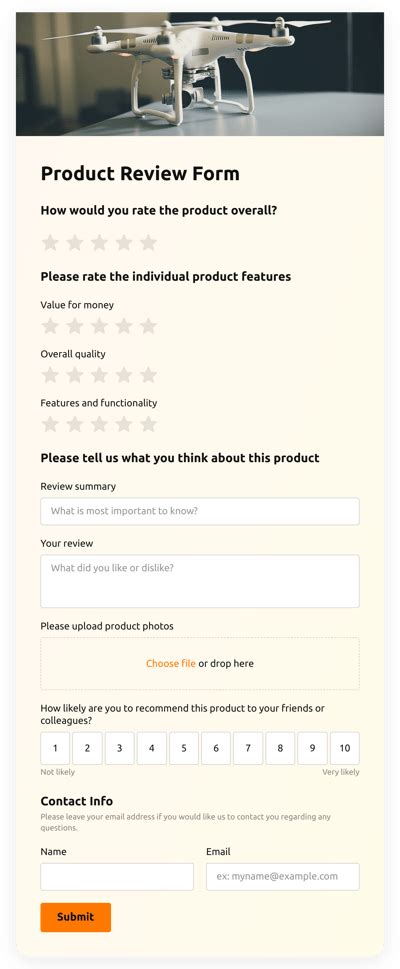
- Structure Review Forms: Include specific fields or sections dedicated to these themes, rather than just an open-ended comment box.
- Follow Up & Encourage: If a review is lacking depth, politely ask follow-up questions to prompt more detailed insights into these areas.

The Impact of Enhanced Reviews
By guiding reviews to spotlight product artistry, elegance, and user experience, you create a richer, more persuasive body of content. Such reviews don’t just inform; they inspire. They help potential customers envision themselves interacting with a product that enhances their lives, not just performs a function. This deeper level of engagement translates into increased conversion rates, stronger brand perception, and a community of customers who truly appreciate the thoughtfulness and quality behind your offerings. It shifts the narrative from mere consumption to an appreciation of crafted excellence.