




How to guide users to detail design, quality, and craftsmanship in reviews?
In the vast sea of online product reviews, superficial feedback often drowns out genuinely helpful insights. While general satisfaction is useful, truly impactful reviews delve into the nuances of a product’s detail design, inherent quality, and manufacturing craftsmanship. Guiding users to articulate these specific aspects transforms generic feedback into invaluable data for potential buyers and manufacturers alike. But how can platforms and review prompts effectively steer users towards such depth?
The Imperative for Deeper Insights
Moving beyond simple star ratings and ‘loved it’ or ‘hated it’ comments is crucial for several reasons. For consumers, detailed reviews offer a clearer picture of what to expect, helping them make more informed purchasing decisions and manage expectations. For product developers and manufacturers, specific feedback on design flaws, material choices, or assembly quality provides actionable data for iteration and improvement. Furthermore, platforms that cultivate high-quality, detailed reviews build greater trust and authority in their recommendations.
Structuring Review Prompts for Specificity
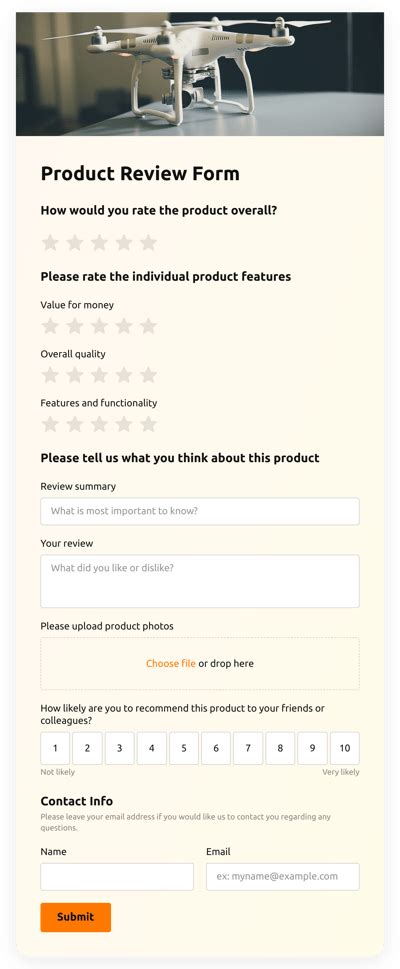
The foundation of soliciting detailed reviews lies in the questions asked. Instead of generic open-ended text boxes, employ structured prompts and targeted questions. Break down the review process into distinct sections focusing on different product attributes. For instance, categories like ‘Aesthetics & Ergonomics,’ ‘Material & Durability,’ and ‘Build Quality & Finish’ can serve as explicit sections for users to address.

Guiding Focus on Detail Design
Detail design encompasses the intentional choices made in a product’s appearance, functionality, and user experience. To guide users here, ask:
- Aesthetics: “How does the product look and feel in person compared to its images? Do specific design elements stand out, positively or negatively?”
- Ergonomics: “How comfortable is it to hold/use? Are buttons, ports, or controls intuitively placed and easy to operate?”
- Functionality Integration: “Are the design elements practical? For example, is a handle easy to grip? Does the display provide clear information?”
Assessing Quality and Materials
Quality often relates directly to the materials used and their perceived durability. Encourage users to examine:
- Material Feel: “Does the product feel premium, robust, or cheap? Describe the texture and weight.”
- Durability Indicators: “Are there any signs of wear after initial use? How do moving parts or connections feel (e.g., hinges, latches)?”
- Finish: “Is the paint, coating, or surface treatment consistent and flawless?”

Evaluating Craftsmanship
Craftsmanship speaks to the care and precision taken during manufacturing and assembly. This is where the product truly distinguishes itself. Prompt users to look for:
- Precision of Assembly: “Are seams tight and even? Do components align perfectly without gaps or misalignments?”
- Attention to Detail: “Are edges smooth and finished, or are they rough? Are fasteners (screws, rivets) neatly applied?”
- Flaws & Imperfections: “Are there any visible manufacturing defects, scratches, or blemishes?”

Leveraging Pre-set Attributes and Dropdowns
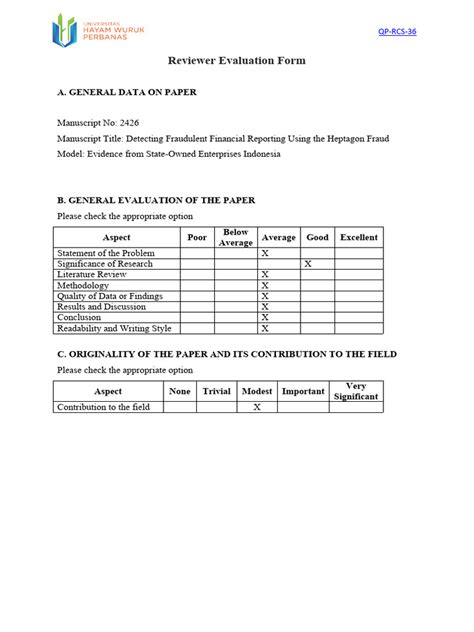
Beyond open text, use multiple-choice options or rating scales for specific attributes. For instance, a reviewer might rate ‘Seam Quality’ on a scale of 1-5, or select from options like ‘Excellent,’ ‘Good,’ ‘Fair,’ ‘Poor.’ This quantifies subjective observations and makes data aggregation easier. Conditional questions can also be powerful: if a user rates ‘Build Quality’ as ‘Poor,’ a follow-up prompt can ask, ‘What specific issues did you notice?’
Providing Examples and Encouragement
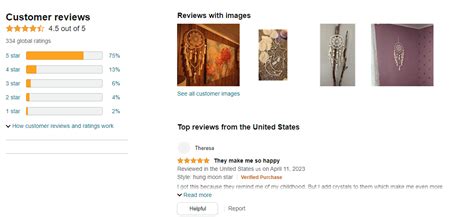
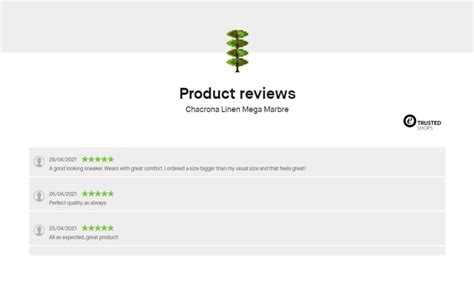
Showcasing exemplary reviews that highlight detail, quality, and craftsmanship can inspire others. Offer quick tips or ‘what to look for’ guides within the review interface. Gamification, such as badges for ‘Detailed Reviewer’ or ‘Craftsmanship Connoisseur,’ can also incentivize users to provide more thoughtful feedback. Remind users that their specific observations are invaluable to others seeking the best products.
Conclusion
Guiding users to focus on detail design, quality, and craftsmanship transforms product reviews from anecdotal opinions into comprehensive evaluations. By implementing structured prompts, targeted questions, and clear examples, platforms can cultivate a culture of thoughtful reviewing. This not only empowers consumers with richer information but also provides a critical feedback loop for manufacturers, fostering continuous improvement and a higher standard of product excellence across the board.