



How to leverage Pro Artist Portfolio for elegant curation & enhanced client conversion?
The Power of a Polished Portfolio
In the competitive art world, a professional artist portfolio is far more than just a collection of your work; it’s your most potent marketing tool. It serves as your visual resumé, your storytelling platform, and a direct gateway to potential clients. But merely having a portfolio isn’t enough; its strategic curation and presentation are what truly unlock its power to attract ideal clients and convert them into loyal patrons.
Elegant Curation: Crafting Your Visual Narrative
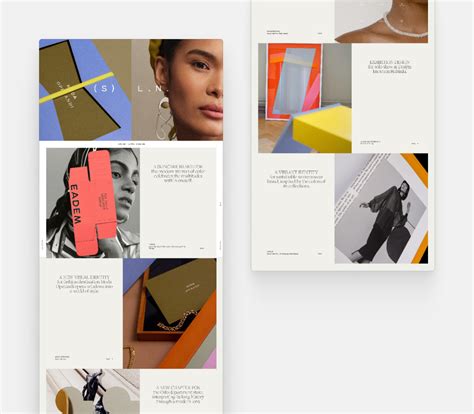
Elegant curation is about intentional selection and thoughtful arrangement. It’s not just about showcasing your ‘best’ work, but your ‘most relevant’ work that speaks to the type of projects and clients you want to attract. Consider your target audience: what visual language resonates with them? What problems can your art solve for their needs?
Quality Over Quantity
Resist the urge to include every piece you’ve ever created. A tightly edited portfolio, featuring 10-20 exceptional pieces, is far more impactful than a sprawling collection of average ones. Each piece should be a testament to your skill, style, and unique artistic voice. Think of your portfolio as a gallery exhibition – every artwork deserves its space and context.
Thematic Cohesion and Storytelling
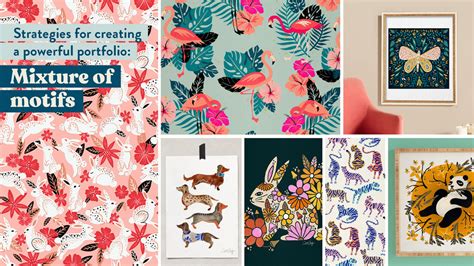
Organize your work into cohesive themes, series, or project types. This helps clients understand your range while demonstrating focus. Use accompanying descriptions to tell the story behind each piece or project: the inspiration, the process, the client’s brief (if applicable), and the outcome. This context transforms a simple image into a compelling narrative.
Designing for Impact: User Experience and Visual Appeal
Once curated, the presentation of your portfolio is paramount. A visually appealing and easy-to-navigate platform enhances the client’s experience and reflects your professionalism.
High-Quality Visuals Are Non-Negotiable
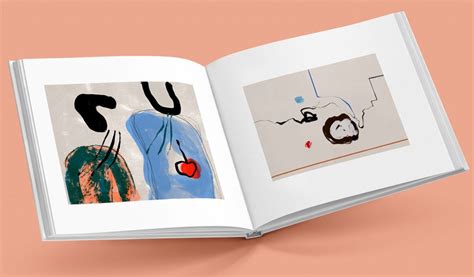
Invest in professional photography or high-resolution scans of your artwork. Poorly lit, blurry, or low-resolution images can instantly devalue even your most magnificent creations. Ensure consistent lighting and color accuracy across all images. For digital art, export in appropriate formats and resolutions.
Intuitive Navigation and Mobile Responsiveness
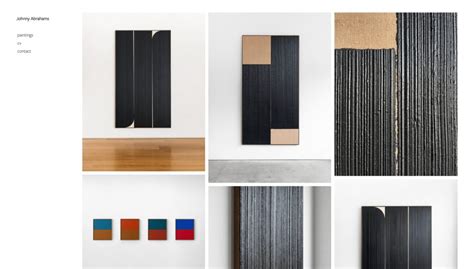
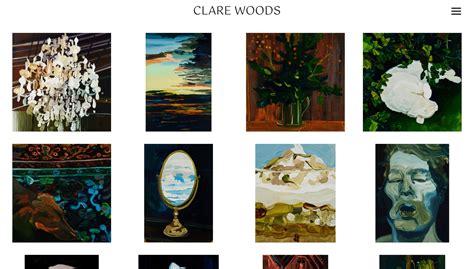
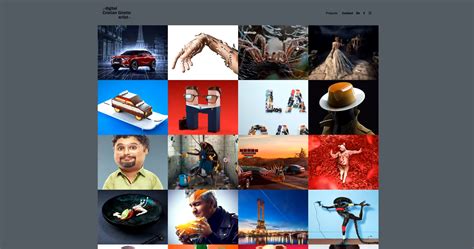
Your portfolio website should be a breeze to navigate. Clients should be able to quickly find what they’re looking for, whether by category, medium, or project type. Given that many potential clients will first encounter your work on a mobile device, ensure your portfolio is fully responsive and looks impeccable on all screen sizes.
![20 Artist Website Design Examples We Love [+ How To Make Your Own]](/images/aHR0cHM6Ly90czIubW0uYmluZy5uZXQvdGg/aWQ9T0lQLnhkV1p0amJ6NWg5MXEybjhWOXFzQ1FIYUVEJnBpZD0xNS4x.webp)
Enhanced Client Conversion: Turning Viewers into Clients
The ultimate goal of your portfolio is to secure new opportunities. Strategically integrating elements that foster trust and encourage action can significantly boost your conversion rates.
Clear Calls to Action (CTAs)
Don’t make clients guess what to do next. Integrate clear, prominent Calls to Action. Whether it’s “Contact Me for a Commission,” “View My Services,” or “Download My Rate Card,” guide them towards the next step. Place CTAs at natural breakpoints, such as after a compelling project or on your contact page.
Testimonials and Social Proof
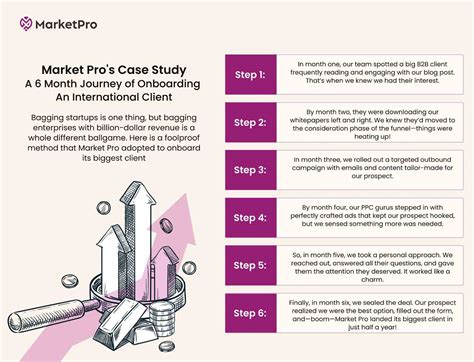
Nothing builds confidence like positive feedback from past clients. Include a dedicated section for testimonials or integrate quotes throughout your project descriptions. Case studies, outlining a client’s problem, your solution, and the positive outcome, are incredibly persuasive.
About Page and Artist Statement
Clients don’t just buy art; they invest in the artist. A well-crafted ‘About Me’ page or artist statement provides insight into your personality, values, and artistic philosophy. This personal connection can be a powerful conversion tool, helping clients feel connected to your work on a deeper level.
Leveraging Tools for Your Portfolio Success
Numerous platforms and tools can help you build and manage an exceptional portfolio. Website builders like Squarespace, WordPress (with portfolio themes), and Wix offer user-friendly interfaces with beautiful templates. Specialized portfolio platforms like Behance or ArtStation can also provide exposure within creative communities. Remember to link your portfolio across all your social media profiles and email signatures.
Conclusion
An elegantly curated and strategically presented professional artist portfolio is indispensable for navigating the modern art market. By focusing on intentional selection, high-quality presentation, and clear calls to action, you transform your portfolio from a mere showcase into a powerful client-generating machine. Invest the time and effort into perfecting this vital asset, and watch your artistic career flourish with enhanced client conversion and meaningful opportunities.