


How to optimize image presentation for an elegant, impactful Pro Artist Portfolio?
For any professional artist, your portfolio is more than just a collection of your best work; it’s your visual resume, your statement, and often, your first impression. In a competitive creative landscape, merely having great art isn’t enough – how you present it is paramount. Optimizing image presentation transforms a good portfolio into an elegant, impactful, and unforgettable experience for gallerists, clients, and collaborators.
The Foundation: Uncompromised Image Quality
The bedrock of an impactful portfolio is the quality of your images themselves. This isn’t just about the artwork, but the photograph or scan of that artwork. Ensure every piece is captured with high resolution, excellent lighting, and accurate color representation. Blurry, poorly lit, or color-shifted images immediately detract from your professionalism and dilute the power of your art.
Invest in professional photography for your physical pieces if possible, or learn best practices for shooting your own work. Natural, diffused light often works best, and a neutral background ensures your art takes center stage. For digital art, export at full resolution and consider different formats for web display versus print-ready files.

Curate with Precision: Less is Often More
An elegant portfolio isn’t just a dump of everything you’ve ever created. It’s a carefully curated selection that showcases your strengths, consistency, and unique artistic voice. Prioritize quality over quantity. Include only your strongest, most representative pieces that align with your current artistic direction and the type of opportunities you’re seeking.
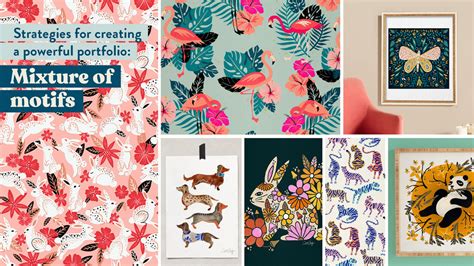
Think thematically. Can you group works that speak to each other, or show a progression of a series? A cohesive presentation demonstrates intentionality and helps viewers understand your vision without being overwhelmed.

Add Context: The Narrative Behind the Art
While images are central, accompanying text provides crucial context. Each piece should ideally have a concise description that includes the title, medium, dimensions, and year. Beyond the basics, consider a brief artist statement for your portfolio as a whole, or short narrative descriptions for individual pieces that offer insight into your process, inspiration, or conceptual framework.
Storytelling elevates your presentation. Don’t be afraid to include detail shots, process photos, or even installation views if relevant, to give viewers a deeper appreciation for your craft and the physical presence of your work. This level of detail helps convey the impact and thoughtfulness behind your creations.

Technical Finesse: Optimizing for Digital Platforms
Even the most stunning images can fall flat if they load slowly or aren’t displayed correctly across devices. Technical optimization is critical for a smooth user experience. Save images in appropriate web formats (e.g., JPG for photographs, PNG for images with transparency). Compress them to reduce file size without sacrificing visual quality, ensuring fast loading times.
Implement responsive design principles. Your portfolio should look impeccable whether viewed on a desktop monitor, a tablet, or a smartphone. Images should scale correctly, and the layout should adapt gracefully, maintaining elegance and readability across all screen sizes.
User Experience: Intuitive Navigation and Clean Design
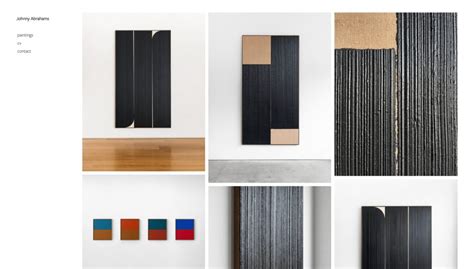
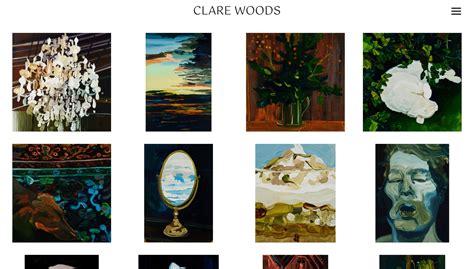
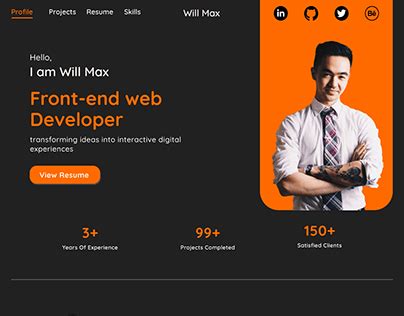
An elegant portfolio extends beyond individual images to the overall user experience. Design a clean, minimalist layout that puts your art first. Avoid busy backgrounds, clashing fonts, or excessive design elements that distract from your work. The navigation should be intuitive, allowing viewers to easily browse categories, switch between pieces, and find information.
Ensure consistency in your presentation – from image sizing and spacing to font choices and color schemes. A unified aesthetic reinforces your professional brand and demonstrates attention to detail. Test your portfolio thoroughly on various devices and browsers to catch any glitches before it goes live.

Conclusion: Your Art, Amplified
An elegant and impactful professional artist portfolio is a powerful tool, reflecting not just your artistic talent but also your professionalism and meticulousness. By focusing on uncompromised image quality, strategic curation, compelling storytelling, technical optimization, and a seamless user experience, you elevate your artwork and create a memorable impression. Your portfolio isn’t just a showcase; it’s an experience designed to resonate deeply with your audience, opening doors to new opportunities and affirming your status as a professional artist.