


How to personalize makeup tutorials for refined artistry & elegance?

Beyond Generic: Why Personalization is Key to Makeup Mastery
In a world overflowing with makeup tutorials, it’s easy to feel overwhelmed or find that a technique lauded by an influencer just doesn’t quite work for you. The truth is, makeup is deeply personal. What looks stunning on one person might not flatter another due to differences in facial structure, skin type, tone, and personal style. True artistry in makeup isn’t about replication; it’s about adaptation. Personalizing makeup tutorials transforms them from simple guides into powerful tools for enhancing your unique beauty with elegance and precision.
Understanding Your Unique Canvas: The Foundation of Personalization
Before you can adapt any tutorial, you must first intimately understand your own features. This self-assessment is the cornerstone of personalized makeup application. Consider the following:
- Skin Type and Concerns: Are you oily, dry, combination, or sensitive? Do you have acne, redness, or hyperpigmentation? This dictates product choice and application technique.
- Skin Tone and Undertone: Knowing your exact shade and whether you have cool, warm, or neutral undertones is crucial for selecting the right foundation, concealer, and even blush or eyeshadow shades.
- Face Shape: Oval, round, square, heart, or long? Your face shape influences where you apply contour, highlight, and blush to create balance and dimension.
- Eye Shape: Almond, hooded, monolids, upturned, downturned, or round? Each eye shape benefits from specific eyeshadow placements and eyeliner techniques to enhance or correct.
- Lip Shape: Full, thin, asymmetrical, or defined Cupid’s bow? Lip products can be applied to create different effects based on your natural shape.
- Brow Shape: Your natural brow shape frames your face; understanding it helps in grooming and filling techniques.
Adapting Techniques: Making Tutorials Work for YOU
Once you’ve assessed your features, you can begin to critically analyze tutorials and adapt them. Here’s how:
Customizing Foundation & Concealer
If a tutorial shows full coverage on oily skin, but you have dry skin and prefer light coverage, adapt by using a hydrating primer, a sheerer foundation, and strategic spot concealing. Pay attention to how the tutorial handles problematic areas and adjust for your own concerns.
Tailoring Eye Makeup to Your Shape
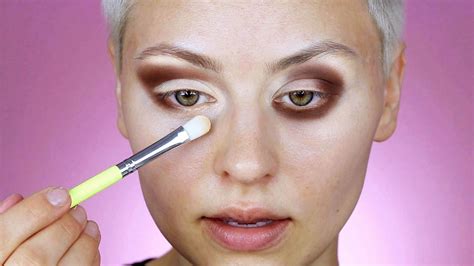
This is where adaptation shines. If a tutorial demonstrates a cut crease on an almond eye, but you have hooded eyes, you’ll need to adjust the placement of the crease color higher above your natural crease so it’s visible when your eyes are open. Similarly, for monolids, techniques like ‘puppy liner’ or extending eyeshadow horizontally can be more effective than a traditional winged liner.
Contouring & Highlighting for Your Face Shape
Generic contour maps rarely suit everyone. If a tutorial suggests contouring cheekbones, but your face is already narrow, you might skip that step or place it differently. Focus on creating shadows and light in areas that balance your specific proportions, rather than rigidly following a template.
Lip Enhancement Techniques
For thin lips, a tutorial might focus on over-lining, but if you have full lips and want a more subdued look, you might opt for a stained effect. If your lips are asymmetrical, a tutorial’s symmetrical application might need adjusting to create balance with a lip liner.
Integrating Personal Style & Lifestyle
Refined artistry isn’t just about technique; it’s also about expressing your personality and fitting your daily life. A bold, dramatic look might be perfect for an evening event, but adapting it for a professional setting means toning down colors, reducing glitter, or simplifying lines.
- Your Aesthetic: Do you gravitate towards minimalism, classic elegance, bohemian chic, or avant-garde? Let this guide your color choices and overall intensity.
- Your Comfort Level: If a tutorial uses a product you’re not comfortable with (e.g., liquid eyeliner if you prefer pencil), find an alternative that achieves a similar effect.
- Your Time Constraints: A 20-step tutorial isn’t practical for a quick morning routine. Learn to identify the core techniques and simplify them for everyday wear.
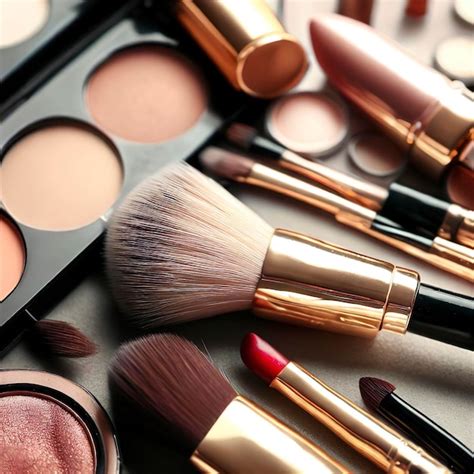
Tools & Product Customization for Optimal Results
The right tools and products can make all the difference in achieving a personalized look.
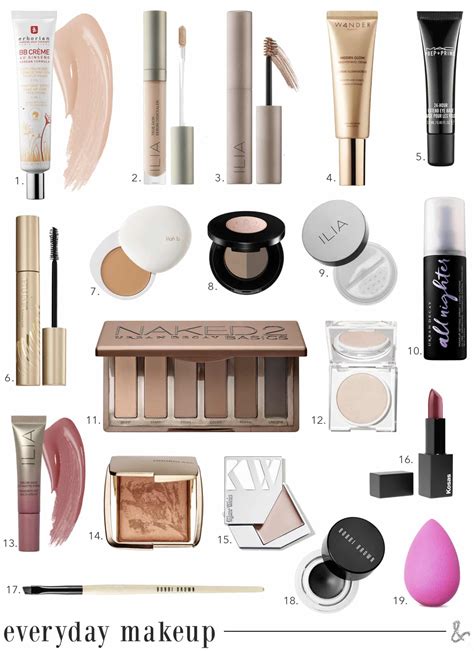
- Brush Selection: Invest in a variety of brushes tailored to different tasks and your unique features (e.g., smaller brushes for precise work on small eyes).
- Product Formulas: For dry skin, choose cream or liquid formulas over powders. For oily skin, opt for mattifying and long-wear products.
- Color Matching: Always swatch foundations and concealers on your jawline in natural light. For eyeshadows and blushes, consider how shades complement your skin tone and eye color.
Practice, Experimentation, and Professional Insights
Personalizing makeup is an ongoing journey of learning. Don’t be afraid to:
- Experiment: Try different placements, colors, and techniques. What works for one part of your face might surprise you elsewhere.
- Document Your Successes: Take photos of looks you love and note the products and techniques used. This builds your personal makeup library.
- Seek Professional Guidance: A one-on-one consultation with a makeup artist can provide invaluable personalized tips and tricks tailored specifically to you.
By approaching makeup tutorials not as strict instructions but as flexible frameworks, you transform yourself from a follower into an artist. This bespoke approach to beauty is the essence of refined artistry and the secret to achieving truly elegant makeup looks that celebrate and enhance your unique self.