



How to refine my Pro Artist Portfolio for enhanced artistry and elegant presentation?

For a professional artist, a portfolio is far more than just a collection of works; it’s a powerful statement of skill, vision, and professional identity. In a competitive creative landscape, merely having a portfolio isn’t enough – it needs to be a meticulously refined, elegantly presented showcase that speaks volumes about your enhanced artistry. This guide will walk you through the essential steps to elevate your portfolio from good to outstanding, ensuring it truly represents your artistic prowess and professional dedication.
Curating Your Masterpieces: Quality Over Quantity
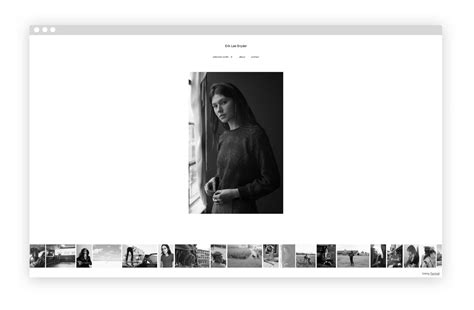
The first and most crucial step in refining your portfolio is ruthless curation. Resist the urge to include every piece you’ve ever created. Instead, select only your strongest, most representative works that align with your current artistic direction and the opportunities you seek. Aim for a cohesive body of work that demonstrates your range while maintaining a consistent aesthetic or thematic thread. Consider the “wow” factor – which pieces consistently draw the most positive attention? Prioritize these, ensuring they are impeccably executed and professionally resolved.
Think about the narrative your selection tells. Does it show growth? Does it highlight a particular specialization or unique approach? Each piece should serve a purpose in showcasing your abilities, technical skills, and creative vision. Less is often more; a tight, impactful selection of 10-20 stellar pieces is far more effective than a sprawling collection of average ones.
Visual Excellence: High-Quality Presentation is Non-Negotiable
Once you’ve curated your selection, the next step is to ensure each piece is presented at its absolute best. This means professional-grade photography or high-resolution scans for physical artworks, and immaculate digital files for digital art. Poor lighting, blurry images, or inconsistent sizing can severely detract from even the most brilliant artwork. Invest in good lighting, a quality camera, or professional scanning services if necessary.
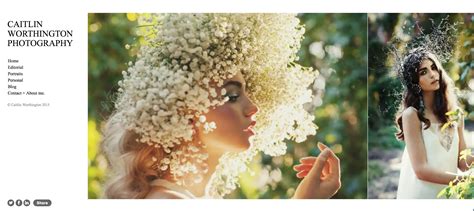
For digital artists, ensure your files are optimized for web viewing while retaining clarity and detail. Pay attention to color accuracy – calibrate your monitor and ensure your images accurately reflect the original artwork’s hues and tones. Consistency in image size, aspect ratio, and background (if applicable) across your portfolio creates a unified and professional look.
Crafting Your Narrative: Artist Statement and Project Descriptions
Your artwork shouldn’t stand alone; it needs context. A compelling artist statement is vital, offering insight into your artistic philosophy, influences, and the themes you explore. It should be concise, engaging, and personal, allowing viewers to connect with your vision on a deeper level. Avoid jargon and aim for clarity.
Alongside your statement, provide concise yet informative descriptions for each piece or project. Explain your process, the materials used, the inspiration behind the work, and any conceptual underpinnings. These descriptions shouldn’t just describe what the viewer sees but illuminate why it matters, adding depth and meaning to your visual presentation. This narrative element transforms a collection of images into a coherent story of your artistic journey.
Branding Your Artistry: Cohesion and Professionalism
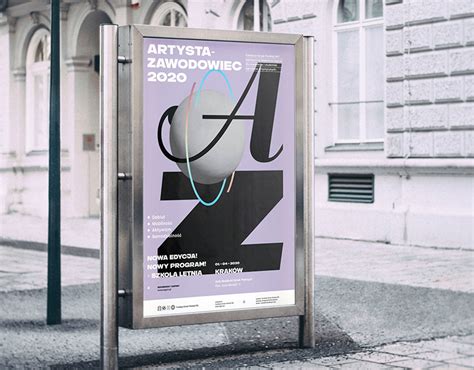
An elegant portfolio extends beyond just the artwork itself; it reflects your personal brand. This includes a consistent visual identity across all elements: your logo (if you have one), typography, color palette, and the overall layout. Whether it’s an online portfolio or a physical book, ensure a clean, intuitive design that lets your art shine without distractions. Easy navigation is key for digital portfolios, allowing viewers to effortlessly browse your work.
Your contact information should be clear and easily accessible. Consider including a professional headshot and a brief bio that highlights relevant achievements and experience. Every touchpoint should reinforce your professionalism and unique artistic identity, creating a memorable and sophisticated impression.
Choosing the Right Platform: Digital vs. Physical
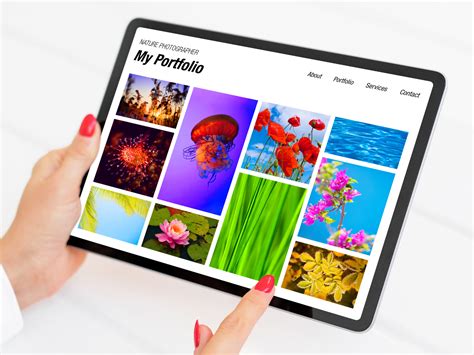
Decide whether a digital, physical, or hybrid portfolio best suits your needs and target audience. Online platforms (like Squarespace, Behance, Artstation, or a personal website) offer global reach and easy updates. Ensure your chosen platform is mobile-responsive and loads quickly. For physical portfolios, invest in a high-quality display book or custom case that reflects the value of your work. The physical presentation should be as refined as the art within it.
Many artists benefit from having both: a comprehensive online presence and a curated physical portfolio for in-person meetings. Ensure consistency between both versions, though the specific selection might vary depending on the context.
Continuous Evolution: Regular Review and Feedback

Your portfolio is a living document that should evolve with your artistic practice. Regularly review your work, perhaps every 6-12 months, to remove older pieces that no longer represent your best work or current direction, and integrate new, stronger pieces. Seek feedback from trusted peers, mentors, or art professionals. Fresh eyes can spot areas for improvement you might overlook. Constructive criticism is invaluable for continuous refinement and ensuring your portfolio remains a dynamic, compelling representation of your ongoing artistic journey.
By dedicating time to meticulous curation, impeccable presentation, compelling storytelling, and consistent branding, you can transform your portfolio into an exquisite showcase that not only highlights your enhanced artistry but also commands respect and attention in the professional art world.