



How to select & present artwork on Pro Artist Portfolio for maximum elegance and professional impact?

A professional artist portfolio is more than just a collection of your work; it’s a carefully curated narrative, a visual resume, and a powerful statement of your artistic identity. In today’s competitive art world, the way you select and present your artwork can significantly influence perceptions, open doors to opportunities, and establish your unique brand. Achieving maximum elegance and professional impact requires strategic thinking, meticulous attention to detail, and a deep understanding of what makes a portfolio truly stand out.
The Art of Curation: Selecting Your Masterpieces
The foundation of an impactful portfolio lies in rigorous selection. Resist the urge to include everything you’ve ever created. Instead, focus on quality over quantity, presenting only your strongest, most representative pieces.
Quality Over Quantity
Showcase only your absolute best work. Each piece should demonstrate technical skill, conceptual depth, and a clear understanding of your artistic voice. If a piece doesn’t elevate the overall quality of your portfolio, it’s better left out.
Consistency and Narrative
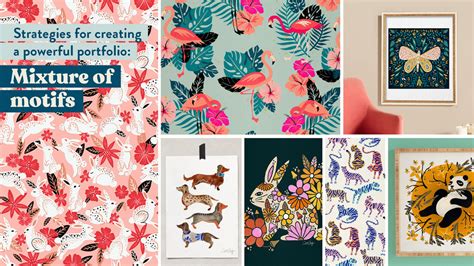
While diversity can be good, aim for a cohesive body of work that tells a story or demonstrates a clear progression in your artistic journey. A consistent aesthetic or thematic thread can make your portfolio feel more intentional and professional.
Tailor to Your Audience
Consider who you are trying to reach. Are you applying for a gallery show, an artist residency, a commission, or a specific job? Customize your portfolio to highlight works most relevant to that particular opportunity.
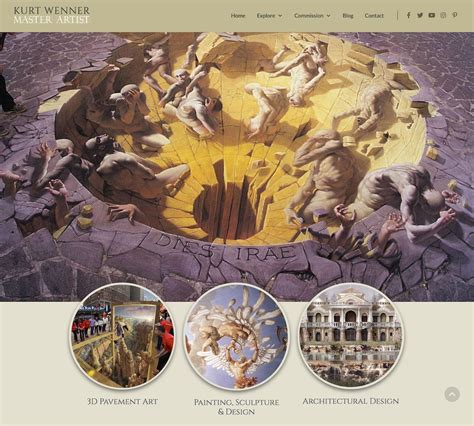
High-Impact Presentation: Visuals and Details That Matter
Once you’ve selected your artwork, the next critical step is presenting it impeccably. Poor presentation can undermine even the most brilliant art.
Professional Photography and Scanning
This is non-negotiable. Invest in high-resolution, color-accurate photographs or scans of your artwork. Ensure proper lighting, crisp focus, and a clean background. For 3D work, provide multiple angles and detail shots.
Context and Mockups
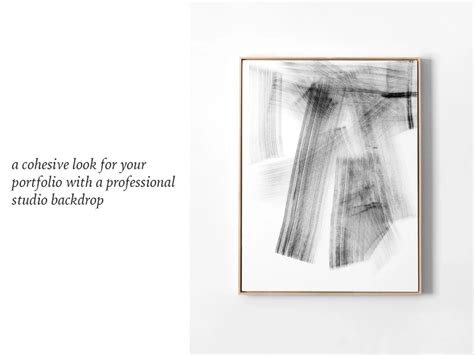
Help viewers visualize your work in a real-world setting. For prints or digital art, consider using professional mockups (e.g., framed art on a wall, designs on products). For larger installations, provide environmental shots. This adds a layer of professionalism and helps convey scale and impact.
Technical Specifications and Descriptions
Each piece should be accompanied by relevant information: title, year, medium, dimensions, and a brief, engaging description. The description should offer insight into your process or conceptual intent without being overly verbose. Proofread everything meticulously.

Designing Your Portfolio Layout for Elegance
The overall design and user experience of your digital portfolio are just as important as the art itself. A well-designed portfolio reflects your professionalism and attention to detail.
Clean and Intuitive Navigation
Your portfolio should be easy to navigate. Use clear menus, logical categories, and a consistent layout. Visitors should be able to find what they’re looking for quickly and effortlessly.
Whitespace and Minimalism
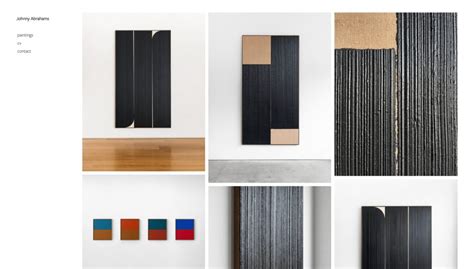
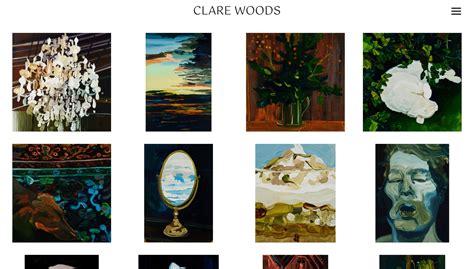
Embrace whitespace. A clean, uncluttered design allows your artwork to breathe and be the focal point. Avoid busy backgrounds, excessive animations, or distracting elements. Minimalism often equates to elegance.
Responsive Design
Ensure your portfolio looks and functions perfectly across all devices – desktops, tablets, and mobile phones. Many people will view your work on the go, and a non-responsive site can quickly deter potential clients or galleries.
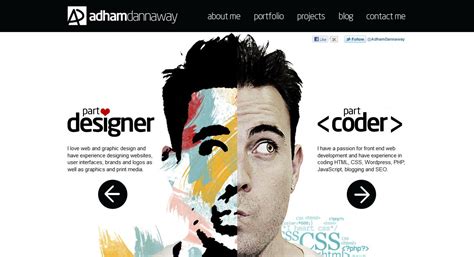
Crafting Your Artist Statement and Project Descriptions
Beyond the visuals, your words provide context and connect viewers to your artistic vision.
Concise and Engaging Narratives
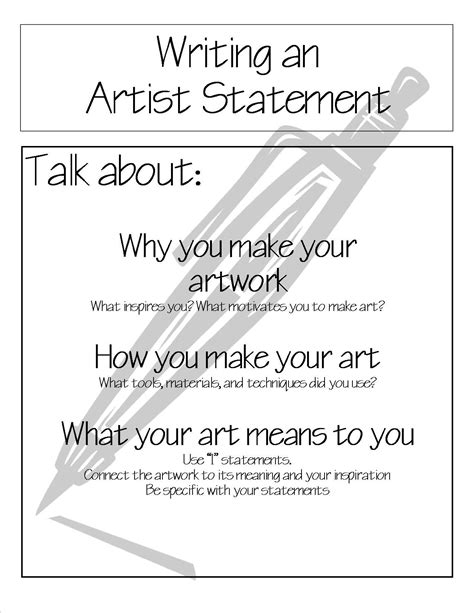
Your artist statement should be a brief, compelling overview of your work, philosophy, and inspirations. Keep it concise, authentic, and free of jargon. Each project description should offer a glimpse into the piece’s conceptual background or technical challenges.
Process and Inspiration
Where appropriate, share insights into your creative process or the inspiration behind a specific series. This humanizes your work and can create a stronger connection with your audience.
Maintaining Professionalism and Continuous Improvement
A professional portfolio is a living document that requires ongoing attention.
Proofreading and Feedback
Always proofread all text for typos and grammatical errors. Ask trusted peers or mentors for feedback on both your artwork selection and the overall presentation. A fresh pair of eyes can catch crucial details.
Regular Updates
Your artistic practice evolves, and so should your portfolio. Regularly review and update your work, ensuring it always represents your current best and most relevant creations.
Branding Consistency
Ensure your portfolio design, tone, and visual elements are consistent with your overall artistic brand, including social media and any other online presence. This creates a cohesive and memorable experience.
Conclusion
An elegantly presented and professionally impactful artist portfolio is a powerful tool in an artist’s arsenal. By meticulously curating your strongest work, presenting it with high-quality visuals and thoughtful descriptions, and designing an intuitive, clean layout, you elevate your artistic presence. Your portfolio isn’t just a display; it’s an experience that speaks volumes about your dedication, skill, and unique vision, inviting viewers into your world and leaving a lasting impression.