


How to select workshops that truly refine application for elegant, enhanced artistry?

The Quest for True Refinement in Makeup Artistry
In the vibrant world of makeup, where trends constantly evolve and new products emerge daily, the desire to truly refine one’s application skills goes beyond simply learning a new look. It’s about cultivating a deeper understanding of technique, artistry, and the subtle nuances that transform good makeup into exceptional, elegant work. Choosing the right workshop is paramount to this journey, but how do you sift through the myriad options to find those that genuinely elevate your craft?
Many workshops promise quick fixes or trendy styles, but true refinement comes from mastering foundational principles and developing a discerning eye. This article will guide you through the essential considerations for selecting a makeup workshop that not only teaches you new skills but profoundly enhances your artistic capabilities and application precision.

Key Criteria for Selecting Your Ideal Workshop
Instructor’s Pedigree and Philosophy
The caliber of the instructor is arguably the most critical factor. Look for artists with extensive experience, a strong portfolio, and a clear teaching philosophy. Do they emphasize fundamental techniques, creativity, or specific styles? A great instructor doesn’t just demonstrate; they explain the ‘why’ behind each step, providing insights into color theory, face morphology, and product chemistry. Research their background, look for published work, and read testimonials that speak to their teaching effectiveness, not just their artistry.
Curriculum Depth and Practicality
Scrutinize the workshop curriculum. Does it offer a comprehensive breakdown of the topics promised, or is it merely a superficial overview? For true refinement, the curriculum should include:
- Foundational Techniques: Skin prep, flawless base application, precise contouring and highlighting, eye shape analysis, and lip perfection.
- Advanced Skills: Corrective makeup, specific cultural or historical styles, editorial looks, or specialized texture application.
- Theoretical Knowledge: Color theory application, understanding light and shadow, product knowledge, and brush mastery.
- Hands-on Practice: Ample time for practical application, ideally with models or on fellow participants.
A workshop that focuses heavily on demonstration with little practical application might entertain, but it won’t refine your skills.

Class Size and Personalized Attention
An intimate class setting often correlates with more personalized feedback. Large group workshops, while sometimes more affordable, can limit one-on-one interaction with the instructor, which is crucial for identifying and correcting individual application habits. Inquire about the student-to-instructor ratio. The ability to receive direct, constructive criticism on your work is invaluable for refining technique and accelerating learning.
Reviews, Testimonials, and Portfolios
Beyond the workshop’s own promotional material, delve into independent reviews and testimonials. Look for feedback that specifically mentions skill improvement, clarity of instruction, and the practical takeaways. If possible, review portfolios of previous attendees (if shared) to see the progression of their work after the workshop. This can offer a realistic glimpse into the workshop’s impact on artistry.
What Makes a Workshop Truly Refine Your Application?
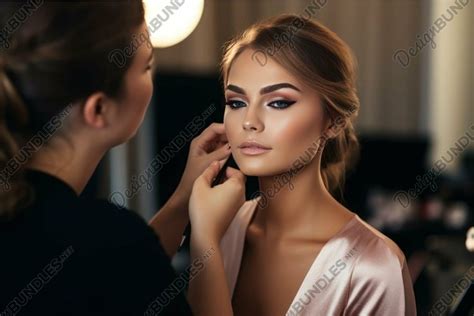
Refinement isn’t just about learning new tricks; it’s about honing your existing abilities to a higher degree of precision and artistry. A refining workshop will:
- Break Down Complex Techniques: Instead of just showing a finished look, it will deconstruct each element, explaining the rationale and execution with meticulous detail.
- Emphasize Precision and Control: Focus on brush angles, product placement, pressure, and blending techniques that lead to seamless, elegant results.
- Provide Critical, Constructive Feedback: The instructor should be able to pinpoint exactly where improvements can be made in your application, offering actionable advice rather than just general praise.
- Encourage Independent Thinking: A truly great workshop equips you with the tools to analyze faces and adapt techniques, rather than just copying a look.
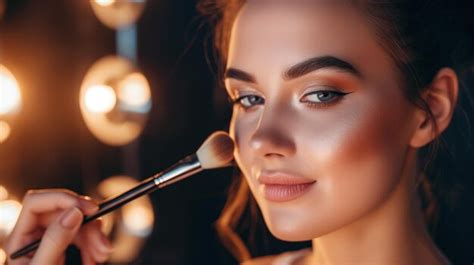
Elevating to Elegant, Enhanced Artistry
To move beyond technical proficiency to truly elegant, enhanced artistry, a workshop should inspire creativity and a personal vision. It should challenge you to think beyond the conventional, experiment with textures, and understand how makeup interacts with light, expression, and individual features. Look for workshops that:
- Explore Creative Concepts: Push boundaries beyond everyday makeup, introducing editorial, theatrical, or avant-garde elements that expand your artistic vocabulary.
- Teach Customization: How to tailor techniques and colors to suit various skin tones, eye shapes, and personal styles, rather than applying a one-size-fits-all approach.
- Foster a Unique Aesthetic: Help you identify and develop your signature style as an artist, moving from replication to creation.

Maximizing Your Workshop Experience
Once you’ve selected a workshop, your engagement significantly impacts the outcome. Come prepared with specific questions, an open mind, and a willingness to step outside your comfort zone. Take detailed notes, practice diligently what you’ve learned, and don’t hesitate to follow up with the instructor if questions arise. Remember, the workshop is a catalyst; consistent practice and application of the learned principles are what truly cement refinement and foster artistry.
Conclusion
Selecting the right makeup workshop is an investment in your artistic growth. By carefully considering the instructor’s expertise, the curriculum’s depth, the class environment, and the focus on personalized refinement, you can choose a program that genuinely enhances your application skills and elevates your work to a level of elegant artistry. Embrace the journey of continuous learning, and watch your creative vision flourish.