

How to structure product review forms for high-end aesthetic value feedback?
The Nuance of Aesthetic Feedback for Luxury Goods
Capturing meaningful feedback on the aesthetic value of high-end products is a delicate art. Unlike functional performance, beauty and design are subjective, often expressed through subtle observations and emotional responses. For luxury brands, understanding how customers perceive the visual appeal, tactile experience, and overall design elegance is paramount. Standard star ratings or generic “satisfaction” scales simply don’t cut it when you’re evaluating the craftsmanship of a bespoke watch or the architectural lines of designer furniture. The goal is to move beyond mere likes or dislikes to uncover the ‘why’ behind a customer’s appreciation or critique of design.
This article explores how to design product review forms that elicit rich, actionable insights into the aesthetic qualities of premium items, ensuring the feedback mechanism itself aligns with the high-end experience.
Beyond Basic Ratings: Tailoring Questions for Aesthetic Depth
The first step in structuring effective review forms is to move beyond simplistic quantitative measures. While an overall aesthetic rating can be useful, it needs to be supported by qualitative data. Consider breaking down “aesthetics” into its constituent elements:
- Material Quality & Finish: How do customers perceive the texture, sheen, and durability of materials?
- Form & Proportion: Is the product’s shape elegant, balanced, or clunky?
- Color & Palettte: Does the color scheme resonate, feel sophisticated, or clash?
- Craftsmanship & Details: Are the seams perfect, the engravings precise, the assembly flawless?
- Sensory Experience: Does it feel good to touch? Is the weight satisfying?
Instead of asking “Is the design good?”, prompt users with questions like: “Describe the feel of the leather finish and how it contributes to the product’s luxurious appeal,” or “What aspects of the product’s silhouette do you find most striking or harmonious?”
Incorporating Visuals and Descriptive Language
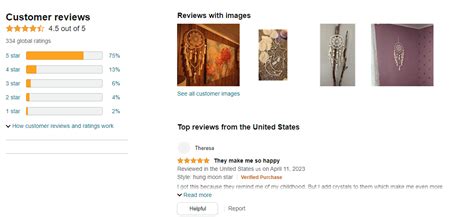
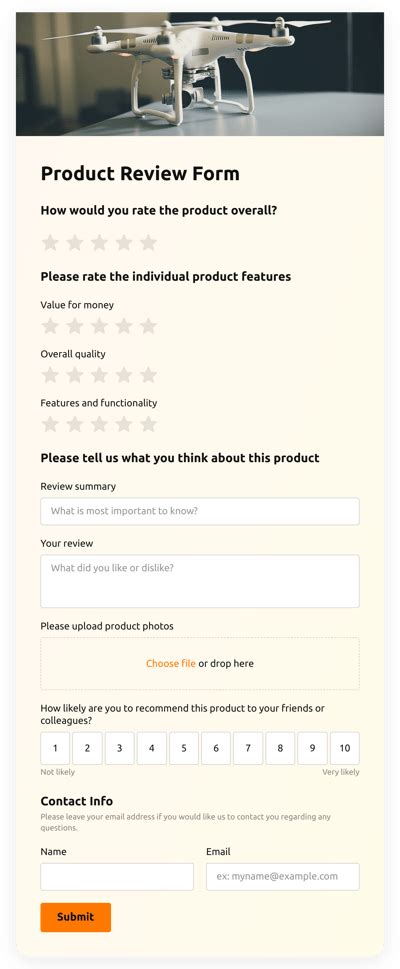
A picture is worth a thousand words, especially when discussing aesthetics. Empowering reviewers to upload their own images or videos of the product in use, or highlighting specific design elements, provides invaluable context. This not only validates their written feedback but also offers visual testimonials for potential buyers.
Furthermore, guide reviewers with descriptive language prompts. Provide a curated vocabulary list (e.g., “minimalist,” “ornate,” “sleek,” “robust,” “delicate,” “timeless”) they can choose from, or integrate sliders that allow them to rate specific attributes like “Elegance,” “Innovation,” or “Exclusivity” on a finely granular scale, perhaps from “Understated” to “Bold” or “Traditional” to “Avant-garde.”
Designing the Form for a Premium User Experience
The review form itself should mirror the high-end nature of the products it evaluates. A clunky, generic, or visually unappealing form undermines the brand’s aesthetic. Focus on:
- Clean, Intuitive Layout: A minimalist design with ample white space, elegant typography, and logical flow.
- Branded Elements: Incorporate your brand’s colors, fonts, and imagery subtly to maintain a consistent luxury feel.
- Conditional Logic: Use smart branching questions. If a user rates “craftsmanship” low, follow up with “Please specify which aspects of the craftsmanship did not meet your expectations.”
- Progress Indicators: For longer forms, a clear progress bar reduces abandonment.
The experience of filling out the form should feel as polished and considered as interacting with the product itself, signaling that their detailed feedback is genuinely valued.

Capturing Emotional Resonance and Context
Aesthetic value, particularly in the high-end market, is often intertwined with emotional connection, aspiration, and the lifestyle it represents. Encourage feedback that explores these dimensions:
- “How does interacting with this product make you feel?” (e.g., sophisticated, confident, tranquil)
- “In what settings or occasions does this product truly shine?”
- “Does the product’s design enhance your personal style or home environment as you expected?”
Such questions provide rich qualitative data that goes beyond mere visual appraisal, tapping into the core emotional drivers of luxury consumption.

Conclusion: Elevating Feedback to an Art Form
Structuring product review forms for high-end aesthetic value feedback requires a thoughtful, multi-faceted approach. It’s about moving beyond simplistic metrics to embrace detailed qualitative insights, leveraging visual input, guiding reviewers with sophisticated language, and ensuring the form’s user experience reflects the brand’s premium identity. By meticulously crafting these forms, brands can gather an unprecedented depth of understanding into how their exquisite products are perceived, enabling continuous refinement and further elevating their market position.