

How to visually showcase intricate makeup artistry on blog posts for maximum elegance?
The Art of Visual Storytelling in Beauty Blogging
In the vibrant world of beauty blogging, where aesthetics reign supreme, the ability to visually communicate intricate makeup artistry is paramount. It’s not enough to simply describe a stunning look; your audience needs to see every meticulously placed pigment, every seamless blend, and every sparkling highlight. This guide delves into the strategies for presenting your exquisite makeup creations with an elegance that captivates and inspires, ensuring your blog posts leave a lasting impression.

Mastering Photography: The Foundation of Elegance
High-quality photography is the bedrock of showcasing intricate makeup. Invest in a good camera, even if it’s a high-end smartphone, and understand its capabilities. Natural light is your best friend – position your subject near a window for soft, even illumination. Avoid harsh overhead lights or direct flash, which can flatten details and create unflattering shadows. Consistency in lighting across your series of photos will also contribute to a cohesive and professional look.
Angles and Focus: Highlighting Detail
Experiment with various angles to capture the full scope of your artistry. A straight-on shot is essential, but don’t shy away from profiles, three-quarter views, and slight head tilts to reveal different facets of the makeup. Crucially, ensure your focus is razor-sharp on the makeup itself. Blurred lines or soft edges diminish the impact of intricate work. Use a tripod for stability to avoid camera shake, especially when shooting close-ups.
Emphasizing Intricacy: Close-Ups and Macro Shots
For truly intricate makeup – think detailed cut creases, elaborate eyeliner designs, or delicate glitter placements – close-up and macro photography are indispensable. These shots allow your audience to zoom in on the artistry, appreciating the precision and effort involved. Take multiple close-ups from different perspectives. For example, capture the inner corner, the outer wing, the brow bone, or the lower lash line separately. This mosaic of detailed images builds a comprehensive visual narrative.

Beyond the Final Look: Process and Before & After
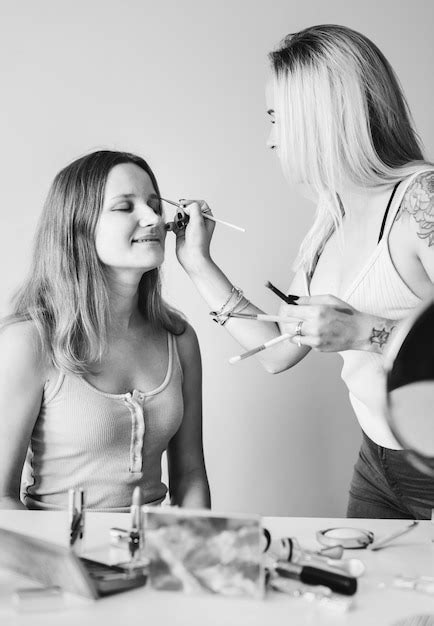
To truly convey the journey of transformation and the skill involved, incorporate process shots or a compelling “before and after” sequence. A side-by-side comparison of the bare face versus the finished look dramatically highlights your talent. Process shots – even just 2-3 key steps – can break down complex techniques, making them more accessible and engaging for your audience. These visual aids add depth and context, turning your blog post into an educational and inspiring experience.

Thoughtful Layout and Presentation on Your Blog
The way you arrange your images on the blog post is just as important as the quality of the photos themselves. Aim for a clean, uncluttered layout. Use galleries, sliders, or well-spaced individual images to avoid overwhelming the reader. Pair a full-face shot with a series of close-ups, ensuring there’s ample white space around each image to let it breathe. Responsive design is key; your images should look stunning on both desktop and mobile devices.
- Image Sizing: Optimize images for web to ensure fast loading times without compromising quality.
- Consistency: Maintain a consistent aesthetic – filters, borders, and overall editing style – across all images in a post and throughout your blog.
- Captions: Use concise, descriptive captions to add context and highlight specific techniques or products used in each photo.
Complementing Visuals with Eloquent Descriptions
While visuals are primary, don’t underestimate the power of well-crafted text. Your written content should complement, not repeat, what the images already convey. Describe the inspiration behind the look, the specific products used, and any unique techniques employed. Explain why certain colors or textures were chosen. This textual depth provides valuable information and enhances the overall elegance of your presentation, giving your audience a richer understanding of your artistry.
Optimizing for Web and Accessibility
Finally, ensure your visual content is optimized for web performance and accessibility. Compress images without losing quality, implement lazy loading if possible, and always include descriptive alt text for every image. Alt text not only aids SEO but also ensures that visually impaired readers can understand the content of your images through screen readers. This commitment to accessibility reflects professionalism and broadens your audience reach.

By meticulously planning your photography, thoughtfully structuring your blog content, and leveraging both visuals and text effectively, you can elevate your makeup artistry blog posts to new heights of elegance and engagement. Let your visual stories speak volumes, captivating every visitor who lands on your page.