



Mastering refined artistry: What workshop bridges online learning to flawless application?

The Evolving Landscape of Makeup Education
In today’s fast-paced digital world, online learning has revolutionized access to knowledge across countless fields, and professional makeup artistry is no exception. Aspiring artists can now delve into a vast ocean of tutorials, masterclasses, and comprehensive courses from the comfort of their homes. These platforms offer unparalleled flexibility, allowing students to learn at their own pace, absorb theoretical concepts, and understand the ‘why’ behind various techniques. From color theory and facial anatomy to product knowledge and trend analysis, online resources provide a solid foundational understanding.
However, the highly tactile and precision-dependent nature of makeup application presents a unique challenge for purely virtual instruction. While watching a renowned artist demonstrate a cut crease or perfect skin preparation is incredibly insightful, truly replicating that skill requires more than just observation. It demands hands-on practice, immediate feedback, and the nuanced development of muscle memory—elements often difficult to fully achieve through a screen alone.

The Critical Link: Bridging Workshops
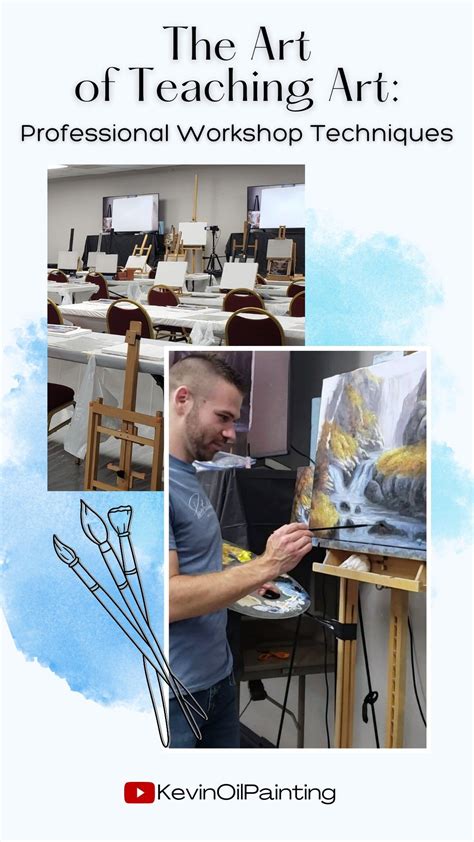
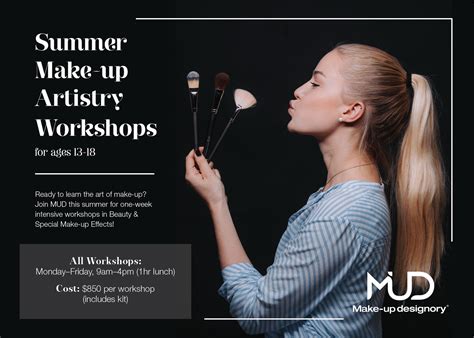
This is precisely where the innovative concept of ‘bridging workshops’ comes into play. These specialized, in-person training sessions are expertly designed to serve as the vital connection between theoretical online learning and practical, flawless application. They acknowledge the strengths of digital education while addressing its limitations, providing a crucial environment for students to transform intellectual understanding into tangible skill.
A well-structured bridging workshop complements online courses by offering a dedicated space where students can actively practice techniques, experiment with products, and refine their execution under expert supervision. It’s the transition from ‘knowing how’ to ‘being able to do’ with confidence and precision, ensuring that the valuable information absorbed online is cemented through practical experience.

Key Components of an Effective Bridging Workshop
What makes these workshops so effective? They are typically characterized by several core components:
- Intensive Hands-On Practice: Participants spend the majority of their time actively applying makeup, often on models or fellow students, allowing for repeated attempts and skill development.
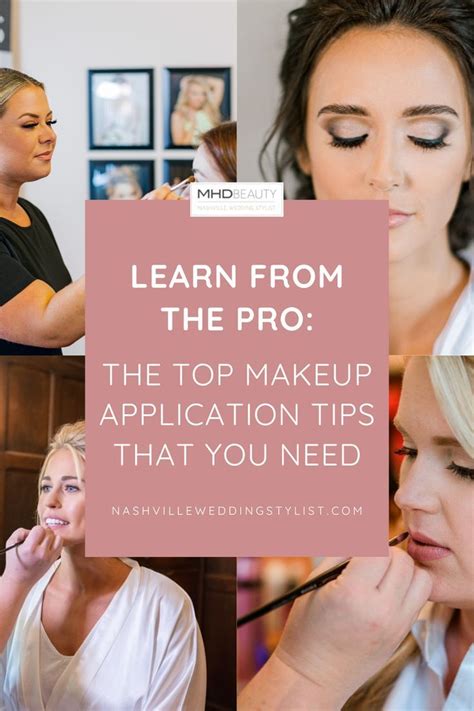
- Direct Instructor Feedback: Experienced mentors provide immediate, constructive criticism, guiding students through common pitfalls and offering personalized tips for improvement—something impossible to replicate online.
- Product and Tool Experimentation: Access to a wide range of professional-grade products and tools allows students to discover what works best for different skin types, tones, and desired effects, fostering an understanding of textures and finishes.
Beyond these, workshops often incorporate real-world scenarios, time management techniques, and troubleshooting common application challenges. This immersive environment cultivates not just technical skill, but also problem-solving abilities and artistic intuition.
From Theory to Flawless Execution
The transformation witnessed in attendees of these bridging workshops is remarkable. What began as a theoretical grasp of, say, highlighting and contouring, evolves into a seamless, intuitive application that enhances facial features without looking artificial. The workshops foster an understanding of how products interact with different complexions and lighting, leading to a truly flawless and refined finish.
This guided, repetitive practice under the watchful eye of a professional helps to solidify muscle memory, enabling artists to execute techniques with precision and speed. It builds confidence, allowing students to trust their hands and their artistic eye, ultimately bridging the gap between simply understanding makeup and mastering its refined artistry.
Choosing the Right Workshop for You
When seeking a workshop to bridge your online learning, consider factors such as the instructor’s reputation and expertise, the curriculum’s alignment with your learning goals, and the class size (smaller classes often mean more personalized attention). Look for programs that emphasize practical application, provide quality materials, and offer a supportive learning environment.
Investing in such a workshop is not just about learning new techniques; it’s about refining existing knowledge, gaining invaluable hands-on experience, and ultimately elevating your skill set to a professional standard. It’s the pathway to confidently translating the vast world of online beauty education into flawless, real-world application.

Conclusion
For aspiring and existing makeup artists, combining the accessibility and theoretical depth of online learning with the practical, hands-on refinement offered by specialized workshops is the most effective route to true mastery. These bridging programs are not just supplementary; they are an essential component for anyone serious about achieving refined artistry and delivering consistently flawless results in the dynamic world of makeup.