



Optimise review prompts to capture feedback on craftsmanship and aesthetic appeal?
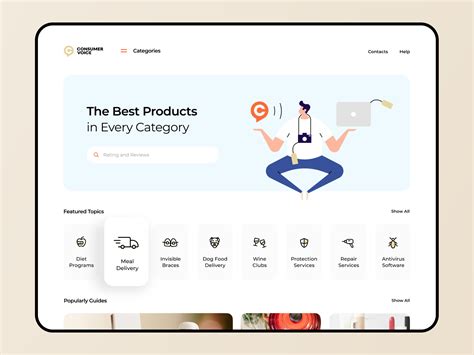
Beyond Generic Ratings: Unlocking Deeper Product Insights
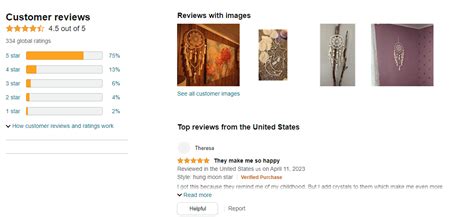
In the competitive world of e-commerce, customer reviews are gold. They influence purchasing decisions, build trust, and provide invaluable data for product improvement. However, many review prompts fall short, gathering only superficial feedback like “satisfied” or “disappointed.” To truly stand out and refine your offerings, it’s crucial to delve deeper, specifically targeting feedback on craftsmanship and aesthetic appeal – the very elements that often differentiate a good product from a great one.

The Importance of Nuanced Feedback
Craftsmanship speaks to the quality of construction, the materials used, the attention to detail, and the product’s durability. Aesthetic appeal, on the other hand, relates to its visual charm, design elegance, user experience from a sensory perspective, and how well it integrates into a customer’s life visually. Capturing detailed insights into these areas provides actionable intelligence for designers, manufacturers, and marketers alike. It helps identify strengths to highlight in marketing and weaknesses to address in future iterations.
Crafting Prompts for Craftsmanship
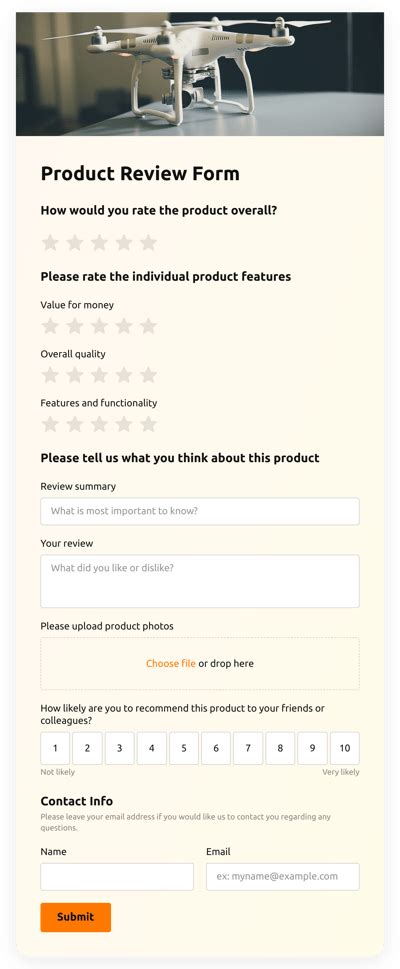
Generic questions like “How would you rate the product quality?” often yield vague answers. Instead, focus on specific attributes:
- “Describe the quality of the materials used. Do they feel premium and durable?”
- “How would you rate the construction and finish of the product? Are there any visible imperfections or signs of excellent workmanship?”
- “Consider the durability of the product. Does it feel like it’s built to last?”
- “Were there any specific details in the construction (e.g., stitching, joinery, fit) that particularly impressed or disappointed you?”
Using open-ended questions encourages customers to elaborate rather than just selecting a star rating. Providing specific examples can also guide their thought process.

Eliciting Feedback on Aesthetic Appeal
Aesthetics are often subjective, but patterns emerge. Guide customers to articulate their visual experience:
- “How would you describe the overall design and visual appeal of the product? Does it meet your expectations?”
- “Does the product’s design complement your personal style or home décor?”
- “What specific design elements (e.g., color, shape, texture, finish) do you particularly like or dislike?”
- “Does the product ‘feel’ as good as it looks? Describe your sensory experience.”
- “If you had to pick one word to describe its look, what would it be and why?”
These prompts encourage customers to think beyond “pretty” or “ugly” and articulate the ‘why’ behind their aesthetic preferences.

Strategic Implementation and Timing
Beyond the questions themselves, consider how and when you ask them. Don’t overwhelm customers with too many detailed questions immediately after purchase. Instead, consider a phased approach:
- Initial prompt (3-7 days post-delivery): Focus on initial impressions and basic satisfaction.
- Follow-up prompt (2-4 weeks post-delivery): Introduce more detailed questions about craftsmanship and durability, giving customers time to use the product.
- Segmented prompts: For high-value or complex products, you might have specific prompts for different features or aspects.
Also, provide an optional free-text box for any additional comments, allowing customers to express nuanced feedback not covered by direct questions.
Leveraging the Insights for Growth
Once you’ve collected this rich, detailed feedback, don’t let it gather dust. Analyze the responses to identify common themes, recurring praises, and consistent areas for improvement. This data is invaluable for:
- Product Development: Informing design changes, material choices, and manufacturing processes.
- Marketing & Sales: Highlighting frequently praised craftsmanship or aesthetic elements in product descriptions and ad copy.
- Customer Service: Addressing specific concerns and improving the overall customer experience.
- Competitive Analysis: Understanding how your products stand up against competitors in terms of quality and design perception.
Showing customers that their detailed feedback leads to tangible improvements also builds stronger brand loyalty and encourages future engagement.
Conclusion
Optimising review prompts to capture feedback on craftsmanship and aesthetic appeal is a strategic investment that pays dividends in product excellence and brand reputation. By moving beyond generic questions and embracing specific, evocative, and timely prompts, businesses can unlock a wealth of actionable insights. This deeper understanding of customer perception not only fuels continuous improvement but also fosters a stronger connection with your audience, positioning your products as truly exceptional in both form and function.