




Optimize review prompts for eloquent feedback on craftsmanship & aesthetic?
Elevating Product Reviews Beyond the Basics
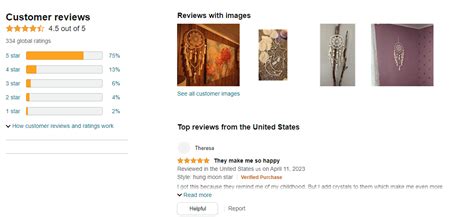
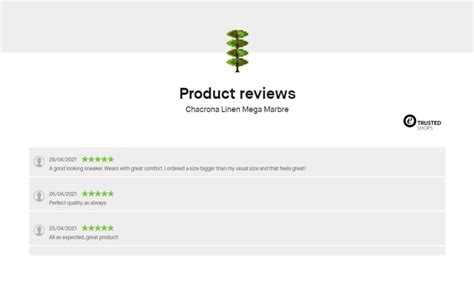
In a competitive marketplace, generic five-star ratings and one-word reviews simply don’t cut it anymore. Businesses that truly understand their products’ impact and seek continuous improvement need more. They need eloquent feedback—detailed, descriptive insights that go beyond surface-level satisfaction to uncover the nuances of craftsmanship and aesthetic appeal. This deep dive into customer experience can be a goldmine, but only if you ask the right questions.
Optimizing your review prompts is not just about getting more reviews; it’s about getting better, more actionable reviews. By guiding customers to focus on specific aspects of quality and design, you empower them to articulate their experiences in a way that provides immense value to both your product development teams and prospective buyers.

Crafting Prompts for Craftsmanship Insights
To solicit feedback on craftsmanship, your prompts should encourage customers to think about the tangible quality of the product. Instead of asking, “Is the quality good?” consider questions that invite specific observations about materials, construction, and durability.
For instance, prompts could include: “Describe the feel and durability of the materials used. How do they contribute to the product’s overall quality?” or “Comment on the construction of the item – did you notice any specific details in the stitching, joinery, or finish that impressed you or stood out?” Such questions nudge customers to recall specific details, providing a richer data set than a simple ‘yes’ or ‘no’ response. This helps identify strengths and areas for refinement in your manufacturing processes.
Unlocking Aesthetic Impressions with Effective Prompts
Aesthetics are often subjective, but you can still encourage eloquent feedback by prompting customers to articulate their impressions of design, visual appeal, and how the product integrates into their personal space or style. Move beyond “Does it look good?” to explore the emotional and practical impact of its design.
Try prompts like: “How does the product’s design complement your existing decor or personal style?” or “Describe the color, texture, or shape. What emotions or feelings does its aesthetic evoke for you?” You might also ask: “Were there any specific design elements—like a unique pattern, a particular finish, or an innovative silhouette—that particularly caught your eye?” These questions prompt customers to reflect on the deeper connection they form with the product’s visual and tactile attributes.

Strategies for Eloquent Responses
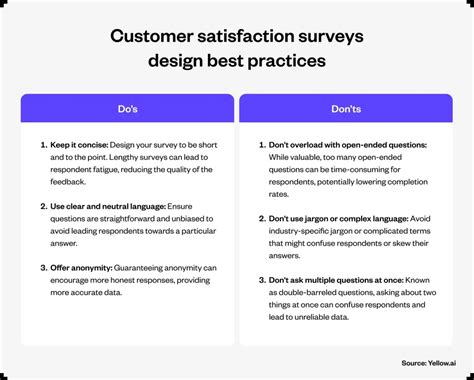
Beyond specific questions, several general strategies can encourage more detailed and articulate feedback. Always prioritize open-ended questions over multiple-choice or yes/no formats. Provide a comfortable space for customers to write, perhaps with a clear character limit expectation, encouraging thoughtful responses without being overwhelming.
Consider leading with prompts that encourage storytelling: “Share a moment where the product’s craftsmanship or aesthetic truly stood out to you.” Offering examples of descriptive language can also subtly guide customers without dictating their answers. For example, a prompt could include a small phrase like, “(e.g., ‘The sturdy oak, the seamless stitching, the vibrant hue’).”
Implementing and Analyzing Your Optimized Prompts
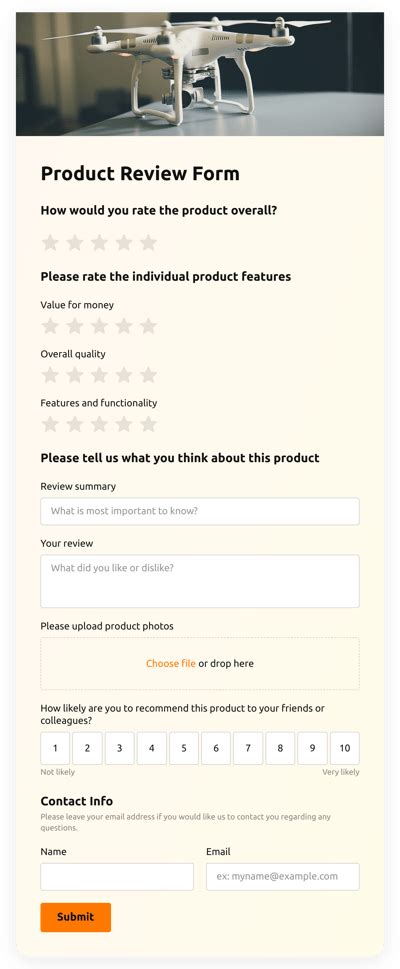
Once you’ve refined your prompts, strategic implementation is key. Integrate them into your post-purchase email sequences, on-site review widgets, or dedicated feedback forms. Ensure they are easy to find and simple to complete. Use A/B testing to compare different prompt variations and identify which ones yield the most insightful responses.
Finally, establish a robust system for analyzing the richer data you receive. Categorize feedback by specific craftsmanship elements or aesthetic attributes. This structured approach will allow you to track trends, identify common praises or concerns, and translate raw customer sentiment into actionable product improvements and compelling marketing messages. By consistently refining your review prompts, you transform mere ratings into a powerful dialogue with your customer base, fostering loyalty and driving innovation.