



Optimizing review prompts for premium design & material artistry?

The Nuance of Premium Product Feedback
For products where design is a deliberate art form and materials are chosen with meticulous care, standard review prompts often fall short. Generic questions like “Are you satisfied with this product?” fail to capture the rich tapestry of detail, craftsmanship, and sensory experience that defines premium goods. The goal isn’t just to gather feedback, but to elicit insights that truly reflect the product’s unique value proposition, informing both potential buyers and future product development.
Brands investing in superior aesthetics and high-grade materials require reviews that go beyond surface-level satisfaction. They need feedback that articulates the ‘why’ behind a customer’s appreciation, delving into the specific elements that elevate their experience. This detailed input serves as invaluable social proof, differentiating luxury items from their mass-produced counterparts.
Challenges in Capturing Artistry
One of the primary challenges lies in the customer’s ability to articulate what makes a premium product exceptional. While they might intuitively appreciate the quality, they may lack the specific vocabulary or a structured framework to express their observations regarding design principles, material science, or nuanced craftsmanship. This often leads to reviews that, while positive, remain vague and unhelpful for those seeking detailed understanding.
Overcoming the prevalence of generic “good product” reviews requires a strategic approach to prompt engineering. It necessitates guiding the customer through a reflective process, encouraging them to focus on distinct attributes rather than a broad, undifferentiated impression.
Crafting Prompts for Design Excellence
Evoking Aesthetic Appreciation
To capture feedback on design, prompts should encourage descriptive language about visual impact and emotional response. Instead of asking “Do you like the design?”, consider:
- “How does the product’s form, lines, and color palette contribute to its overall aesthetic appeal?”
- “Which specific design elements stand out to you, and how do they evoke a particular feeling or impression?”
- “Describe how the product’s design integrates into your space or personal style.”
Dissecting Material Quality
Material artistry is about more than just durability; it’s about texture, weight, feel, and finish. Prompts should guide customers to explore these sensory dimensions:
- “How does the texture and feel of the materials (e.g., wood, leather, metal) enhance your experience with the product?”
- “What does the weight and solidity of the product convey about its build quality and choice of materials?”
- “Describe the finish of the material – its sheen, depth, or hand-feel – and how it communicates luxury or craftsmanship.”
Highlighting Craftsmanship & Detail
Craftsmanship speaks volumes about a premium item. Prompts should draw attention to the human touch and precision:
- “Examine the seams, joinery, or intricate details. What do they reveal about the precision and care taken in its creation?”
- “Are there any unique or bespoke features that particularly impress you regarding their execution?”
- “How does the attention to detail, even in less obvious areas, contribute to the product’s overall perceived quality?”

Leveraging Sensory and Experiential Prompts
Beyond the purely visual, premium products often engage multiple senses. Asking about the auditory experience (e.g., the satisfying click of a closure), the scent of natural materials, or the overall haptic feedback can yield incredibly rich data. Furthermore, prompts should explore the long-term experience and perceived longevity.
- “Beyond its initial appearance, how does the product ‘feel’ in your hands or interact with its environment (e.g., the sound of a closing lid, the subtle scent)?”
- “After using the product for a period, how has its quality stood up? Do you notice any signs of its durability or ability to age gracefully?”
- “In what ways does this product enhance your daily routine or contribute to a sense of luxury in your life?”

Best Practices for Deployment
To maximize the effectiveness of these optimized prompts, consider the following:
- Timing is key: Send prompts after the customer has had sufficient time to use and appreciate the product, but not so long that their initial enthusiasm has faded.
- Provide context: Briefly explain why detailed feedback is important to the brand and other customers.
- Offer examples: Sometimes, providing a short example of descriptive language can inspire more thoughtful responses.
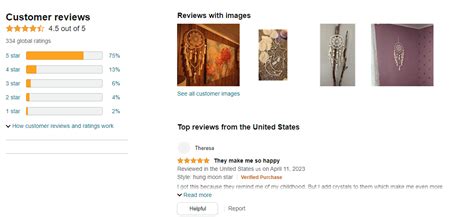
- Allow for media uploads: Encouraging customers to include photos or videos can visually support their detailed textual feedback.
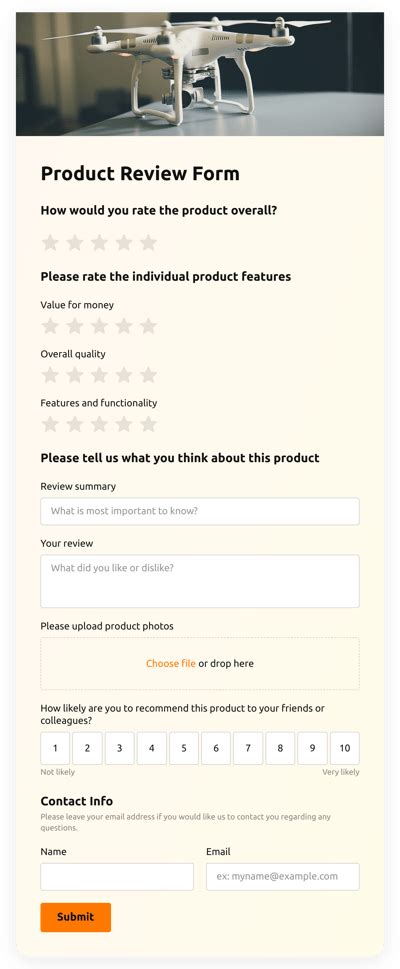
- Keep it user-friendly: While detailed, the review process should not feel cumbersome. Use clear language and logical flow.

Conclusion
Optimizing review prompts for premium design and material artistry is not merely about gathering more reviews; it’s about cultivating a deeper connection between the brand and its discerning clientele. By guiding customers to articulate their appreciation for the intricate details, exceptional materials, and meticulous craftsmanship, brands can unlock invaluable insights. This not only enriches the customer feedback loop but also provides potent, authentic narratives that resonate deeply with potential buyers who seek products of true distinction and enduring value.