Pro Artist Portfolio: Best curation for elegance & defining unique artistry?
Beyond the Brushstroke: Crafting Your Signature Portfolio
For the professional artist, a portfolio is far more than a collection of works; it’s a strategic narrative, a visual resumé, and the quintessential statement of your artistic identity. In a competitive creative landscape, the key to standing out lies in masterful curation, an elegant presentation, and a crystal-clear articulation of what makes your artistry uniquely yours. This guide delves into the nuances of building a portfolio that not only showcases your skill but also tells a compelling story, inviting viewers into your distinct creative world.

Defining Your Unique Artistic Voice
Before you even think about selecting pieces, pause to understand your artistic core. What themes consistently emerge in your work? What techniques are you known for? What emotional resonance do you aim to evoke? Your unique artistry isn’t just about what you create, but why and how. Reflect on your journey, your influences, and the message you wish to convey. This introspection forms the bedrock of a truly authentic and impactful portfolio. Your portfolio should act as a cohesive statement, demonstrating not just versatility but also a recognizable style that runs through your entire body of work.
Identifying Your Signature Elements
- Consistent Themes: Do you often explore nature, human emotion, abstract concepts, or social commentary?
- Distinctive Techniques: Are there particular mediums, brushwork styles, or digital processes that are uniquely yours?
- Emotional Impact: What feelings or thoughts do you consistently inspire in your audience?
- Narrative Arc: Does your body of work tell an ongoing story or explore a specific concept in depth?
The Art of Meticulous Curation: Less is More
The biggest mistake many artists make is including too much. A professional portfolio thrives on quality over quantity. Each piece you select must serve a purpose, contributing to the overall narrative of your unique artistic voice and demonstrating your highest level of skill. Aim for a concise collection – typically 10-20 pieces for a digital portfolio, fewer for a physical one – that represents the breadth and depth of your capabilities while maintaining aesthetic coherence.
Principles of Effective Curation:
- Select Your Strongest Work: Only include pieces you are truly proud of, showcasing your best technique and most developed ideas.
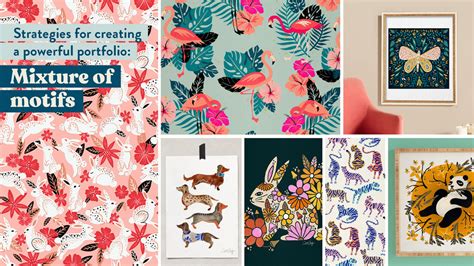
- Showcase Cohesion: While variety is good, ensure there’s a visual or thematic thread that links your chosen pieces, reinforcing your signature style.
- Consider the Viewer: Who is your target audience? (e.g., gallerists, collectors, art directors) Tailor your selection to their interests and expectations.
- Start and End Strong: Place your absolute best work at the beginning and end of the portfolio to make a powerful first and last impression.
Achieving Elegance in Presentation
Elegance in a portfolio transcends mere aesthetics; it speaks to professionalism, attention to detail, and respect for your craft. This means high-quality photography for your artwork, clean layouts, and a user experience that is intuitive and sophisticated.

Key Elements for an Elegant Presentation:
- High-Resolution Imagery: Invest in professional photography or high-quality scans of your physical works. For digital art, export at optimal resolutions.
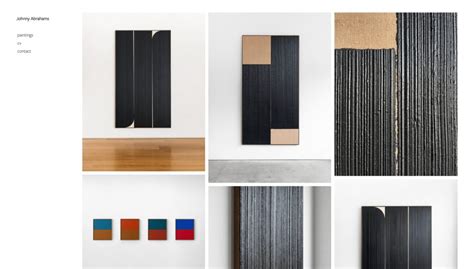
- Clean and Consistent Layout: Whether digital or physical, maintain a consistent aesthetic. Use ample negative space, clear fonts, and a restrained color palette that complements, rather than competes with, your art.
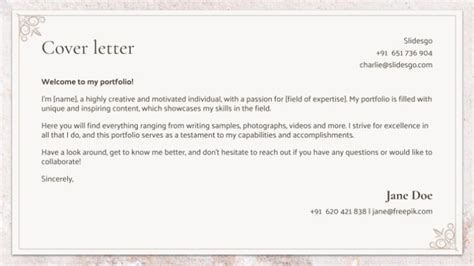
- Descriptive Labels & Statements: Each piece should be accompanied by relevant details (title, year, medium, dimensions). A concise artist statement and brief artwork descriptions can add valuable context.
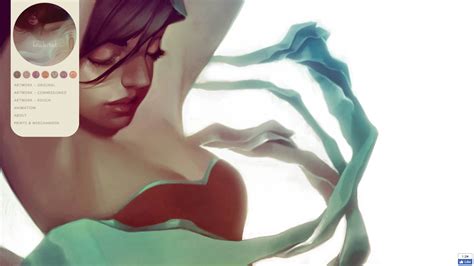
- Professional Platform: For digital portfolios, choose a reputable website builder (e.g., Squarespace, Adobe Portfolio) or an online art platform that offers clean, customizable templates.
The Digital vs. Physical Dilemma
Most professional artists now maintain both a robust online presence and a curated physical portfolio for specific in-person opportunities. Each format has its strengths and requires a slightly different approach.
Digital Portfolio Best Practices:
- User-Friendly Navigation: Ensure your website is easy to navigate, with clear categories and a logical flow.
- Mobile Responsiveness: Your site must look flawless on all devices.
- SEO Optimization: Use relevant keywords to help potential clients find your work online.
- Contact Information: Make it effortless for interested parties to reach you.
Physical Portfolio Best Practices:
- High-Quality Prints: If showcasing digital work, use archival-quality prints. For physical works, high-resolution photographs are essential.
- Professional Binders/Cases: Invest in a durable, elegant portfolio case that protects your work and makes a sophisticated statement.
- Organized & Accessible: Ensure pieces are easily viewable and can be presented without fuss.
Crafting Your Artist Statement and Bio
Your artist statement is the textual complement to your visual work. It should concisely explain your artistic philosophy, process, and the core themes you explore. An elegant portfolio always includes a compelling artist statement and a professional, updated artist biography.

- Artist Statement: Keep it concise (100-200 words), focused, and authentic. It should provide insight into your work without over-explaining.
- Artist Bio: A brief professional summary of your education, exhibitions, awards, and significant achievements. Tailor it to the context of the portfolio.
Conclusion: Your Portfolio as a Living Document
A professional artist portfolio is never truly ‘finished.’ It’s a dynamic, evolving representation of your artistic journey. Regularly review, refine, and update your selection to reflect your latest growth and strongest works. By committing to thoughtful curation, elegant presentation, and a clear articulation of your unique artistry, your portfolio will not just open doors, but boldly announce your presence in the art world.