



Pro Artist Portfolio: How to refine selection for enhanced elegance & impact?

The Crucial Art of Portfolio Selection
For professional artists, a portfolio is far more than a mere collection of work; it’s a meticulously crafted narrative, a silent advocate for your unique vision and skill. The difference between a good portfolio and a truly impactful one often lies not in the quantity of work, but in the precision of its selection. Refining your portfolio for enhanced elegance and impact means understanding that every piece must serve a purpose, speaking to your strengths and resonating with your target audience.
This guide will walk you through the strategic process of curating your professional art portfolio, transforming it from a simple showcase into a powerful statement of your artistic identity and capability.
Define Your Purpose and Audience
Before you begin culling or adding, clarify your portfolio’s primary objective. Are you seeking gallery representation, commissions, teaching positions, or commercial illustration work? Each goal necessitates a different strategic approach. Similarly, identify your ideal audience. A gallerist might look for conceptual depth and technical mastery, while a commercial client may prioritize versatility and a specific aesthetic. Tailoring your selection to align with your purpose and audience is the first step towards a highly effective portfolio.

Embrace the Power of Curation: Less is More
One of the most common pitfalls artists face is including too many pieces. An overwhelming portfolio dilutes your message and can signal a lack of confidence in your best work. Instead, adopt a ‘less is more’ philosophy. Select only your absolute strongest, most representative pieces—typically 10-20 works for a core portfolio, with variations for specific applications. Each piece should be a ‘hero’ work, impeccably executed and reflective of your current artistic direction and highest standards.
Focus on quality over quantity. If a piece doesn’t meet your highest technical and conceptual standards, or if it doesn’t align with your portfolio’s defined purpose, it doesn’t belong. Be ruthless in your editing; a single weak piece can undermine the perceived quality of the entire collection.
Curate for Cohesion and Narrative Flow
An impactful portfolio isn’t just a collection of great individual pieces; it’s a cohesive body of work that tells a story. Look for thematic, aesthetic, or conceptual threads that connect your chosen works. Do they showcase a consistent style, explore a particular subject matter, or demonstrate an evolution of ideas? Arrange your pieces in a logical sequence that creates a natural flow, perhaps starting with a strong impactful piece, moving through variations, and concluding with another memorable work.
Consider the ‘journey’ you want to take your viewer on. This narrative approach not only makes your portfolio more engaging but also demonstrates your ability to develop a sustained body of work, a highly valued trait in the professional art world.

Seek Objective Feedback
It’s challenging to be objective about your own work. Once you’ve made a preliminary selection, seek feedback from trusted peers, mentors, art professionals, or even your target audience if possible. Ask specific questions: What is the overall impression? Which pieces stand out (positively and negatively)? Is the message clear? Are there any redundant pieces?
Be open to constructive criticism. While the final decision is always yours, external perspectives can reveal blind spots and provide invaluable insights into how your work is perceived by others, helping you further refine your selection for maximum impact.
Presentation Elevates Perception
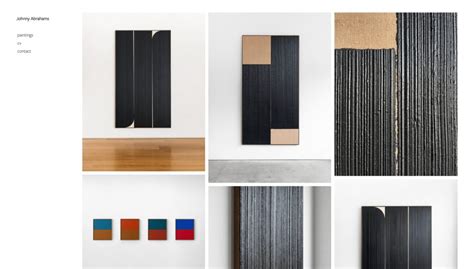
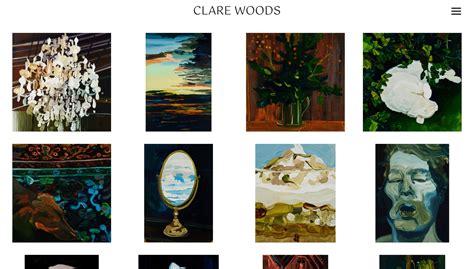
Even the most stunning art can be diminished by poor presentation. Ensure that your images are high-resolution, color-accurate, and professionally photographed or scanned. If presenting digitally, optimize files for web viewing, and use a clean, professional online platform. If physical, ensure prints are impeccably mounted and framed, or originals are presented cleanly.
Beyond the visuals, include concise, well-written descriptions for each piece, including title, medium, dimensions, and year. A brief artist statement and bio are also essential, providing context for your work and your professional background. The elegance of your presentation reflects your professionalism and respect for your own art.

Continual Review and Evolution
A professional portfolio is not a static entity; it’s a living document that evolves with your artistic practice. Regularly review your portfolio, perhaps once or twice a year, or after completing a significant body of new work. As your skills grow and your artistic voice matures, certain older pieces may no longer represent your current capabilities or direction.
Be prepared to cycle pieces in and out, always keeping your portfolio fresh, relevant, and aligned with your most recent and impactful work. This ongoing process of refinement ensures that your portfolio always makes the strongest possible statement.
Conclusion: Your Portfolio, Your Legacy
Refining your artist portfolio for enhanced elegance and impact is a strategic, thoughtful process that goes beyond simply gathering your best work. It involves critical self-assessment, clear goal setting, ruthless curation, and an understanding of narrative and presentation. By meticulously selecting and presenting your art, you don’t just showcase your talent; you articulate your artistic vision with confidence, professionalism, and undeniable impact, paving the way for new opportunities and solidifying your place in the art world.