


Pro Artist Portfolio: What visual curation creates *Artistry Enhanced, Elegance Defined* appeal?

The Strategic Art of Portfolio Curation
In the competitive realm of professional art, a portfolio is far more than a simple compilation of work; it’s a meticulously crafted narrative designed to captivate, impress, and communicate an artist’s unique vision and skill. The elusive ‘Artistry Enhanced, Elegance Defined’ appeal isn’t accidental; it’s the direct result of astute visual curation. This process transforms a mere collection of pieces into a powerful statement, showcasing not just what an artist creates, but who they are and the caliber of their contribution to the art world.
Beyond a Collection: The Power of Intentional Curation
Visual curation for a professional artist portfolio is about strategic selection, thoughtful arrangement, and a deep understanding of your audience. It involves making conscious decisions about which pieces to include, how to group them, and the order in which they appear, ensuring each element contributes to a cohesive and impactful experience. This intentionality helps potential clients, galleries, and collaborators quickly grasp your aesthetic, technical prowess, and professional ethos.
Artistry Enhanced: Showcasing Your Unique Voice
Quality Over Quantity
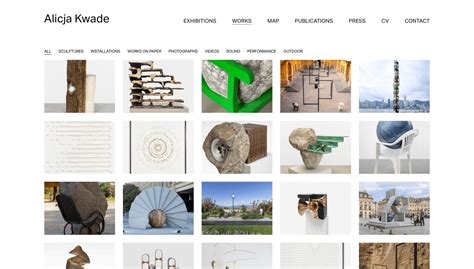
To enhance artistry, the first rule is ruthless selectivity. Include only your absolute best, most representative, and most relevant work. A smaller, impeccably curated selection of masterpieces will always outshine a vast, inconsistent archive. Each piece should speak volumes about your skill, creativity, and commitment to excellence.
Narrative and Progression
Arrange your work to tell a story. This could be a chronological journey demonstrating growth, a thematic grouping exploring a particular concept, or a progression that highlights your versatility within a specific style. A clear narrative helps viewers understand the depth and breadth of your artistic journey and capabilities.
Defining Your Signature Style
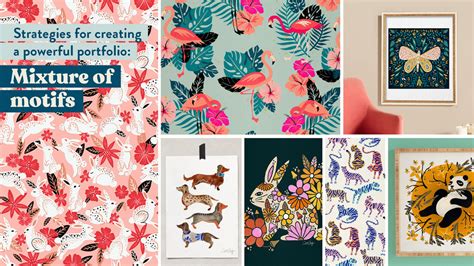
Your portfolio should unmistakably present your unique artistic fingerprint. While showing versatility is good, maintaining a cohesive thread – whether through consistent color palettes, recurring motifs, or a distinctive technique – reinforces your brand and helps define your signature style. This consistency builds recognition and trust.
Elegance Defined: The Presentation That Speaks Volumes
Cohesive Visual Flow
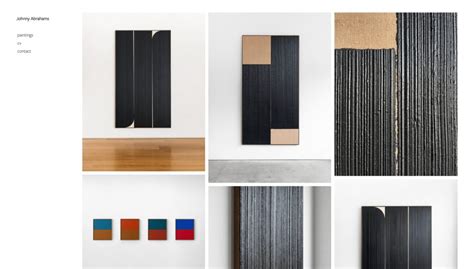
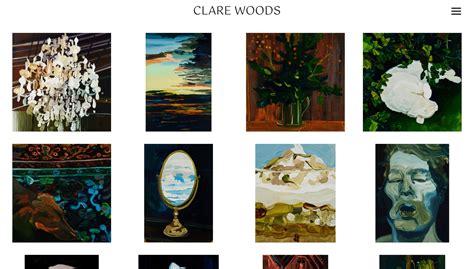
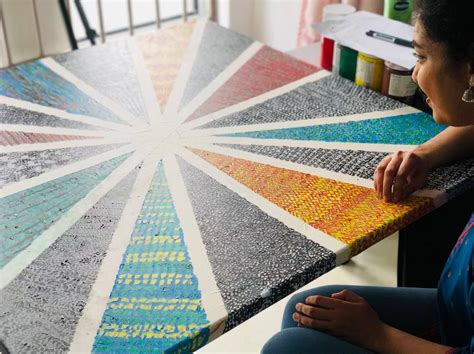
Elegance in a portfolio is deeply tied to its visual flow. Consider the spacing between pieces, the background, and the overall aesthetic. A clean, uncluttered presentation allows your art to breathe and prevents visual fatigue. Harmony in layout, even when showcasing diverse works, defines a professional and refined approach.
Professionalism in Presentation
Every element of your portfolio, from high-resolution images to clear, concise descriptions, must exude professionalism. Ensure consistent lighting in photographs of your work, accurate color reproduction, and well-written captions that provide context without overwhelming. A consistent branding across all platforms (online portfolio, physical book) further elevates this sense of elegance.

User Experience and Accessibility
An elegant portfolio is also an accessible one. For digital portfolios, ensure easy navigation, fast loading times, and mobile responsiveness. For physical portfolios, choose high-quality printing and binding. A seamless user experience reflects respect for the viewer’s time and attention, contributing significantly to a polished impression.
Practical Tips for Achieving Appeal
- Know Your Audience: Tailor your curation to the specific opportunities you’re pursuing. A portfolio for a gallery might differ from one for a commercial client.
- Seek Objective Feedback: Ask trusted peers or mentors to review your portfolio. Fresh eyes can spot inconsistencies or areas for improvement you might miss.
- Regularly Review and Update: Your artistic journey evolves, and so should your portfolio. Periodically remove older pieces and replace them with newer, stronger works.
- Tell Your Story: Include a concise artist statement that articulates your vision and process, adding a personal touch that enhances the viewer’s connection to your work.

Conclusion
The ‘Artistry Enhanced, Elegance Defined’ appeal in a pro artist portfolio isn’t merely about having great art; it’s about the deliberate, thoughtful process of visual curation that frames and elevates that art. By focusing on quality, narrative, stylistic cohesion, and impeccable presentation, artists can transform their portfolio into an irresistible magnet for opportunities, effectively communicating their unique brilliance and professional stature to the world.