

Pro Artist Portfolio: Which curation strategy best defines elegance & enhances artistry?

The Imperative of Thoughtful Curation in an Artist’s Portfolio
For professional artists, a portfolio is far more than a collection of work; it’s a meticulously crafted narrative, a silent advocate for their vision, skill, and unique artistic voice. In a competitive landscape, the way art is presented can be as crucial as the art itself. The choice of curation strategy fundamentally impacts how an artist’s work is perceived, defining its elegance and truly enhancing its inherent artistry. But with myriad approaches available, how does one select the strategy that resonates most profoundly?
The “Best Work Only” Approach: Precision and Impact
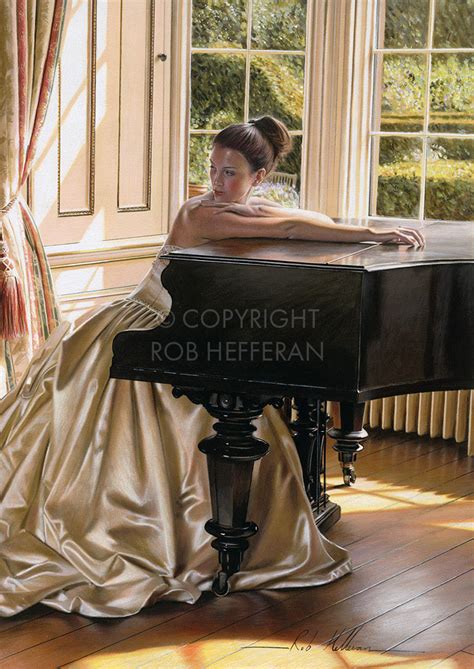
One of the most straightforward and often impactful strategies is to present only your absolute best, most representative, and strongest pieces. This approach prioritizes quality over quantity, aiming to create an immediate and undeniable impression of excellence. It demonstrates confidence and a keen eye for self-editing, ensuring that every piece contributes to a powerful, cohesive statement about your peak capabilities. This method is particularly effective when targeting specific opportunities where a quick, strong impression is vital, such as gallery submissions or high-stakes competitions.
Thematic Curation: Weaving a Narrative
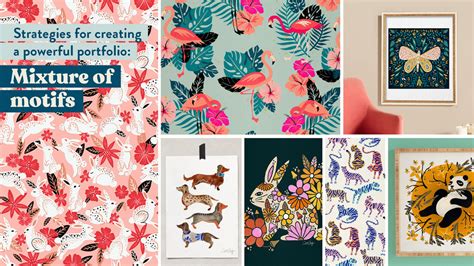
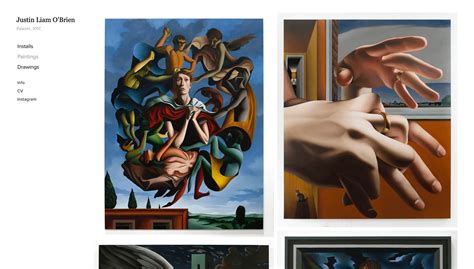
A thematic approach involves grouping artworks by common themes, concepts, techniques, or series. This strategy transforms a collection of individual pieces into a compelling visual narrative, allowing viewers to delve deeper into an artist’s intellectual and creative process. By highlighting recurring motifs or evolutions of an idea, thematic curation adds layers of meaning and sophistication, showcasing the artist’s ability to explore subjects in depth. It defines elegance through conceptual unity and reveals the depth of an artist’s thought process, making the portfolio feel like a curated exhibition rather than a mere compilation.
Evolution Through Time: The Chronological Perspective
While less common for a primary portfolio, a chronological presentation can serve a distinct purpose: demonstrating artistic growth and technical mastery over time. This approach is invaluable for showcasing a journey, particularly for educators, mentorship programs, or retrospectives where the development of an artist’s style and skill is a key point of interest. However, care must be taken to ensure that earlier works still meet a high standard, or are presented with contextual explanation, to avoid detracting from current peak performance.

Audience-Centric Curation: Tailoring Your Showcase
The most strategic portfolios are often those tailored to a specific audience or opportunity. Understanding who will be viewing your portfolio – be it a gallery owner, a potential client, an art director, or an academic committee – allows you to curate content that directly addresses their interests and requirements. This might mean selecting works from a particular series for a solo show submission, or showcasing commercial illustrations for a design agency. This targeted approach demonstrates professionalism and respect for the viewer’s time, enhancing the perceived elegance by presenting relevance and thoughtfulness.

Embracing Digital Elegance: The Online Portfolio
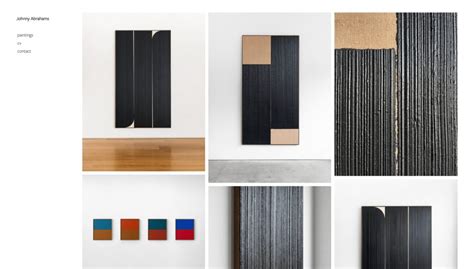
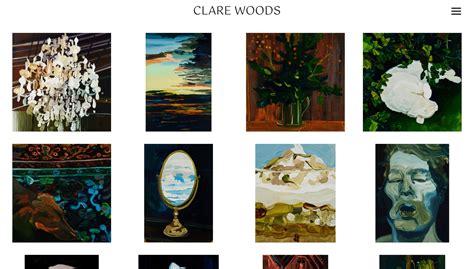
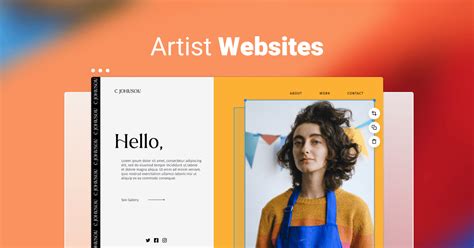
In the digital age, an online portfolio is indispensable. Here, curation extends beyond the artwork itself to include the user experience. A clean, intuitive layout, high-quality images, concise descriptions, and responsive design are paramount. The digital environment offers opportunities for interactive elements, videos, and process work that can further enhance artistry. Elegance in a digital portfolio is defined by seamless navigation, visual clarity, and a professional aesthetic that complements, rather than distracts from, the art.
The Hybrid Model: A Balanced Approach
Often, the most effective strategy is a hybrid approach. An artist might maintain a core “best work” portfolio for general inquiries, while simultaneously developing smaller, thematically focused or audience-specific collections. This allows for both broad appeal and targeted precision, offering flexibility without compromising the overall quality or impact. The elegance here lies in the intelligence of adaptation and the versatility of presentation, showcasing a truly professional and adaptable artist.
Ultimately, the best curation strategy is one that authentically reflects your artistic identity, clearly communicates your message, and anticipates the needs of your audience. By thoughtfully selecting, organizing, and presenting your work, you not only define elegance but profoundly enhance the very artistry you strive to share with the world.