



To enhance artistry, how do I curate my Pro Artist Portfolio for maximum impact and elegance?

The Cornerstone of Your Artistic Career
For any professional artist, a portfolio is far more than just a collection of works; it’s a meticulously curated narrative, a visual resume, and a powerful statement of your artistic identity. To truly enhance your artistry and stand out in a competitive world, your portfolio must embody both maximum impact and undeniable elegance. This guide will walk you through the essential steps to achieve just that, transforming your portfolio into a compelling showcase of your unique talent and vision.

Defining Your Artistic Voice and Niche
Before selecting a single piece, take time to reflect on your artistic identity. What defines your style? What messages do you convey? Who is your target audience – galleries, collectors, clients, or specific institutions? A cohesive portfolio stems from a clear understanding of your artistic voice and the niche you aim to occupy. Don’t try to be everything to everyone; instead, focus on showcasing the depth and consistency of your signature style. This clarity will guide your selection process and ensure every piece contributes to a unified artistic statement.
Selecting Your Masterpieces Wisely
This is arguably the most critical step. Quality over quantity is paramount. Include only your strongest, most representative pieces that align with your defined artistic voice and target audience. A good rule of thumb is to choose between 10-20 pieces for a digital portfolio, and fewer for a physical one if space is a constraint. Ensure diversity within your best work, demonstrating your range while maintaining consistency in quality. Consider including a progression of your work if it tells a compelling story of your artistic development, but always prioritize impact. Fresh, recent work often carries more weight, but timeless pieces that exemplify your core aesthetic should also be included.
The Power of Presentation: Layout and Aesthetics
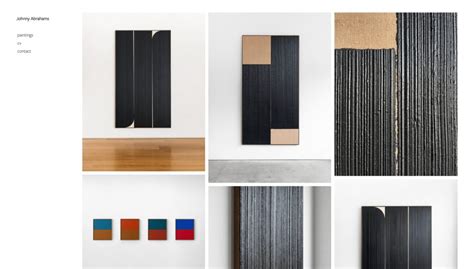
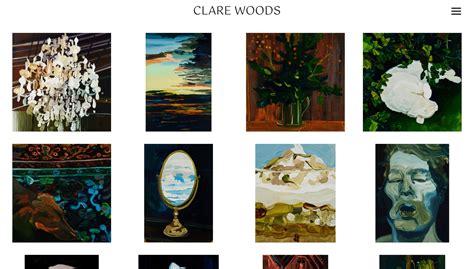
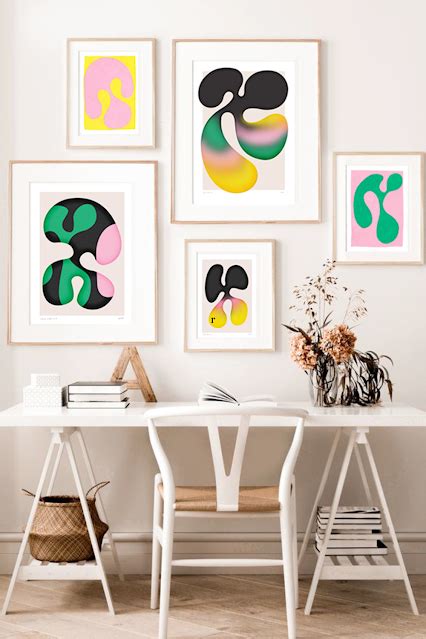
An impactful portfolio isn’t just about the art; it’s about the entire presentation. For digital portfolios, choose a clean, professional website or platform (e.g., Behance, ArtStation, a personal artist website) that allows your work to shine without distractions. High-resolution images are non-negotiable, and ensure consistent lighting and framing for all photographs of your artwork. For physical portfolios, invest in high-quality prints or original works, presented in a sleek, durable binder or case. The layout should be intuitive, guiding the viewer’s eye smoothly from one piece to the next. Consider the flow and pacing, ensuring there’s a visual rhythm to your presentation. Elegant typography and a minimalist design aesthetic will elevate the perceived value of your work.
Crafting Compelling Narratives: Artist Statement and Project Descriptions
Your artwork speaks volumes, but a well-articulated narrative provides context and depth. Include a concise, compelling artist statement (150-250 words) that illuminates your artistic philosophy, influences, and thematic concerns. For each artwork or project, provide a brief, engaging description. This isn’t just a title and date; it’s an opportunity to share insights into your process, the inspiration behind the piece, the materials used, and any unique techniques. These narratives help viewers connect with your work on a deeper intellectual and emotional level, transforming a visual experience into a profound engagement.
Digital vs. Physical: Tailoring for Platforms
Understand the nuances between presenting your work digitally and physically. A digital portfolio offers accessibility and reach, making it crucial for online applications, social media, and wider dissemination. Optimize images for web viewing, ensure mobile responsiveness, and include clear contact information and social links. A physical portfolio, while less common for initial outreach, is invaluable for in-person meetings, gallery submissions, or art fairs. It allows for a tactile experience and showcases the true scale, texture, and detail of your work. Always have both versions ready, tailored to the specific demands of each platform and audience.

Regular Review and Refinement
Your artistic journey is continuous, and so too should be the evolution of your portfolio. Schedule regular reviews – quarterly or semi-annually – to assess your portfolio’s effectiveness. Are your current pieces still your strongest? Have you developed new techniques or themes that deserve inclusion? Solicit feedback from trusted mentors, peers, or art professionals. Be prepared to remove older pieces that no longer represent your current artistic prowess or direction. A dynamic, evolving portfolio demonstrates growth and commitment to your craft, ensuring it remains a powerful and relevant tool throughout your career.

Conclusion
Curating a pro artist portfolio for maximum impact and elegance is an art form in itself. It requires introspection, strategic selection, meticulous presentation, and compelling storytelling. By consistently honing your artistic voice, showcasing your masterpieces with intentional design, and providing rich context, you transform your portfolio from a mere collection into a potent statement of your artistry. Invest the time and thought into this crucial tool, and watch as it opens doors to new opportunities and elevates your professional standing.